The honest route in is not a course and it is not a better camera. It is second shooting eight to twelve weddings for someone established, then taking your first lead booking at $1,200 with a contract, backup gear, and a photographer on standby. Most people who make it do that inside 18 months. Most people who do not spent those 18 months buying equipment and posting on Instagram.
Weddings are the highest stakes work in the industry. There is no reshoot, the light is whatever the venue gives you, and someone will cry if you miss the first kiss. That is exactly why the path in runs through someone else's wedding before it runs through your own.
Second shoot before you lead, and treat it as the apprenticeship it is
Second shooting is the fastest way to learn the parts of a wedding day nobody can teach you in a classroom: how long a family group actually takes, what a dark church does to your autofocus, when to stop shooting and let a moment happen.
Getting hired is a specific process rather than a hope. Find photographers whose work you genuinely like within an hour's drive, look at whether they shoot with a second, and email in January or February when they are planning the season, not in June when they are drowning. Send five to ten images, say which weekends you are free, and say you will shoot to their brief rather than your portfolio.
Expect $200 to $400 a day starting out, rising to $500 once you are trusted. What to charge and how to get hired is worth reading before you send the first email, because the mistakes are consistent and avoidable. Two rules that get you rebooked: you do not post the images without permission, and you do not hand your card to a guest.
Buy the second body before you buy the better lens
The gear question has a boring answer. You need redundancy far more than you need resolution, because the failure that ends a wedding photography career is a camera dying at 2pm with no backup.
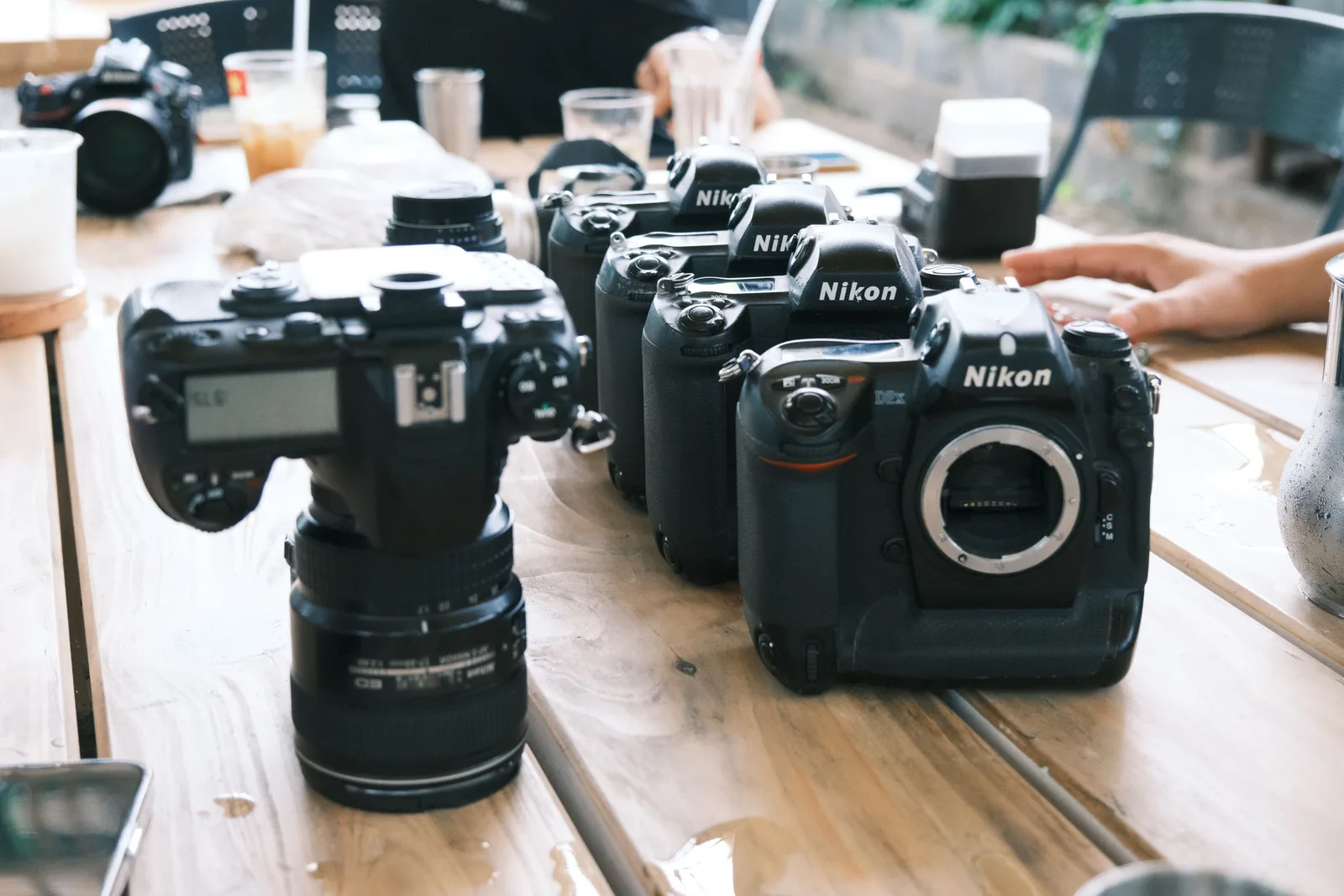
The genuine minimum for a paid lead booking:
- Two camera bodies, both with dual card slots, and the second can be older
- Two lenses that cover the day, realistically a 35mm and an 85mm, or a 24-70mm and a 70-200mm
- One flash you know how to bounce, and a spare
- Enough cards to never reformat during the day, and enough batteries to never count them
- Something to carry it all that lets you move fast
You do not need a tilt shift, a medium format body, or a prime at every focal length. If you have one body and a kit lens, the next purchase is the second body. Which lenses to buy first is worth thinking through once, then leaving alone for two years.
Build a portfolio that looks like a wedding day
Nobody books a wedding photographer from ten nice portraits. Couples are looking for evidence you can handle their day, which means the portfolio has to show the day: getting ready, the ceremony in bad light, the group shots done efficiently, the speeches, the dance floor at night.
If you have not shot a wedding yet, the gaps are fillable, and the method is the same one behind building a portfolio without clients. Styled shoots get a bad name and they are genuinely useful for one thing, which is proving you can light and pose two people. Photograph friends' engagements for free, and shoot one full wedding as a second where the lead lets you use the images. That is enough for a first portfolio.
What kills early portfolios is inconsistency. Twelve images that look like one photographer beats forty that look like a stock library, which is the whole argument for settling on a look early.
Price your first lead wedding like a business, not an apology
The instinct is to shoot the first one free or for $400 to get the images. Resist it. Free clients are the most demanding clients you will ever have, because nothing was agreed and everything was assumed, and the images will not be better for the discount.
$1,200 to $1,800 is a defensible first lead price in most markets. That is enough to be taken seriously, low enough to win the booking against photographers with five years on you, and high enough that you can afford a second shooter. The full ladder of wedding pricing is worth reading before you quote, because the number you start at anchors everything for the next two years.
Be straightforward that you are early in your career and be specific about what they get. Couples booking at that price already know. What they want to hear is that you have a contract, insurance, backup bodies and a plan.
Sort the boring things before the first booking, not after
The things that separate a professional from someone with a camera are all unglamorous and all take one afternoon:
- A contract. Coverage hours, deposit, cancellation, what happens if you are ill, image licence, liability capped at the fee paid. Cover the clauses that matter and get it signed before the date is held.
- Insurance. Public liability is required by most venues before they will let you through the door, and equipment cover pays for the body that gets knocked off a pew. What you actually need is cheaper than people expect.
- A backup plan. Another photographer who will cover your date if you are in hospital. Agree it with a real person, not in theory.
- A backup workflow. Cards never formatted until files exist in two places, one of them off site. The workflow that will not lose a client's memories is the one part of this article with no room for improvisation.
Learn the day, not just the camera
The skill that gets you rebooked is not exposure. It is running a day: knowing that the family group shots take 25 minutes for eight combinations, that golden hour portraits need to be stolen from the middle of the reception, that the speeches will overrun by 20 minutes and eat the light you planned for.
Build the timeline with the couple six weeks out rather than reading theirs on the morning. A timeline that actually works and a family photo list agreed in advance are the two documents that turn a chaotic day into a manageable one, and both are things a nervous first-timer can do exceptionally well.
Book the next one before you deliver the last one
The first wedding is the hardest to get and the second is the easiest, because you now have a real gallery, a real testimonial, and guests who watched you work. Ask for the review while the couple are still excited, send the gallery faster than you promised, and tell the venue coordinator and the planner you enjoyed working there. Wedding work compounds through referrals more than through any advertising you could buy.
Deliver it properly, too. The gallery is the only part of your work most guests will ever see, and a fast, clean, downloadable gallery with your name on it does more for the next booking than another Instagram post will. That is the point at which having the contract, the booking, and the delivery in one place stops being a nice idea and starts saving you a weekday evening every week.