You had the shoot, it went well, and now you are refreshing your inbox. The honest answer for most photographers is one to three weeks for a portrait or family session, four to eight weeks for a wedding, and twenty four to forty eight hours for real estate. Anything inside those ranges is normal, not neglect.
The useful question is not how long editing takes in general. It is what your photographer told you at booking, because that number is the one that counts, and most people never look at it until they are already anxious.
The normal ranges, by session type
These are the turnaround windows you will see quoted most often:
- Real estate and commercial: 24 to 48 hours. Listings are time sensitive and the editing is largely standardised.
- Headshots: a few days to a week, though the final retouch on your chosen frames can add a week after you pick.
- Family, couples, and portrait sessions: one to three weeks.
- Newborn: two to three weeks. Skin work is slow and careful.
- Events: one to two weeks.
- Weddings: four to eight weeks is standard, and eight to twelve is common for anyone shooting through peak season.
A photographer quoting six to eight weeks for a wedding is not slow. A photographer quoting six months without explaining why is worth a conversation before you book.
Editing is not one job, it is four
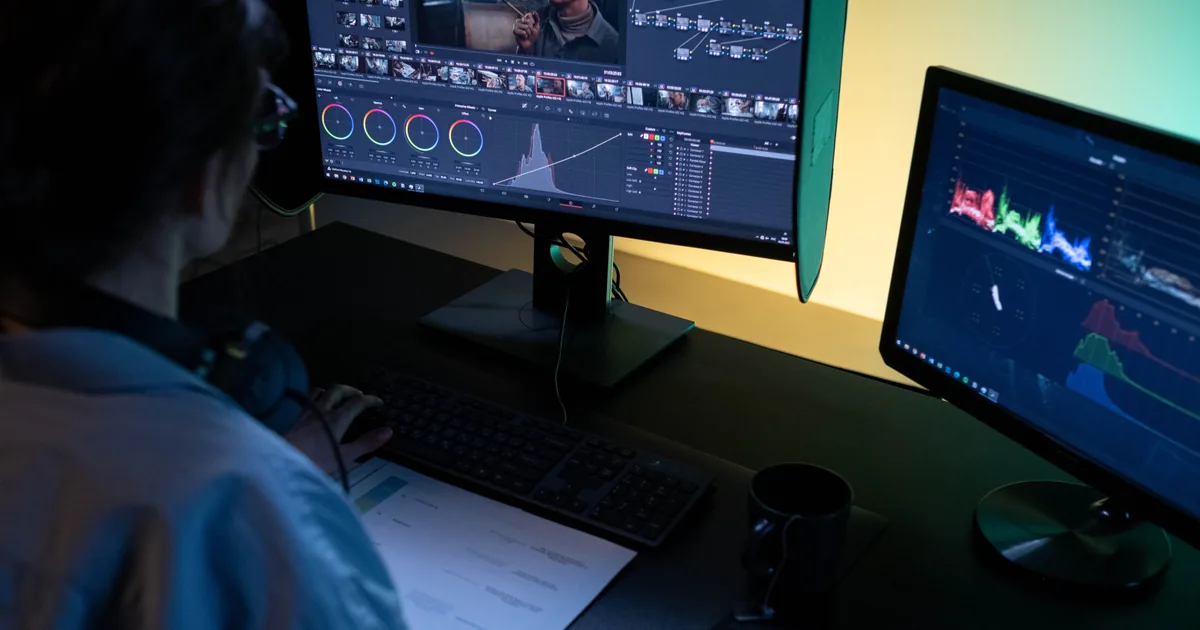
The phrase "editing the photos" hides most of the work. What is actually happening, in order:
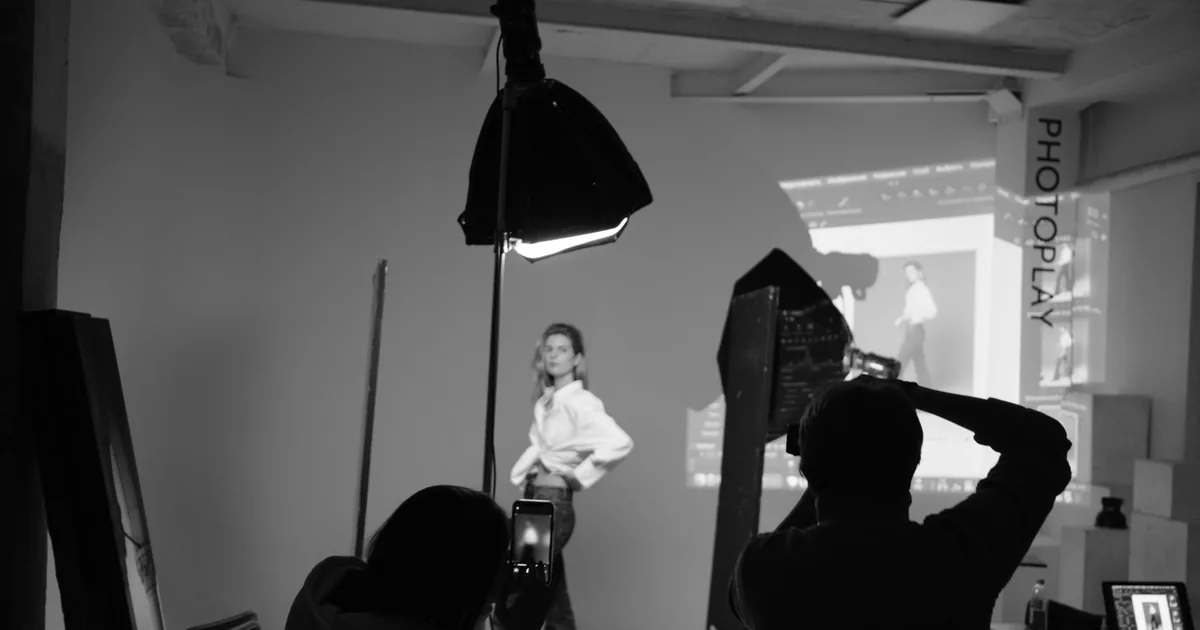
Culling comes first. A wedding day produces somewhere between three and five thousand frames, and someone has to look at every one to find the six or seven hundred worth keeping. That is hours of work before a single image is improved.
Then the base pass: exposure, white balance, straightening, and colour, applied image by image so that the ceremony, the reception, and the golden hour portraits look like one day rather than three. Even moving briskly, seven hundred photos is most of a working day at the screen.
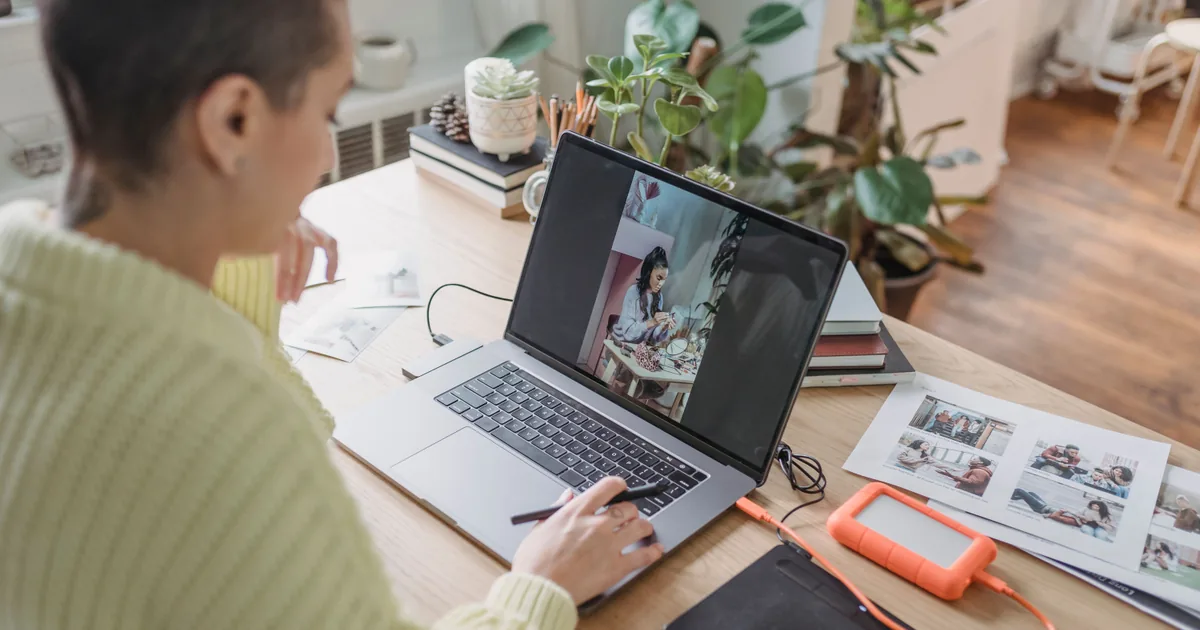
Then the detailed work. A hero shot for the album, a distracting exit sign, skin work on a close portrait: each of those is two to ten minutes, and they are the frames you will actually print.
Then export, quality check, upload, and building the gallery. Small, but not nothing, and it always lands on the day the photographer hoped to be finished.
Peak season is the real variable
The reason your friend got her photos in three weeks and you are on week seven is usually the calendar, not the effort.
Photography demand clusters hard between May and October. A photographer shooting weekends through that stretch is adding a new backlog every Saturday while trying to clear the last one midweek. If your wedding was in late September, you are behind four other couples who booked earlier in the run, and the queue clears in the order it arrived.
This is also why a January portrait session often comes back startlingly fast. Same photographer, same process, empty queue.
Sneak peeks, and how to ask for one
Most photographers post two to ten edited images within a few days, partly for you and partly because their own marketing depends on it. If nobody has offered, asking is completely reasonable: "Would you be able to send one or two favourites we could share this week?" is a normal request and almost always gets a yes.
What is not reasonable is treating the sneak peek as evidence that the rest are done. Ten finished images out of eight hundred is roughly one percent of the job.
When the wait has actually gone wrong
There is a real line, and it is not "longer than I hoped." Two things have to be true at once: the date in your contract has passed, and your messages are not being answered.
A photographer who is running late but replies with a date is having a bad season. A photographer who has gone quiet for three weeks is a different problem.
If you are past both marks, send one short factual email. Something like: "Our contract lists a six week turnaround and we are now at week eleven. Could you let me know a delivery date this week?" Keep it unemotional and put it in writing, on email rather than in a chat thread, because a written record is what makes any later step easier. Most of these resolve within a day, because the usual cause is overwhelm rather than anything worse.
Can you pay to get them faster?
Sometimes, and the timing of the question matters. Plenty of photographers offer a rush option at booking, typically a surcharge in the range of twenty to fifty percent, because it means rearranging a queue that other paying clients are sitting in.
Asking for a rush after the shoot lands very differently. If you genuinely need images by a date, say it before you book, get it written into the contract, and expect it to cost something.
What actually speeds things up on your side
Two things, and both are small.
If your photographer uses a proofing gallery where you choose which images get the final retouch, choose quickly and choose all at once. A shortlist that arrives in two days moves the job forward. One that arrives in three weeks in four separate messages does not, and it lands back at the bottom of the queue each time.
And when you have feedback, be specific and send it once. "Could numbers 14, 47, and 92 be a bit warmer" is a ten minute fix. "They feel a bit off, could you have another look at all of them" is another full pass and another two weeks.
If you are the photographer reading this
Quote a longer window than you need and beat it. A client told four weeks who receives them in three is delighted. A client told two weeks who receives them in three is drafting a complaint about the same set of photographs.
The other half is removing the back and forth from the middle of the job. When clients pick their favourites and leave notes directly in the gallery, which is how proofing in Xposure works, the shortlist arrives as a list of images rather than a spreadsheet of filenames three emails deep, and the retouch queue stops stalling on correspondence.
If the queue is still the bottleneck after that, the remaining lever is buying the hours back. What outsourced editing costs and when it pays is the honest version of that calculation, including the parts you should never hand over.
If you are the client, the practical version is short. Ask for the turnaround time before you book, get it in the contract, and note that the gallery you eventually receive has a closing date too. The wait is temporary. Not downloading the files when they finally arrive is the mistake that costs people their photos.