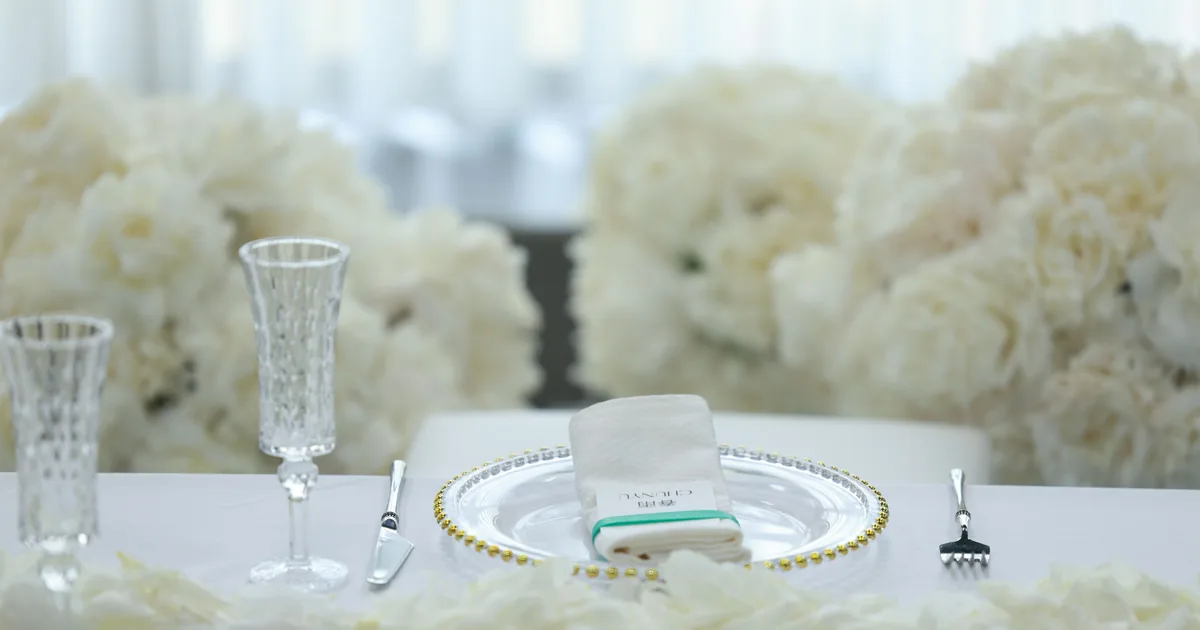
A styled shoot is a session you organise with a team of vendors to make portfolio images of a wedding, a brand or an event that has not actually happened. Planned well, it gives you, the florist, the planner and the venue images each of you can use to win the client you want next. Planned badly, it is a free day of work for eight people who end up arguing about who can post what.
The planning that matters is short: one concept tied to a real buyer, a written brief to vendors, models who look like that buyer, a credits list, and a usage agreement signed before the day. The styling itself is the easy part.
What is a styled shoot actually for?
Decide what the images have to prove before you pick a colour palette. "I can shoot a moody winter elopement in a castle" is a goal. "Something pretty with pampas grass" is not. The concept should describe a wedding or a session that a real client in your area would book next year, because the whole point is that someone in that position sees the images and thinks it could be them.
Styled shoots have a reputation for producing work nobody can afford: twelve thousand euros of florals on a budget a couple would never spend. That only hurts you if your enquiries come from people expecting the shoot to be their day. A concept built at a believable budget earns enquiries you can actually convert. If you are still filling a first portfolio, the wider method is in building a portfolio without clients; a styled shoot is one tool inside it, not a replacement for it.
How do you write the concept brief?
One page, in a shared document, that every vendor reads before they say yes:
- The concept in one sentence, plus the client it is aimed at.
- A mood board of 12 to 20 images, with a note on what to take from each ("this light", "this table height", not "this vibe").
- The palette, as three or four named colours.
- Date, location and a timetable, including access time and the hour you lose the light.
- The shot list, which is what a vendor is really agreeing to. A cake designer wants to know the cake gets six frames in clean light, not a cameo behind a bouquet.
- What each person contributes and what they get back.
The brief also tells you whether the concept survives contact with reality. If you cannot write the shot list, the idea is a mood, not a shoot.
Which vendors do you need, and how do you ask them?
For a wedding concept, the usual core is a venue, a florist, a dress or suit supplier, hair and makeup, a stationer and a cake or dessert maker. A planner is worth having if you can get one: they often bring half the other vendors with them, and they will run the timetable on the day so you can shoot.
Ask one vendor at a time, starting with the venue and the florist, because the rest follow when those two are confirmed. Send a short message with the brief attached, not a "would you be interested in collaborating" opener. Say what you need from them in hours and materials, the date, and exactly what they receive: "edited high resolution images of your work within three weeks, at least eight of them featuring your florals, credited by name on every post." Vendors have been burned by styled shoots that delivered four images six months late, and a concrete promise is what gets a yes.
If you are new to the local scene, the vendors you meet here become your referral network later, which is covered in networking as a photographer.
Should you use real couples or professional models?
Cast people who look like the clients you want, then make sure they can be directed. A real engaged couple brings genuine affection and usually shares the images widely. Professional models move better and turn up on time. Either works; two friends who do not like being touched does not.
Whoever you cast, get a signed model release from every recognisable person on the day, including the makeup artist who stepped into the frame to fix a veil. The release should cover use by the vendors as well as by you, since they will be posting the images too. What a model release must say has the detail. Book the hair and makeup slot for the models at least two hours before the first shot, and put it on the timetable.
What should the usage agreement say?
This is the document most styled shoots skip, and the source of most arguments afterwards. Keep it to a page and have every vendor accept it in writing before the day:
- Who owns the copyright (you do) and what licence each vendor gets: usually use on their own website and social accounts, with a photo credit.
- What they cannot do: use images in paid advertising, sell them, enter them in awards, or submit them to a publication themselves without your agreement.
- A posting embargo until you have tried to get the shoot published, with a date when it lifts regardless (six to eight weeks is common).
- Whether the shoot must be labelled as styled when vendors post it.
Paid advertising use is the clause vendors push back on, and it is worth holding. A florist running your image in an ad campaign is commercial licensing, which photography usage rights treats as a separate, paid conversation.
How do you get a styled shoot published?
Most wedding and lifestyle publications want images that have never been posted anywhere: not on your Instagram, not in a vendor's story, not as a sneak peek. That is why the embargo matters. Pick one target publication before the day, read its submission guidelines, and shoot to them. Many want a mix of vertical and horizontal frames, detail shots and wide scenes, and a minimum count somewhere between 30 and 80 images.
Submit to one publication at a time, wait for its stated reply window, then move to the next. When the embargo lifts with no acceptance, post the shoot yourself with full credits. A feature is a nice bonus; the portfolio images were the real return.
What should you deliver after the shoot?
Deliver to vendors on the date you promised, in one place, with a credits list at the top: every vendor's name, role, website and social handle, spelled the way they spell it. Copy that list into every post you make. Mark which images feature which vendor so nobody has to scroll 200 frames to find the cake.
Then ask each vendor one question a month later: did anyone enquire because of these images? The answer tells you whether the concept matched a real buyer, which is the only thing worth changing next time.
Write your one-sentence concept and the client it is aimed at today, and send the brief to a single venue this week. When the images are ready, deliver them in one PIN-protected gallery rather than a shared drive link that gets forwarded to people who never signed the usage agreement.