Real ranges first. A second shooter is paid $250 to $500 for the day. A photographer shooting their first few weddings as the lead charges $1,200 to $2,000. Once you have twenty weddings behind you and a portfolio that looks like one person made it, $2,500 to $4,000 is normal. Established photographers with a waiting list sit at $4,500 to $8,000, and the luxury end runs past $12,000.
Those numbers are not a ladder you climb by waiting. The jump from $1,500 to $3,000 is not about getting better at photography. It comes from booking enough weddings that you can afford to say no to the cheap ones, which is a maths problem before it is a confidence problem.
Work back from how many weddings you can actually shoot
A wedding is not one day of work. It is the enquiry, the call, the contract, the timeline planning, the venue visit if you do those, the day itself, the two days of culling and editing that follow, and the album ordering three months later. Twelve to sixteen hours of work per wedding on top of the shooting day is typical, and 25 to 30 hours total is common for a full day with a proper edit.
Now count the Saturdays. There are about 30 usable wedding Saturdays a year in most climates, and almost nobody shoots all of them. If you want to shoot 20 weddings and take home $50,000 before tax, you need $2,500 a wedding after costs. Add the costs back, meaning second shooter, insurance, gear replacement, gallery hosting, mileage, accounting, and you are at $3,100 to $3,300 as a package price.
That is the calculation that matters, and it is the same one behind pricing any photography work properly. Run your last three weddings through the effective hourly rate calculator with the honest hour count and you will usually find your rate is half what you assumed.
Price the day, not the hour
Clients ask for an hourly rate because it is the only unit they know. Answering in hours teaches them to shop you by the hour, and then to trim an hour off the end to save money, which is the hour the dance floor happens in.
Quote a package that covers a block of coverage instead. Eight hours, ten hours, full day. If someone genuinely needs two hours for a registry office ceremony, have a small elopement package at a real price, not a discounted version of your main one. The number people land on for that is $800 to $1,500 depending on market, and it should still include the travel, the edit, and the gallery.
When they ask "what is your hourly rate," the answer is a redirect:
Coverage is priced by the package rather than the hour, because the editing after the day is the same whether I am there for six hours or nine. The eight hour collection is $2,800 and covers ceremony through first dance.
What is inside the package decides the number
Two photographers quoting $3,000 can be selling completely different things. The line items that actually move the price:
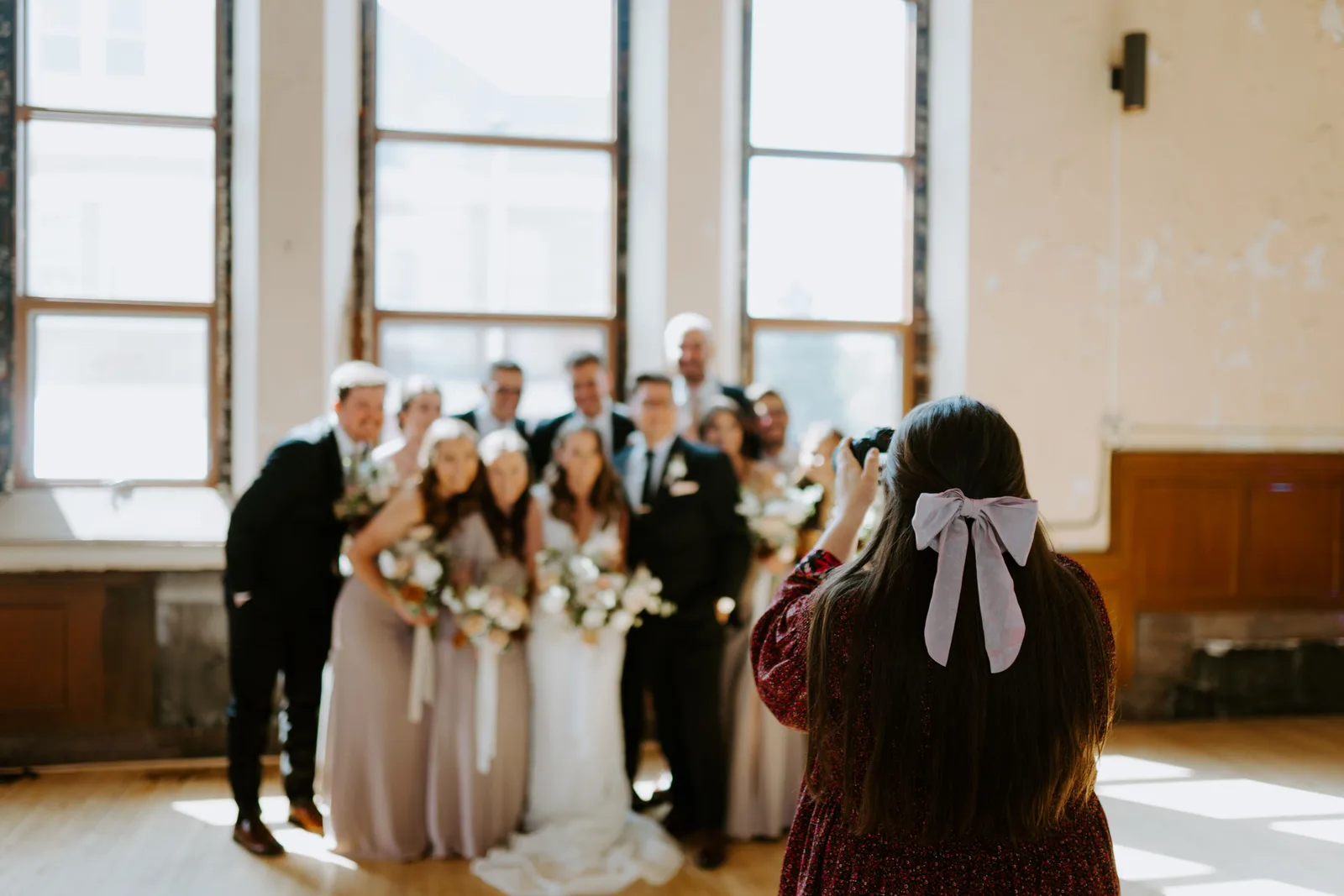
- Hours of coverage. Six, eight, ten, or two days for a multi-day wedding.
- Second shooter. Adds $350 to $600 to your cost and $600 to $900 to the price. Worth it above about 90 guests, and worth it any time the couple get ready in two different places.
- Delivered images. 400 to 800 for a full day is the honest range. Put a minimum in writing rather than a promise of "all the good ones," which is the same argument as delivery counts on any session.
- Turnaround. Six to eight weeks is standard, a two week rush is a 25 percent premium, and a same-week sneak peek of 20 images costs you nothing and buys enormous goodwill.
- Engagement session. Costs you three hours and is the single best upsell, because it is also the rehearsal that makes them comfortable on the day. Here is how much to charge for engagement photos when a couple books one on its own.
- Album. A 30 spread album costs $220 to $450 from a good lab and sells for $900 to $1,600.
- Travel. Anything past about 40 miles is a separate line, not absorbed, for all the reasons a travel fee exists.
Build three collections, not seven. Three is a decision. Seven is a spreadsheet they will take away and never come back from.
Anchor high, and let the middle package win
Put your strongest offering at the top and price it so it is genuinely better, not so it is obviously silly. The top package exists to make the middle one look reasonable, and roughly 60 percent of couples pick the middle.
A structure that works in most markets:
- Ceremony collection, six hours, one photographer, gallery, $2,200
- Full day, ten hours, second shooter, engagement session, gallery, $3,400
- Full weekend, two days, second shooter, engagement session, album, $5,200
The gap between the first two should be big enough to feel like a different product and small enough that upgrading is easy. $1,000 to $1,400 is about right. If everyone buys your cheapest package, it is priced too close to the next one.
The deposit is where the year is actually decided
A wedding photographer's real risk is not underpricing one wedding. It is holding a Saturday for eight months and then losing it in April.
Take 30 to 50 percent as a non-refundable retainer, take it before the date is held, and take the balance two to four weeks before the wedding rather than on the day, because nobody wants to talk about money at a wedding. The whole deposit and refund structure is worth writing down once and reusing, along with a cancellation policy that survives a postponement.
When they say you are too expensive
Most of the time they are not negotiating. They are telling you their budget and hoping you have something else. Do not discount your package, because the couple who paid full price three weeks ago will find out, and because a discount teaches you that your price was never real.
Take something out instead. Drop from ten hours to six, remove the second shooter, remove the album. The price falls and the value falls with it, which keeps your top number intact for the next enquiry. If there is nothing left to remove, refer them to a photographer two years behind you and ask for the same favour back. That referral relationship pays for itself within a season, the same way most photography referrals do.
Raise it on the same date every year
Set a date, review the numbers, put the price up. Ten percent a year is enough to stay ahead of costs, and the couples booking 14 months out will never notice because they only ever see one price list.
The trigger to raise faster is enquiries, not confidence. If you are booking more than about 70 percent of the couples who enquire, you are too cheap. A healthy wedding photographer turns down more weddings than they shoot, which is the whole argument for raising prices before you feel ready.
One practical thing that makes the higher price easier to defend: send the collections as a clean, linkable page rather than a PDF attachment. Couples forward it to parents, and a link that opens on a phone gets forwarded far more often than a 4MB attachment does. Build one with the free package builder, or let a platform that already knows your packages generate it, which is the kind of thing gallery and booking software built for photographers should be doing for you anyway.