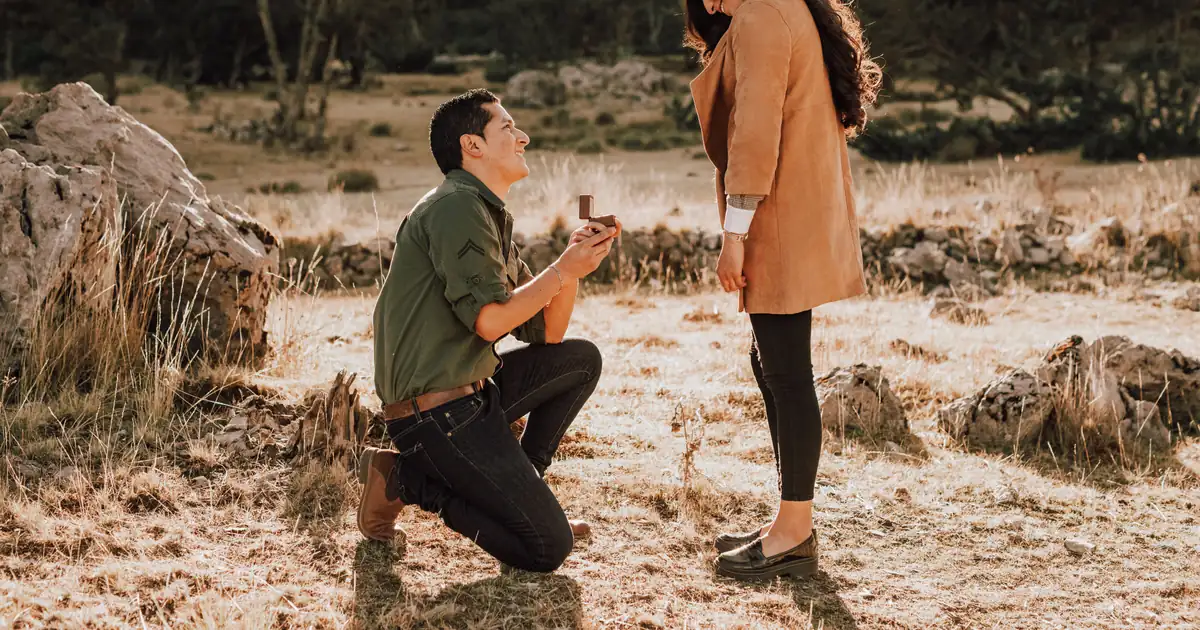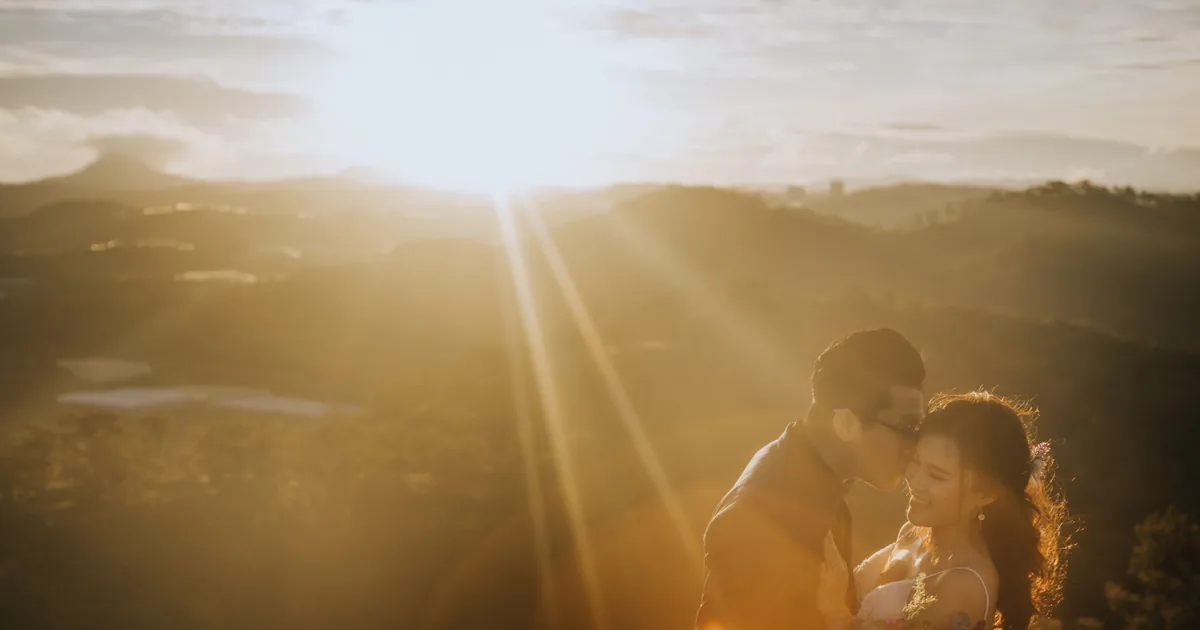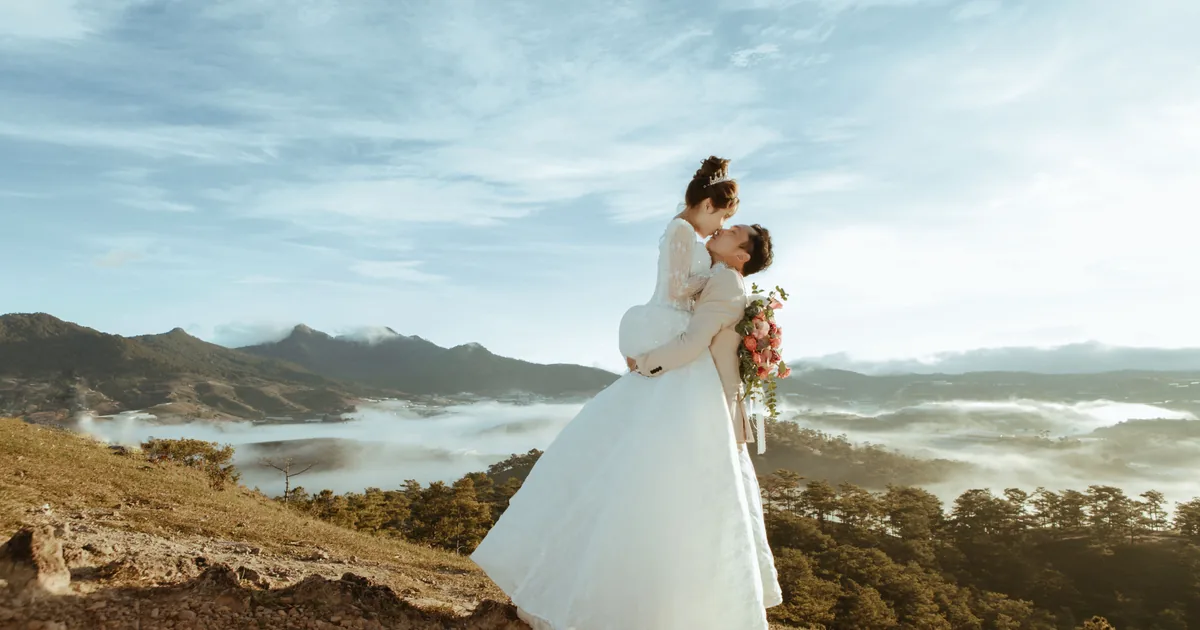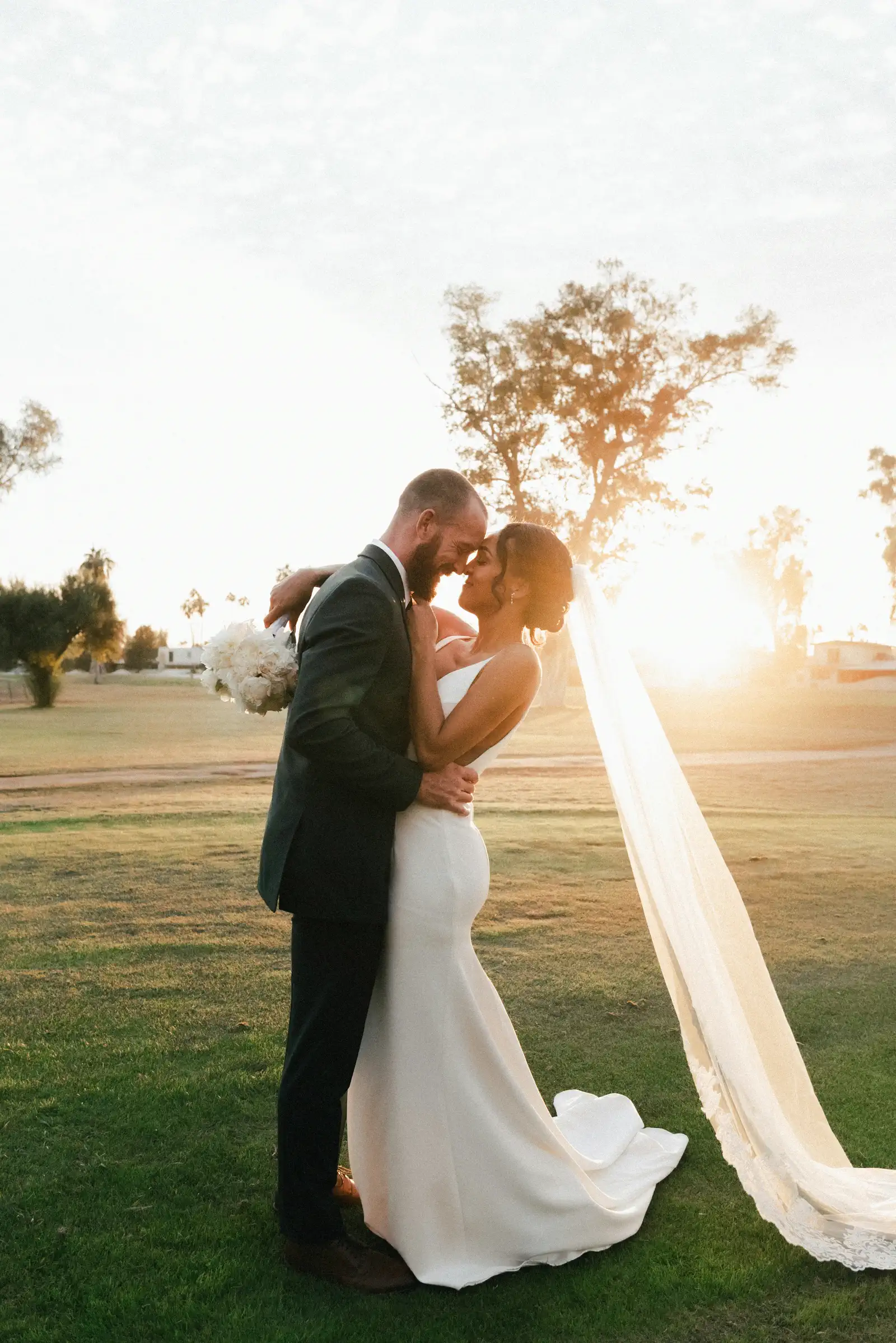
The wedding disasters photographers talk about at the bar are almost never about gear. They are about time. The ceremony started forty minutes late. Family photos ballooned to a headcount of forty relatives. The couple portraits got crushed into eight frantic minutes after the good light had already gone. None of that is a skill problem. It is a planning problem, and it lands on you even when it was never your fault.
The most useful thing you can hand a couple, more useful than any lens you own, is a timeline that holds up under a real day. Here is how the hours tend to break down, and where they tend to break.
Build backward from sunset
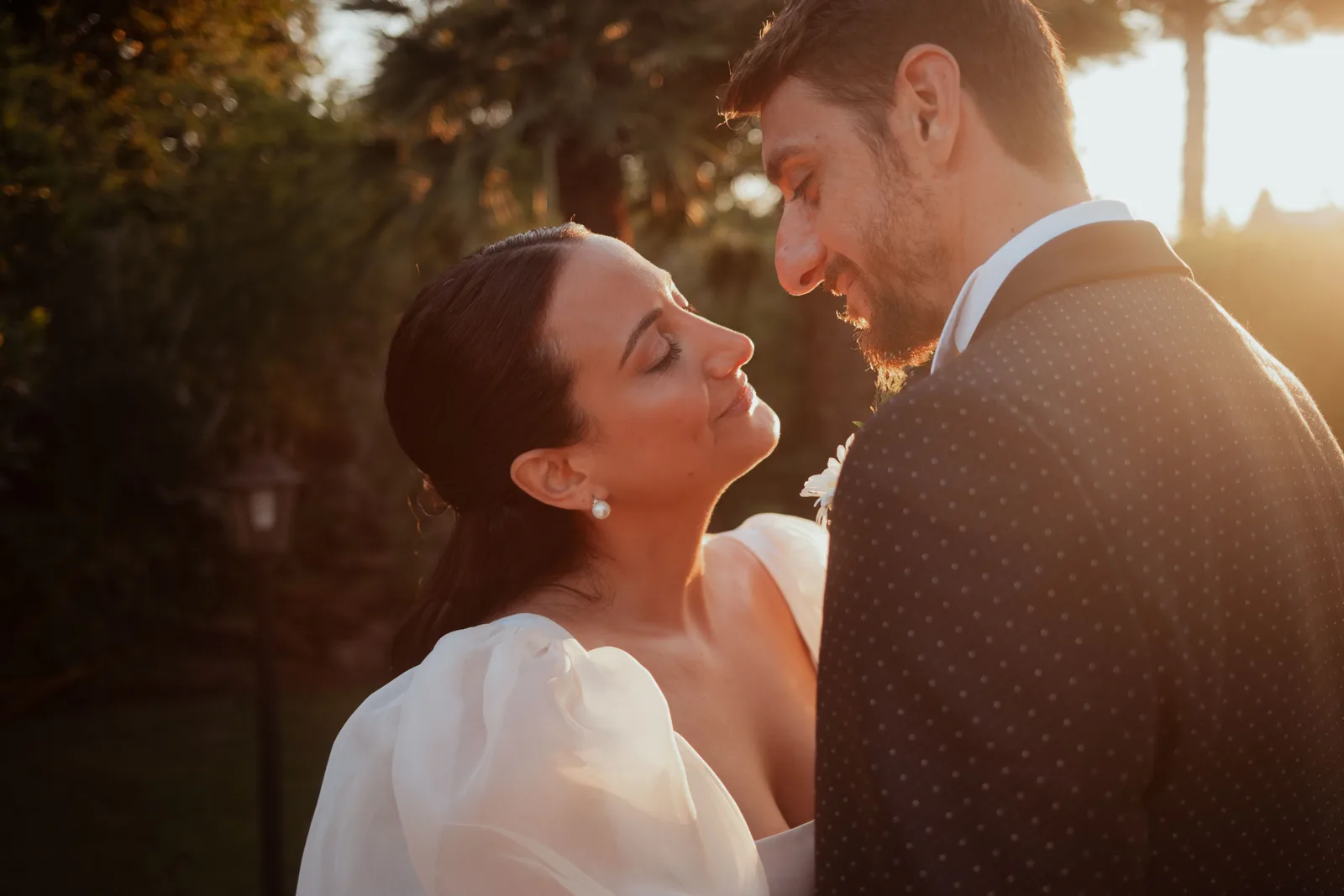
The best twenty to thirty minutes of light happen right before sunset, and that window does not move for anyone. So plan the day in reverse. Look up the exact sunset time for the date and the location, reserve the half hour before it for couple portraits, and schedule everything else working back from there.
Plan forward from the morning instead and every small delay, and there are always delays, rolls downhill into the one part of the day you most wanted to protect. Golden hour is the first thing a forward-planned schedule eats.
Give each block honest numbers
Couples underestimate how long everything takes, so your job is to give them figures that survive contact with the day. A working baseline looks like this:
- Getting ready: 60 to 90 minutes, arriving as hair and makeup wrap up.
- First look, if they want one: 20 to 30 minutes, and worth pushing for, because it settles nerves and buys back portrait time daylight would otherwise steal.
- Ceremony: anywhere from 20 minutes to an hour, set by the officiant, not you. A full mass runs long. A garden ceremony can be over in fifteen. Confirm it.
- Family photos: 30 to 45 minutes, and the reliable time sink of the whole day.
- Couple portraits: 30 to 45 minutes total, with the best slice saved for sunset.
Then add travel time honestly, parking and the slow walk of a long dress included, and add a little more on top. Nobody has ever complained that the timeline had too much slack.
The family photo list is where days die
Family portraits are the part that quietly devours an hour. Aunt wanders off, someone is in the bathroom, nobody knows they are meant to be in the next grouping, and you burn five minutes per missing person while the light drops.
Kill the problem before the day. Get the couple to write out every grouping in advance, by name, and hand a loud, organized relative the job of rounding people up. Work largest groups first, or grandparents first so the elderly are not left standing, and release people in waves as you go. Fifteen named groupings run smooth. An improvised free-for-all is thirty stressful minutes stolen straight from portraits.
Guard a golden hour escape
Even ten minutes, just the couple and you near sunset, produces the frames that end up printed on a wall. Put it in the schedule as a real block, not a maybe, and tell the couple in advance you will steal them from the reception when the light is right. It is often the calmest, most romantic stretch of their entire day, and it doubles as your insurance: everything else can be shot under any conditions, but that light cannot be recreated once it is gone.
Put the plan in everyone's hands
A timeline that lives only in your head helps no one. Write it out with clock times and send it to the couple, the planner, and the venue. When the planner knows portraits are at 6:40, dinner waits. When the couple knows family photos end at 4:15, Uncle Ben does not drift to the bar.
Couples remember how a day felt as much as how it looked, and the photographer who kept it calm is the one they recommend. Build backward from sunset, give every block real time, tame the family list early, and hold ten minutes back for the good light. Do those four things and a late start stops being a catastrophe and becomes a shrug.
Two things make the schedule hold on the day itself: a written family group list, which is the one part of a shot list that must exist on paper and has its own running order worth following, and a kit that handles a dark ceremony without a lens change, which is most of the argument about wedding lenses.