Public liability insurance for photographers pays out when someone is injured, or their property is damaged, because of you or your kit while you work. A guest walks into your light stand, a lens drops and cracks a client's table. It is the policy venues ask to see before they let you in, usually at £2 million to £5 million of cover in the UK, and a solo photographer typically pays around £60 to £150 a year for it.
It is one of three policies that matter. Professional indemnity covers you when the photographs themselves are the problem: lost files, a missed brief. Equipment cover protects your camera. In the United States the first is sold as general liability and the second as professional liability or errors and omissions. Same products, different words; this post uses the British names and gives US figures alongside.
The three policies at a glance
| Policy | US name | What it pays for | Who asks for it |
|---|---|---|---|
| Public liability | General liability | Injury to people, damage to their property | Venues, councils, corporate clients |
| Professional indemnity | Professional liability, E&O | Claims that your work caused a loss | Commercial clients, sometimes agencies |
| Equipment cover | Inland marine, equipment | Theft and accidental damage to your kit | Nobody; it protects you |
Do photographers need public liability insurance?
Legally, in the UK and most US states, no. Practically, if you are paid to photograph people anywhere other than your own studio, yes, and the reason is commercial rather than legal.
Venues demand it. Wedding venues, hotels, schools, hospitals, corporate offices and council-run buildings ask for a certificate rather than a promise, and some will turn you away at the door without one. That requirement, not the underlying risk, is what makes it the first policy to buy. The couple booked you six months ago; the venue coordinator does not care.
Ask your insurer for the certificate as a PDF, keep it on your phone and attach it to the booking. It gets requested on the day more often than you would expect.
How much cover do venues ask for?
In the UK, most wedding venues ask for at least £2 million, and larger estates, hotels and anything run by a local authority commonly ask for £5 million. The Royal Parks in London require £5 million minimum for wedding and portrait permits, and council permits for shoots in parks follow the same pattern.
In the US the standard ask is $1 million per occurrence and $2 million aggregate. Hotels, resorts and many wedding venues also want to be named as an additional insured for the event date, which extends your policy to cover them. Most insurers issue that certificate online in minutes, but check yours can before you sign a policy, because a venue will not accept a generic one.
If a venue states a figure, buy that figure. Going from £1 million to £5 million costs far less than the jump in cover suggests, because claims that reach the top of the limit are rare.
What does public liability insurance cost?
These are ranges for a solo photographer with no claims, gathered from UK and US insurer price data in 2026. Treat them as orientation, not a quote.
| Cover | UK, per year | US, per year |
|---|---|---|
| Public or general liability alone (£1m to £5m, or $1m/$2m) | £60 to £150 | $250 to $600 |
| Professional indemnity (£1m, or $1m) | £80 to £200 | $400 to $500 average |
| Equipment, £3,000 to £8,000 of kit | £100 to £180 | Varies with kit value |
| Combined policy (UK: liability, indemnity, kit to £10,000; US: liability plus property) | £150 to £400 | $400 to $600 |
The pattern holds in both countries: the first million of liability cover is the expensive part, extra limit is cheap, and on a combined policy the declared value of your equipment drives the premium more than anything else. Wedding and event work is priced higher than studio work because there are more strangers near your stands.
Photography-specific insurers and trade association memberships usually beat a general business broker on price and on understanding what the job involves. In the UK, several photography associations include or discount cover with membership, which is often the cheapest route in.
Do photographers need professional indemnity insurance?
Not legally, and clients rarely ask for it on a portrait booking. But it is the policy photographers skip and the one that covers the claim that can end a business: failing to deliver, losing the images, a copyright dispute, a breach of contract claim.
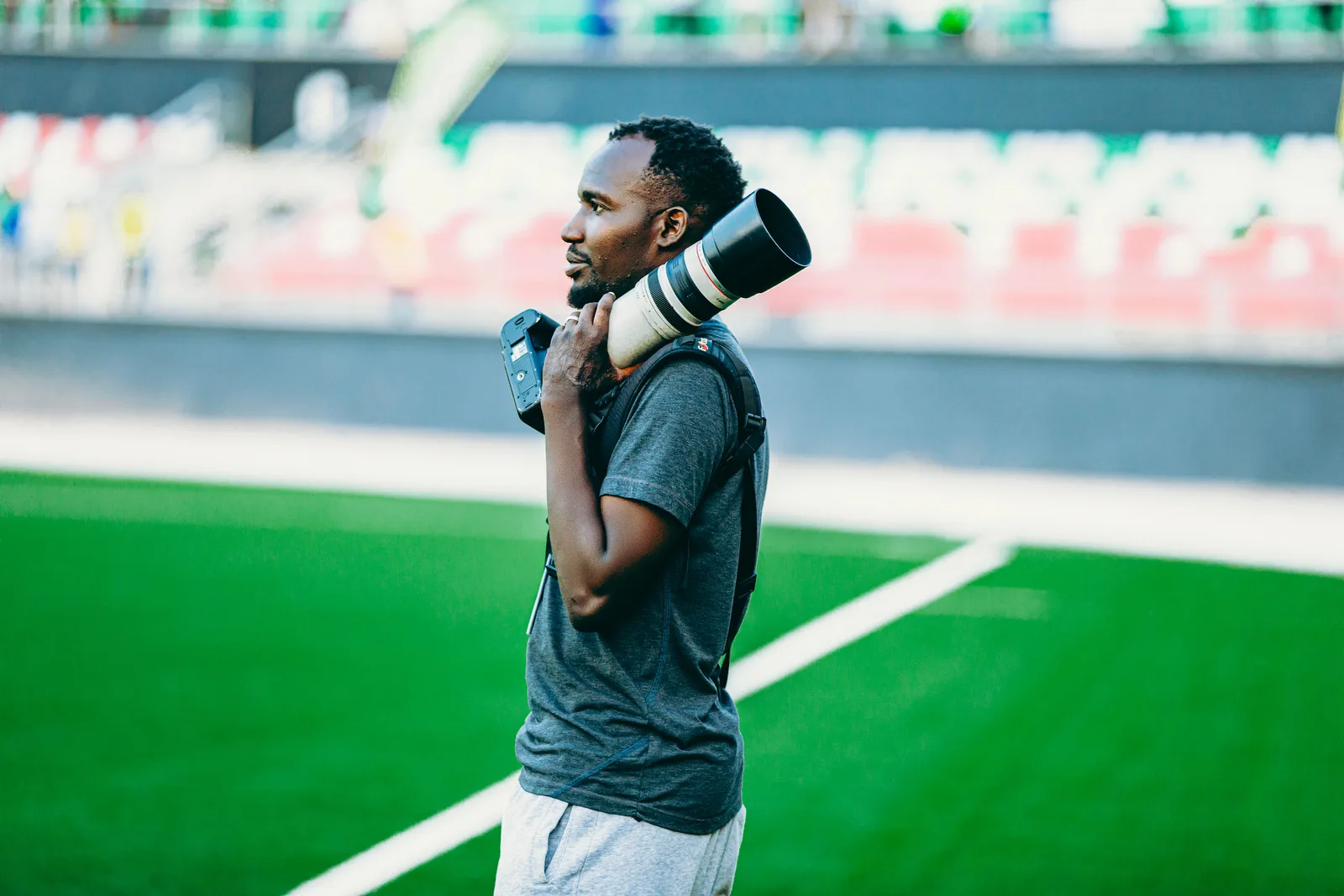
The scenario it exists for is the one every wedding photographer has nightmares about. The cards fail, the backup drive fails, and there are no photographs of a day that cannot happen again. A claim for the cost of the wedding, or for the distress caused, is not a theoretical risk in that situation. Commercial clients add another: a missed deadline that costs them a product launch.
Skippable while you shoot family portraits for cash; hard to justify skipping once you shoot weddings or work to a commercial brief. You reduce the likelihood with dual card slots and a backup routine that runs without you remembering, and you cover the residue with insurance and with a contract that limits your liability to a defined amount. Both parts matter, and the liability clause belongs in the contract before you need it.
Equipment cover, and the exclusion that matters
Your home contents policy almost certainly does not cover professional equipment used for paid work. Many photographers discover this after a claim is denied, and the reason given is that the use was commercial.
A specific equipment policy covers theft, accidental damage, and often hire cover so you can rent a replacement body the same week. What to check before buying:
- Is it covered away from home, including abroad, and up to what value?
- Is theft from a vehicle covered? Very often it is not, or only if the vehicle is locked, out of sight, and the theft involves forced entry. This is the single most common exclusion.
- Is unattended equipment covered? Usually not. A bag left at the edge of a reception is unattended.
- Is hired or borrowed gear included, if you rent lenses for particular jobs?
- New for old, or depreciated value?
Whether it is worth it is arithmetic. Add up the replacement cost of everything in your bag. If losing it would end your business, insure it. If you own one body and two lenses and could replace them from savings, self-insuring is a legitimate choice.
Is one day insurance worth it?
If you shoot two weddings a year, an annual policy can be poor value on paper. Most photography insurers sell short-term cover for a single event, and it produces the same certificate the venue is asking for. In the US, single event general liability starts at around $60; in the UK, one-off event cover starts at roughly £25 to £60.
Look at the annual price before you buy one, though. UK annual public liability for a photographer often costs not much more than two single-day policies, and it covers the portrait session in the park you forgot to insure. Day cover is the right product for a first paid booking, a one-off venue with a limit you do not normally carry, or a job abroad that your annual policy excludes.
The other cover worth a thought
Employer's liability. In the UK this is compulsory the moment you employ anyone, with at least £5 million of cover, and GOV.UK puts the fine at £2,500 for every day you are not insured. A regular second shooter can look like an employee rather than a subcontractor, so check how your arrangement is classified, because the working arrangement has consequences beyond the day rate.
Business interruption or illness cover. If you cannot work for three months, what happens? For a sole trader with no employer, this is a bigger practical risk than a stolen lens.
Practical steps
- Ask your three most frequent venues what limit they require, and whether they need to be named on the certificate.
- Get quotes from two photography-specific insurers, not a general business broker, at that limit.
- Check the vehicle theft and unattended equipment clauses before price.
- Save the certificate to your phone and send it to each venue before the day, not at the door.
- Re-value your equipment annually. Most photographers are underinsured by a lens or two after a couple of years of upgrades. The cost of starting a photography business breakdown has insurance alongside the rest of the first-year bill.
Insurance covers the claim; the contract decides how big it can get. A booking page that asks the client to sign your contract before they pay the deposit, as Xposure's does, means the liability clause is agreed on every job, not only the ones where you remembered to send the PDF.
This is general information rather than advice on any specific policy, and the products, names, and legal requirements differ significantly by country. Read the exclusions before the premium.