A proposal shoot is fifteen seconds of photography and two hours of logistics. There is no second take, the subject does not know you exist, and you are usually working in a public place where you cannot control anything except where you stand.
The good news is that almost every proposal that goes wrong goes wrong for the same three reasons: the photographer could not find them, the couple faced the wrong way, or the person proposing forgot the signal. All three are solved before you leave the house.
Pin the spot to within a few feet
"By the fountain in the park" is not a location. Fountains have four sides, and the person proposing will drift to whichever one they reach first, which is usually the one where the light is behind them and a bin is in frame.
Scout in person if you can, at the same time of day as the proposal, and pick the exact standing position. Then send the client three things:
- A photo of the spot, taken from where they will be standing
- A screenshot of a map with a pin, and an arrow showing which way to face
- The sentence "stand with the water on your left and the trees behind you"
Say it in terms of what they will see, not compass directions. Nobody knows which way north is while their heart is going.
Give them a fallback spot too, sixty seconds' walk away, in case a tour group or a wedding party has taken the first one. Agree the fallback in advance so a change of plan is a two word text rather than an improvisation.
Book the time for the light, and add a buffer
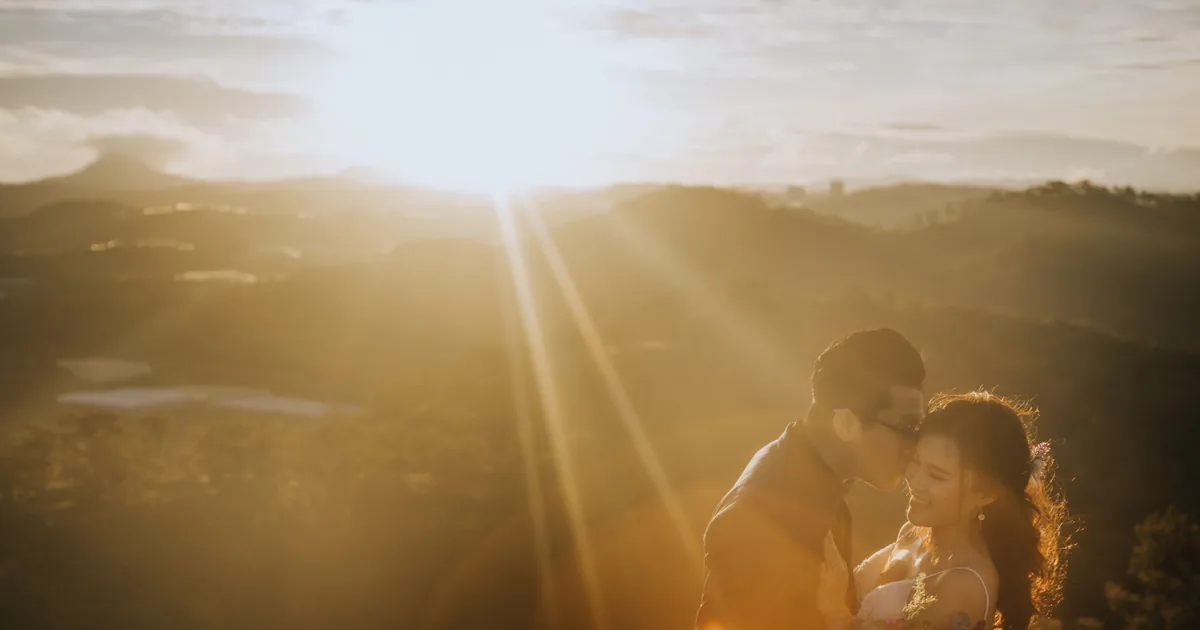
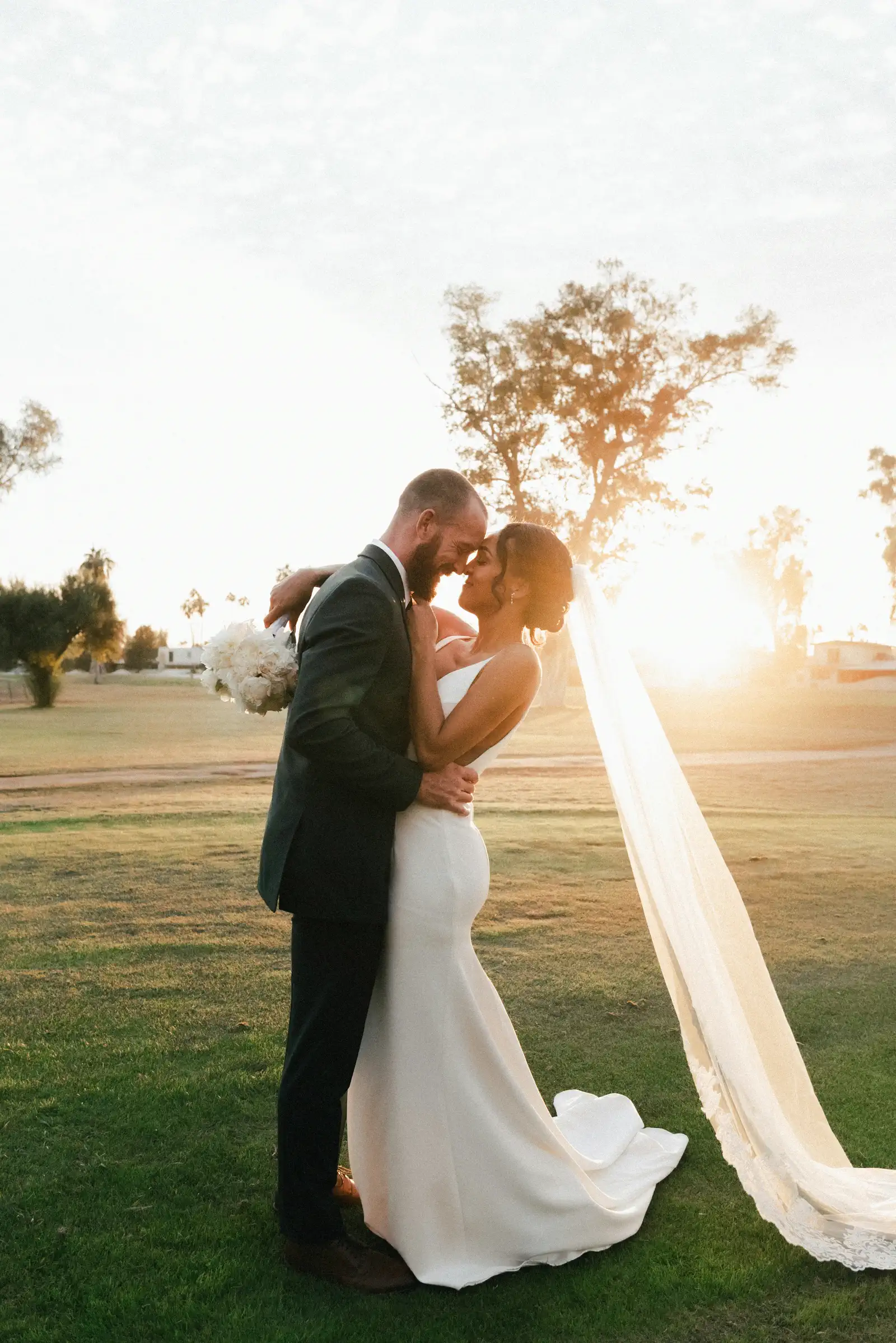
Late afternoon, roughly an hour before sunset, is the obvious choice and it is correct. Backlit at golden hour is forgiving, flattering, and hides the fact that you are shooting from forty feet away without any control over the background.
But add fifteen minutes of buffer on their side, not yours. Proposals run late. People get nervous, they walk slowly, they stop for a drink first. If you have told the client the light dies at 7:45, they will arrive at 7:44. Tell them the last workable moment is 7:20 and you will get them at 7:30 with light to spare.
Arrive 45 minutes early. Find your position, take test frames of a stranger standing where the couple will be, set your exposure, and then wait. This is the whole reason shooting into low sun is manageable here: you have already metered it.
Agree a signal that survives adrenaline
You need to know two things: that they have arrived, and that it is about to happen.
For arrival, get a photo of what the person proposing is wearing that morning, and their partner if possible. In a busy park you are looking for one couple among two hundred people, and "he'll be in a blue shirt" describes forty men.
For the moment itself, pick a physical signal that is invisible to the partner and impossible to forget. The one that works best is: take your phone out and put it in your other hand. Not a wave, not a nod at the photographer, not a phrase. Nerves erase anything complicated. Some photographers agree "when you hug her, I'm on", which has the advantage of being a thing they were going to do anyway.
Tell them explicitly: if you forget the signal, just do it anyway, I am already pointed at you. Removing the pressure to remember is what makes them remember.
Hide in plain sight
Do not hide behind a tree. You will look like you are hiding behind a tree, which draws more attention than standing in the open, and your sightline will be blocked at the moment it matters.
Dress like the location. A person with a camera in a park is invisible in a tourist city. Stand where any other visitor would stand, shoot other things while you wait so your body language matches everyone else's, and keep the long lens pointed slightly away until the moment starts.
The lens is what buys you distance: 70-200mm at f/2.8, or a 135mm prime, from 30 to 60 feet. That range means the partner never registers you as anything other than another tourist photographing the view. A 50mm forces you close enough to be noticed, which is the most common reason a surprise stops being one.
Keep a second body with a 35mm on your other shoulder for the portraits afterwards, because you will not have time to swap.
Shoot the whole arc, not the knee
The instinct is to fire during the kneel and stop when they hug. That gets you the least interesting frame and misses the two best ones.
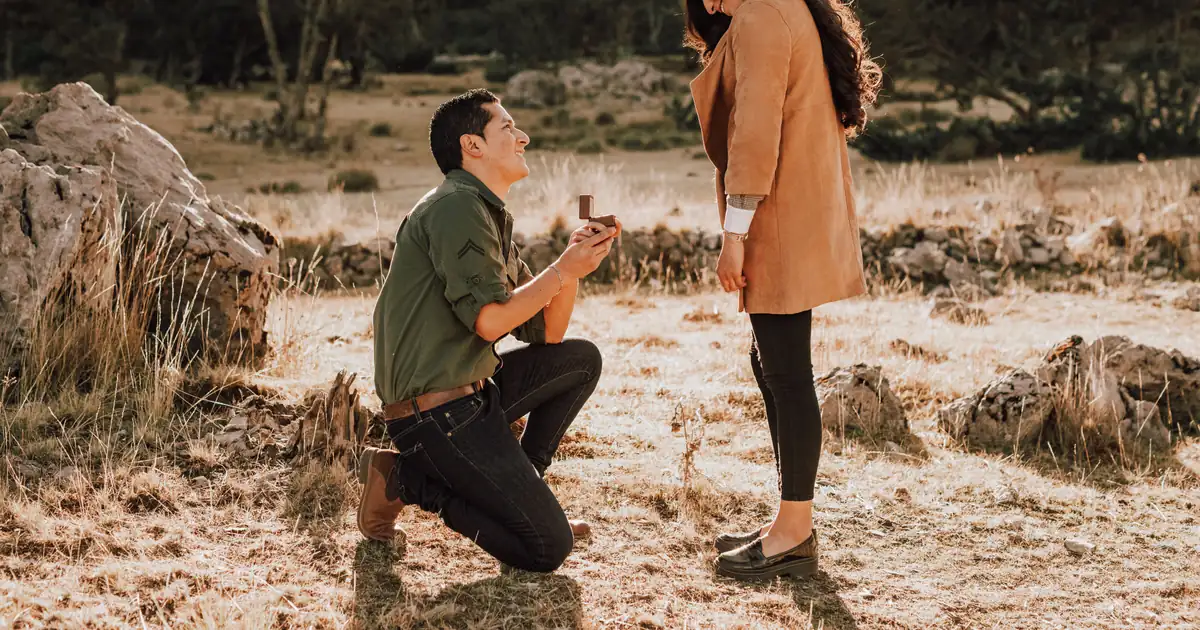
Start shooting as soon as they are in sight, walking towards the spot, before anything has happened. Keep shooting through the kneel, the reaction, the hands over the mouth, the ring going on, the hug, and the thirty seconds afterwards when they are laughing and slightly stunned. The face in the second after "yes" is the photograph people actually print, and it happens after most photographers have lowered the camera.
Settings: f/2.8, 1/500 or faster because both people are moving and you have one attempt, continuous autofocus with eye detection, and burst mode. Shoot far more than feels reasonable. This is not the moment to be economical with frames.
Shoot from the side rather than behind. Behind gets you a back and a stranger's face. At roughly 45 degrees you get both expressions, which is the entire point.
Then step forward and do the portraits
Give them a minute. Let them call their parents, let it land. Then walk over, introduce yourself properly, congratulate them, and offer fifteen minutes of portraits while they are still in the emotional state that makes portraits easy.
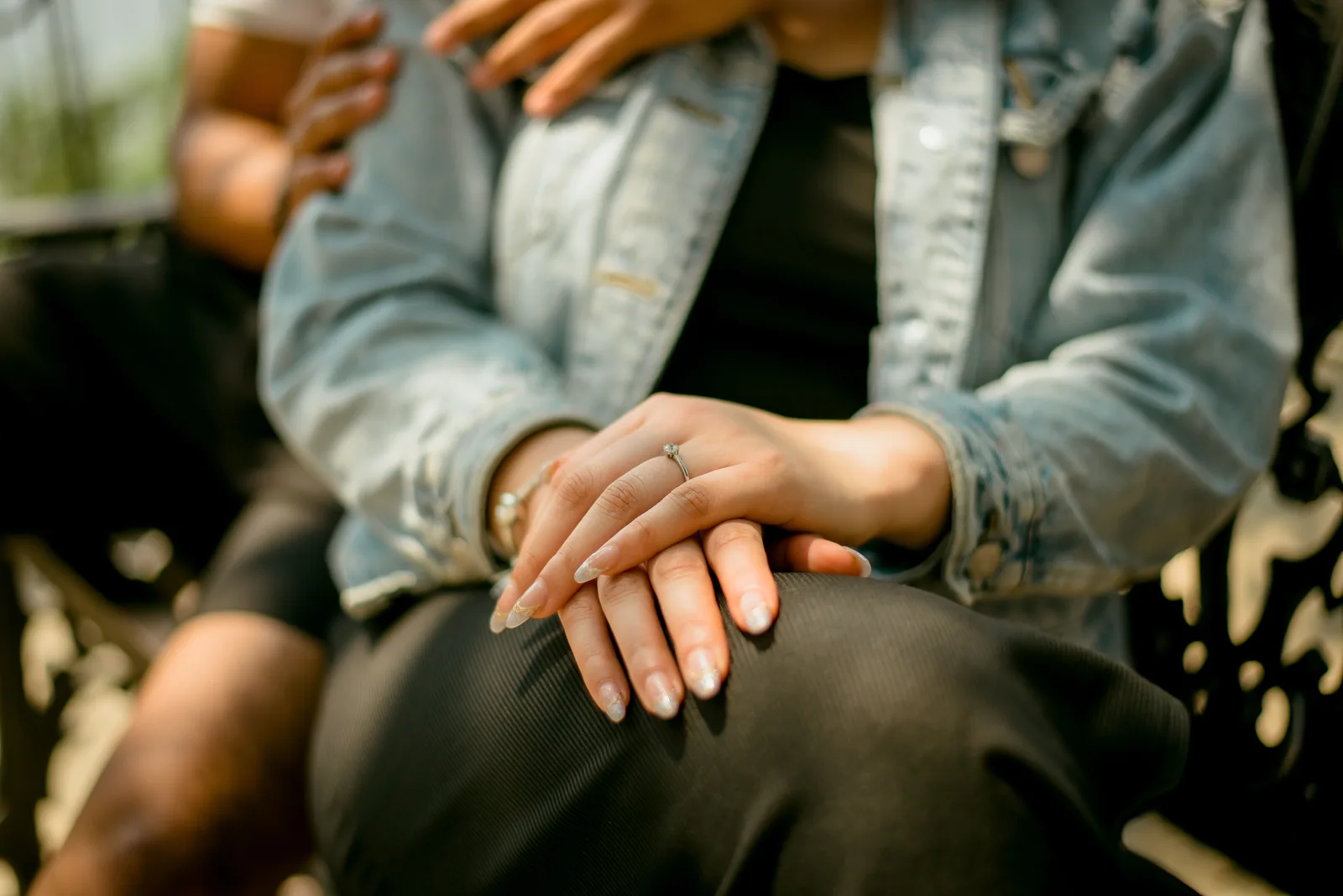
This is the easiest posing you will ever do, because the awkwardness that usually needs managing has been chemically removed. Ring detail on the hand, a walking shot, a few frames looking at each other. Twenty minutes at most, then leave them alone.
Get their email before you go, and take the ring shot properly rather than promising to do it later.
Price it as a session, not fifteen minutes
Proposal shoots typically run $250 to $600 for 30 to 60 minutes, and the price reflects the planning rather than the shooting: the scouting trip, the coordination, the waiting, and the fact that you cannot book anything else that evening.
Take payment up front, always. The person proposing is booking on behalf of someone who does not know the shoot exists, and chasing an invoice afterwards means emailing a couple in the middle of an engagement.
Two more practical points. Charge a full fee if they cancel inside 48 hours, because you have already scouted and blocked the evening. And deliver fast, in two or three days rather than three weeks: they are showing these to everyone they know that week, and a gallery link they can send to family straight away is worth more to them than a slow, perfect edit. A gallery with a guest PIN, as Xposure's have, means the whole family can look without the couple forwarding files around.
Proposal work also converts. A meaningful share of the couples you photograph this way will book their engagement session and then their wedding with you, because you were there for the first thirty seconds of it. Very few photographers actively market this, and the couples looking for it are searching right now.