Amsterdam is a compact city that photographs best in bad weather and at the two ends of the day. Flat grey light suits the brick, and wet cobbles double every light in the frame. If you have come for blue skies you have come for the wrong reason.
Here is the list, roughly walkable in the order given.
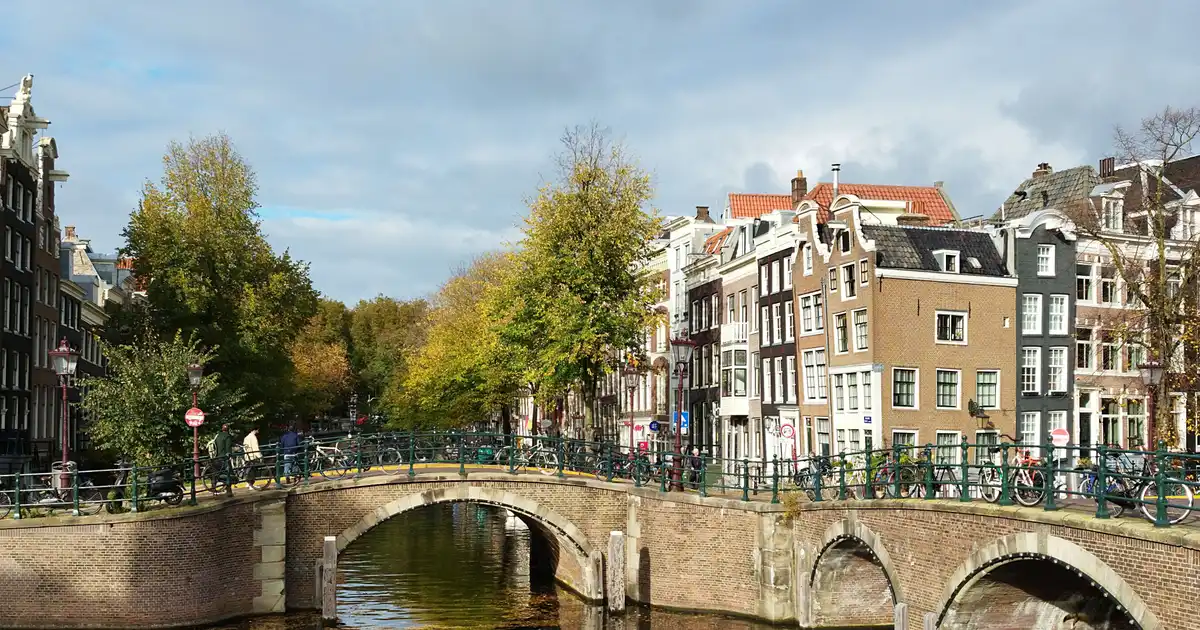
The Seven Bridges view, on Reguliersgracht
Stand on the bridge where Reguliersgracht meets Herengracht and look down the canal: seven arched bridges line up one behind the other. After dark, when the bridge lights are on and reflected in still water, it is the single best photograph in the city.
Blue hour, twenty to forty minutes after sunset, before the sky goes fully black. A tripod helps and this is one of the few places you genuinely need one.
Brouwersgracht, for the classic canal
Consistently voted the prettiest street in Amsterdam: houseboats, converted warehouses with shutters, and bridges at both ends. Early morning, when the water is still and the light is warm on the brick.
Papiermolensluis and the Prinsengracht bridges
The bridge outside the Westerkerk, with the church tower rising behind the canal, is the postcard frame of the Jordaan. Shoot from the bridge to the west with the tower slightly off centre and a boat coming through if you are lucky.
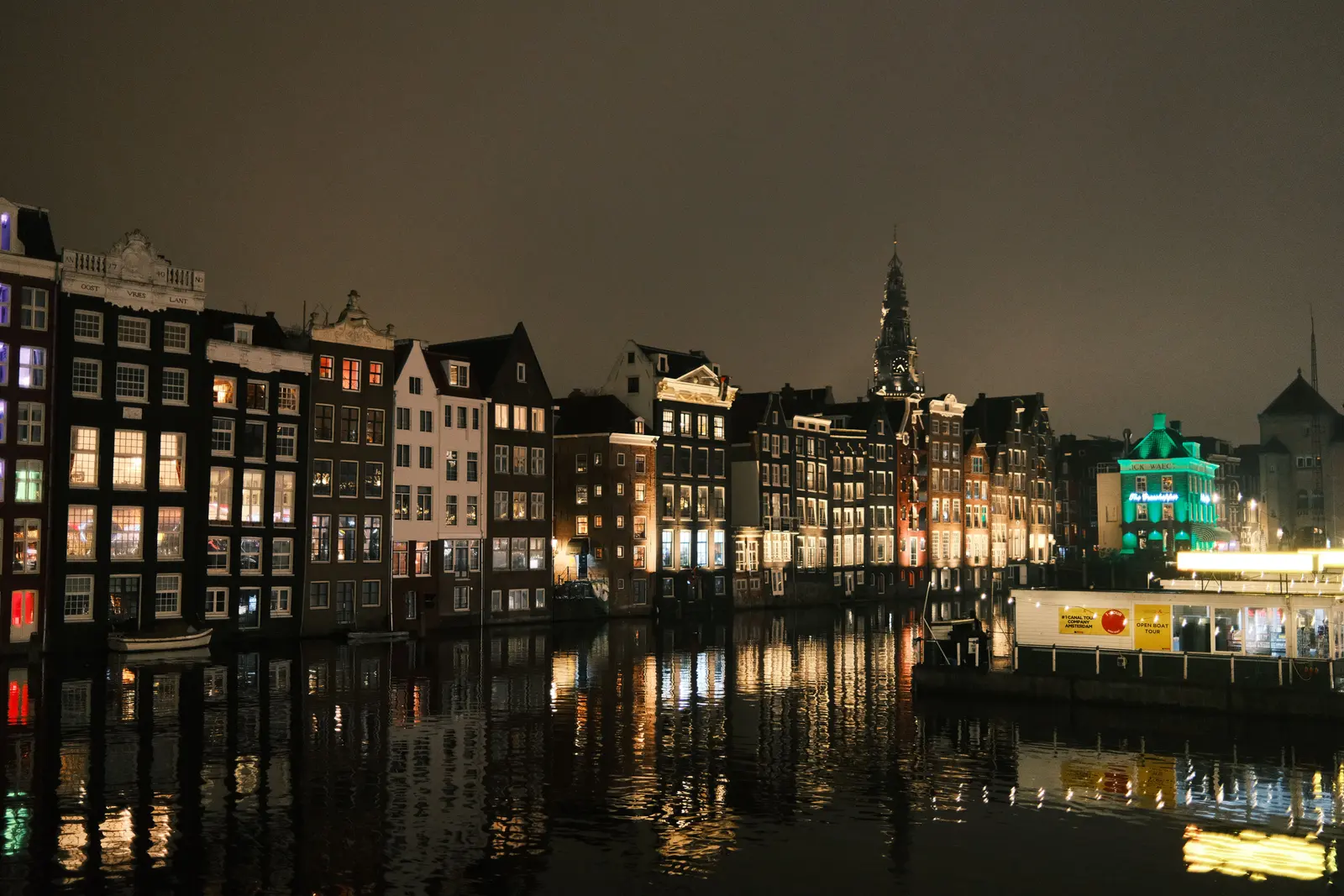
The Jordaan, all day
Narrow streets, small shops, flowerpots on doorsteps, and bicycles against every railing. This is where a walk with a 35mm outproduces any list of specific addresses. It stays workable in flat light because the buildings are close together and the colour comes from the brick and the doors.
Bloemgracht and the leaning houses
Some of the most photogenic gabled facades in the city, several visibly leaning. Shoot from across the canal with a longer lens to compress the row and keep the verticals sane.
Rijksmuseum and the Museumplein pond
The building's arch, the I-am-Amsterdam-style crowds, and a reflecting pond in front for symmetry shots. Sunrise gets you the reflection without people in it.
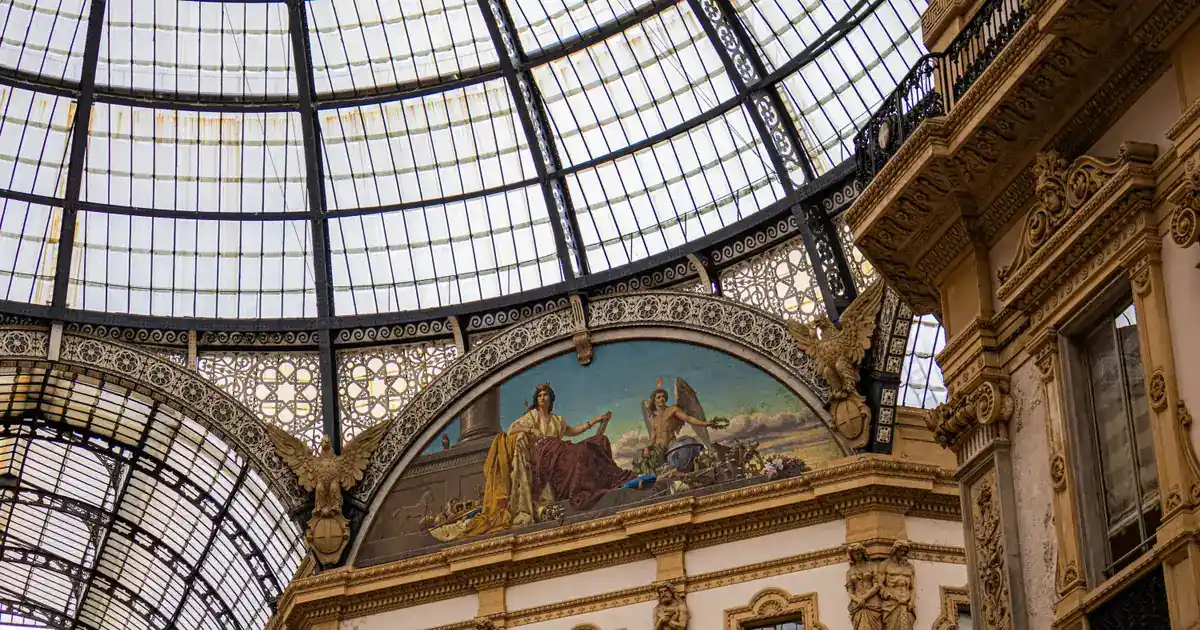
Inside, the passage through the middle of the building with its vaulted ceiling is worth a frame, and the library reading room is one of the best interiors in the country if you have a ticket.
Bicycle bridges at Amstel and Magere Brug
The Skinny Bridge across the Amstel, white and wooden, lit at night with hundreds of bulbs. It reads as a landmark and photographs cleanly at blue hour from the riverbank downstream.
Begijnhof, quiet in the middle of the city
A hidden courtyard of almshouses off a busy shopping street, with a lawn, a chapel, and complete silence. It is a residential community with rules about noise and photography, so be discreet, no tripods, and no organised shoots.
NDSM Wharf, across the water
Free ferry from behind Centraal Station to a former shipyard: warehouses, graffiti, cranes, and industrial scale. The best location in Amsterdam for editorial and fashion work, and a complete contrast to canal-house prettiness.
Vondelpark and the Amsterdamse Bos
Parkland for family sessions. Vondelpark is central and busy, the Bos is far larger, quieter, and has actual woodland. Both have space and shade, which matters more for a session with children than the view does.
Zaanse Schans, if you want windmills
Twenty minutes by train, and the reason most photographers who visit Amsterdam end up leaving the city. Wooden green houses and working windmills along a river. Sunrise, in mist, is the photograph. By eleven it is coach parties.
Practical notes
Bikes are a hazard and a subject. Do not stand in a bike lane to compose, and they are not slowing down. Equally, a bike leaning against a canal railing is the most Amsterdam frame there is.
Rain is an advantage. Wet cobbles, reflections, umbrellas, and lit windows. Bring a cloth and a bag for the camera and shoot anyway. This is a city where the grey days produce better pictures than the blue ones.
Canal houses lean deliberately, forward, so goods could be hoisted without hitting the facade. Correcting all of them to vertical in editing removes the thing that makes them Amsterdam.
Drones are prohibited over the city centre, and tripods draw attention on narrow busy bridges.
Be careful in residential areas. Much of what is photogenic here is somebody's home, and the Begijnhof and Jordaan courtyards in particular have signs asking visitors to be considerate.
The pattern is the same everywhere in this city: water, brick, and light at the edges of the day. Shoot the canals at first light and again at blue hour, use the middle of the day for the parks, the interiors, and the wharf, and let the weather decide the mood rather than the schedule. If a client session lands on a downpour, having a wet weather plan agreed in advance is worth more here than any of the addresses above.
The locations on a map
- Reguliersgracht at Herengracht: blue hour, seven bridges in line
- Brouwersgracht: early morning, still water
- Westerkerk: from the bridge west, tower behind the canal
- The Jordaan: all day, 35mm and no plan
- Bloemgracht: longer lens from across the canal
- Rijksmuseum: sunrise for the pond reflection
- Magere Brug: blue hour, lit bulbs
- Begijnhof: discreet, no tripods, residential
- NDSM Wharf: free ferry, industrial scale
- Vondelpark: family sessions, shade and space
- Zaanse Schans: sunrise in mist, twenty minutes by train
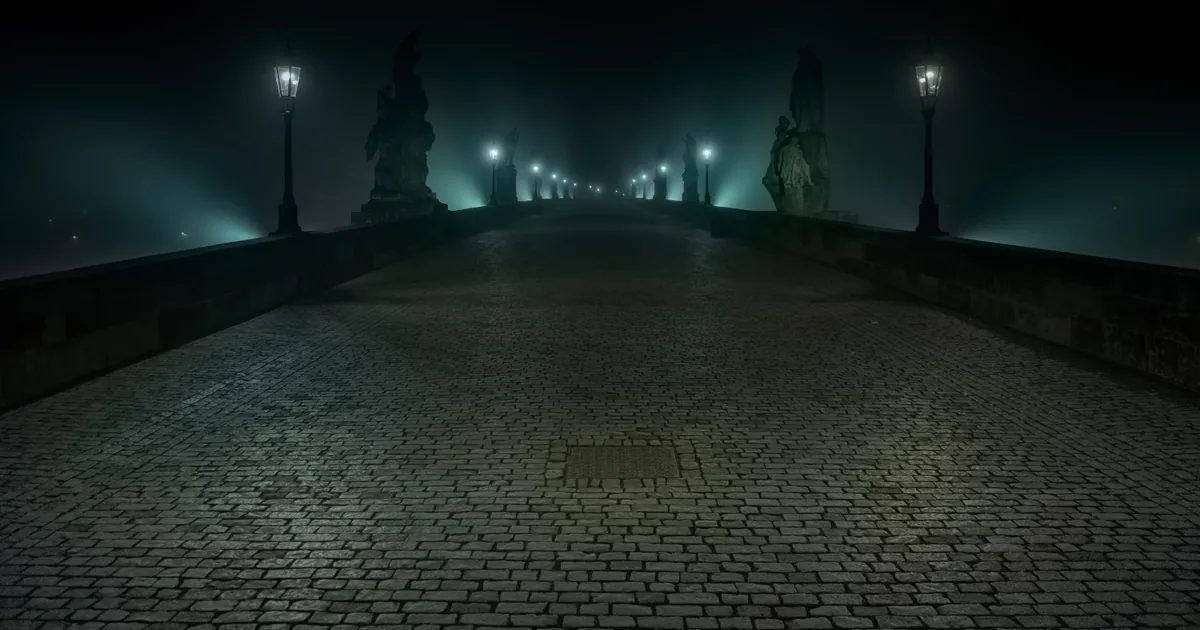
Inland, Prague works the same way in autumn, when fog fills the river valley and the spires come through the top of it.