A welcome guide earns its keep by answering the questions a client would otherwise email you, in the order they think of them. That is the whole job. Most of the templates being sold spend six of their eight pages on the photographer's origin story and one on when the photos arrive, which is exactly backwards.
Write yours by looking at your sent folder. Every question you have answered more than twice belongs in it. If you have never counted, the list is usually shorter and more mundane than you would expect: what do we wear, where do we park, how long does it take, when do we get them, and what happens if it rains.
Send it the day they book, not the week before
The guide is not a pre-shoot reminder. It is the thing that arrives while the client is still excited about having booked, which is the only moment they will read eight pages about a photoshoot.
The sequence that works: contract signed and retainer paid, then within a few hours, a short email with the guide attached and one sentence about what happens next. Then a second, much shorter reminder a week before the session with the practical details only: time, place, parking, and your phone number.
Two documents, two moments. Trying to make one document do both jobs is why so many guides go unread.
Open with what happens, in order
The first page should be a timeline, not a welcome. Something a client can read in thirty seconds and know what they have bought:
- Today: you are booked, the date is held
- Two weeks before: I send a questionnaire about the family and the shots that matter to you
- One week before: I confirm time and location, and we make a rain plan
- Session day: 60 to 90 minutes
- Within 48 hours: I send three or four previews
- Within three weeks: your full gallery arrives, roughly 40 images
That block prevents more anxious emails than anything else in the document, because uncertainty is what makes people write to you. It also quietly sets the delivery expectation at a moment when nobody is waiting, which is the only time you can set it without it sounding defensive. If your number varies by session type, the delivery count planner will give you a range you can commit to in writing rather than one you guess at.
Answer the clothing question properly
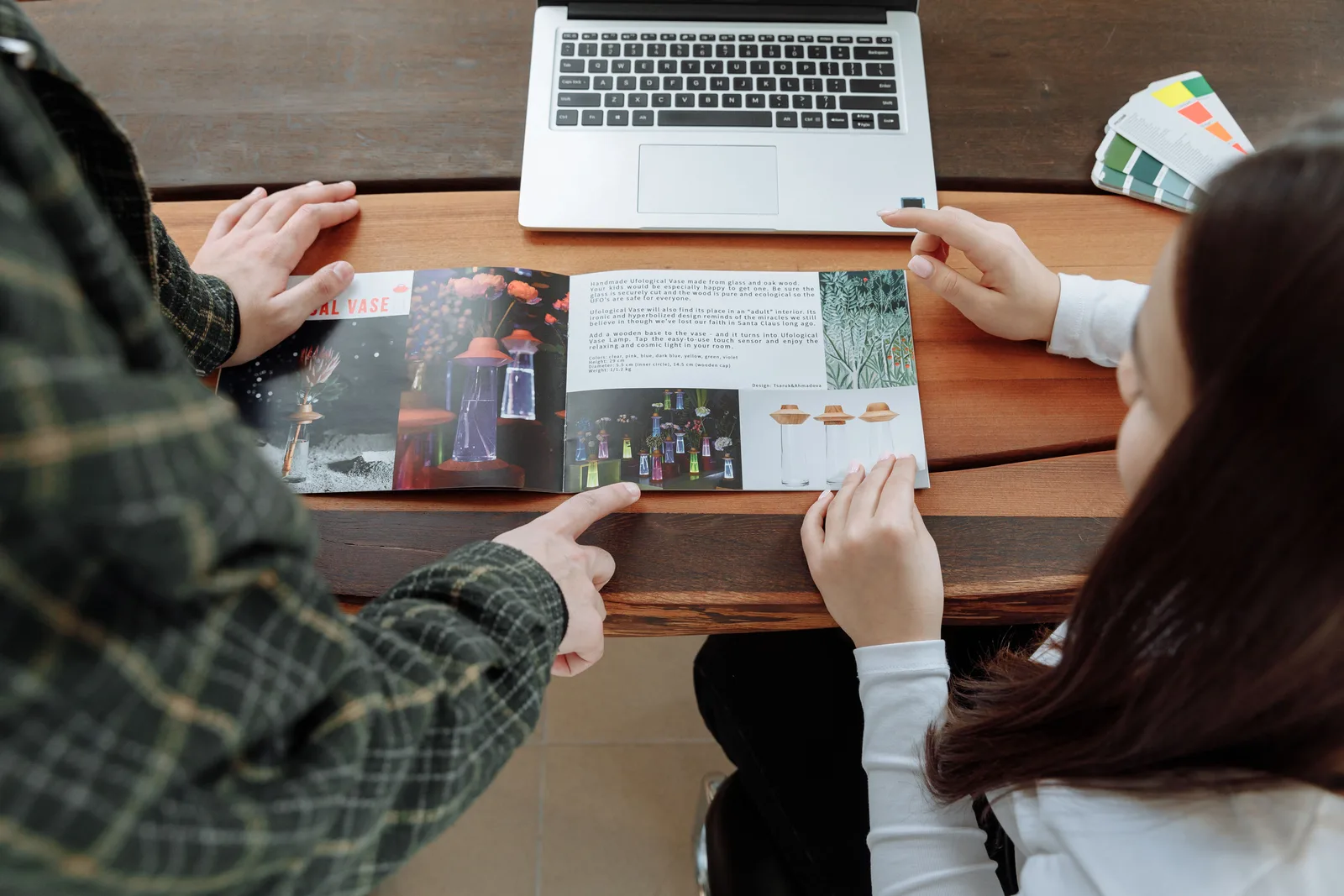
For family, portrait, and engagement work, this is the question clients care most about and the one that most affects how the photos look. Give it two full pages, with photographs rather than adjectives.
What actually helps:
- Three or four photos of real sessions where the clothing worked, captioned with why
- A palette. Not "coordinate, do not match", which means nothing to a person standing in front of a wardrobe. Show two or three colour groups that work together
- The specific things to avoid: large logos, neon, busy small patterns that moiré on camera, and brand new shoes on children
- One line about layers, which are the easiest way to make a family look considered
If you have written this well once, you can also publish it as a page on your site and link to it. That is one of the very few pieces of client-facing content that earns search traffic in its own right, which is why what to wear for family photos exists as a standalone piece rather than only as a PDF.
Put the logistics where they can be found in a car park
The details that matter on the day belong together, on one page, in large type:
- The exact meeting point, with a map screenshot and a photo of the spot
- Where to park, and whether it costs money
- Your mobile number, stated twice
- What to bring: snacks, a change of clothes for a toddler, a hairbrush
- What happens if it rains, including who decides and by when
That rain policy is worth writing out fully rather than summarising. "If the forecast is above 60 percent rain at 9am on the morning of the session, I will call you and we will move to our backup date" is a policy. "We will play it by ear" is a phone call you will have to make at 7am while someone is upset. The cancellation policy generator will produce the weather and reschedule wording in a form you can paste straight in.
Say what happens after, including the money
The part most guides omit entirely, and the part that decides whether the client buys anything.
Cover four things plainly:
- How the gallery arrives, how long it stays online, and whether they need an account for it
- What is included: the number of images, the licence to print and share them
- What is available to buy: prints, an album, extra retouching, with actual starting prices
- Whether there is a print credit, and when it expires
Saying "prints start at $28 and albums at $450" in the welcome guide is not pushy. It is the only way a client can plan, and it removes the awkwardness of discovering prices in a gallery three weeks later, which is when most print sales quietly die. If you sell through the gallery, say so here, because a gallery built to sell prints still needs the client to know that buying is possible.
Include one page about you, and keep it to one
Clients do want to know who is turning up. They want two paragraphs and a photograph of your face, not your career history.
Write the two paragraphs about them, not about you: how you work during a session, what you will ask them to do, and what you will not. "I do not do a lot of formal posing, I will mostly get you doing something and talk to you while I shoot" tells a nervous client more than any biography, and it is the same information that makes an about page book clients.
Include your photograph. People who have seen your face are noticeably less awkward in the first ten minutes of a session.
Format it so it survives a phone
Most clients will open your guide on a phone, in bed, once. That has consequences:
- 8 to 12 pages, portrait, large type. A twenty page guide is not read
- PDF, but check it on a phone screen before you send it, because two column layouts are unreadable at that size
- Your phone number and the meeting point on one page, so it can be screenshotted
- Name the file usefully:
Smith-Family-Session-Guide.pdf, notwelcomeguide-v4-final.pdf
Write it in the way you speak. If you would not say "we are so thrilled to embark on this journey with you" out loud to a client, do not put it on page one.
Update it twice a year from your sent folder
The guide should shrink and sharpen over time. Every six months, look at what clients have actually emailed you about since the last revision, and add the answers. Anything nobody has asked about in a year is a candidate for deletion.
The whole thing pairs with your client questionnaire: the guide tells them what to expect, the questionnaire tells you what they want. Send them a fortnight apart and most of the pre-session emailing disappears, which is time you get back on every booking rather than once.
None of this needs a designer or a paid template. A well-written guide in a plain layout that answers the parking question beats a beautiful one that does not.