This event photography shot list runs in the order the day does: the empty venue, arrivals, the sessions and speakers, breaks and networking, food and details, awards and the close. Each part has the specific frames and a rough count, and the six shots organisers ask for most are marked as must-haves.
Event clients are not looking for art, they are looking for proof: that the room was full, that the speakers looked good, that the sponsor logos were visible, and that next year's attendees will want to come. Photographers who deliver two hundred beautiful candid frames and no wide shot of a full room do not get rebooked. Print the list, adapt it to the run of show, and keep it in your pocket.
The six must-have shots
If the day goes wrong and you only get six frames, get these:
- The full room, wide, from the highest point you can reach.
- Every named speaker, mouth closed or mid-gesture, clean background.
- The VIPs: the chief executive, the guest of honour, the award winners.
- Sponsor branding in use, with people in front of it.
- Networking: two or three people talking and laughing, faces visible.
- The organiser's own key moment, whatever they named when you asked.
Before the day: five questions for the organiser
Ask these in one email and you will be ahead of most people who shoot events.
- What are the three photographs you cannot do without? The answer is often surprising and it is the brief.
- What will the images be used for? Next year's marketing, a press release, internal comms and social media all want different framing.
- Who are the VIPs, and can I have photographs or names? Missing the chief executive or the guest of honour is the one unrecoverable failure.
- What is the run of show, with times? Speeches, awards, the moment the ribbon gets cut.
- Are there restrictions? Flash during presentations, people who cannot be photographed, areas that are off limits.
Then ask for a contact who will be on the floor and reachable, not the person running the event from the stage. Write the answers into the list below before you leave home.
The event photography shot list, moment by moment
Counts are for a half day conference or a three hour evening event, as delivered edited frames. Scale them with the length of the day.
1. Before doors open (8 to 12 frames)
The venue is only empty and tidy for about fifteen minutes, and these are the images the client reuses for years.
- Building exterior and entrance signage (1 to 2).
- The empty main room, wide, from the back and from the stage (2).
- The stage: lectern, screens, lighting, backdrop (1 to 2).
- Set tables or theatre seating, one wide and one low angle down a row (2).
- Registration desk, badges and lanyards laid out (1 to 2).
- Sponsor stands and banners, before anyone blocks them (1 per sponsor).
2. Arrivals and registration (6 to 10 frames)
- The queue at registration, which shows scale.
- Staff greeting guests, with smiles you can read.
- Badge collection and the welcome drink.
- VIPs arriving, and the organiser welcoming them.
- The room filling up, one wide from the same spot as the empty room shot. The pair of frames tells the story on their own.
3. Sessions and speakers (3 to 5 frames per speaker)
- Each speaker, tight, from the audience side, mid-gesture, mouth closed.
- Each speaker, wide, with the slide or screen readable behind them.
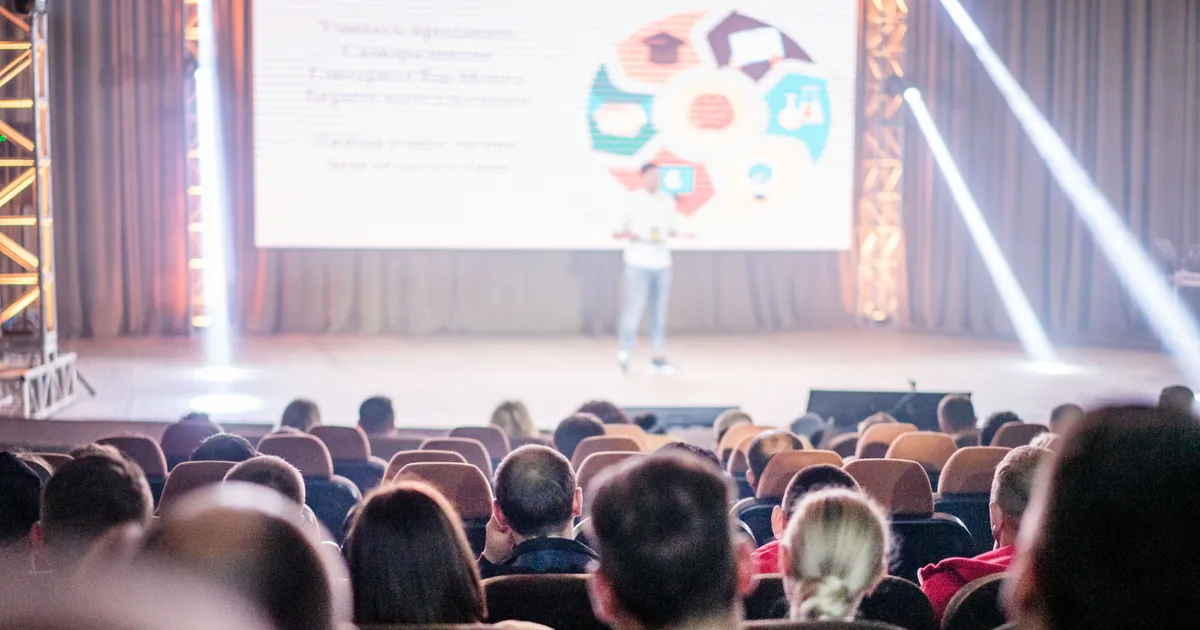
- The full room from the back, during the busiest session. Get this from a balcony, stairs or a chair at the back.
- The audience from the stage side, looking engaged: laughing, taking notes, a raised hand.
- Panel discussions: the whole panel, then each panellist talking.
- Q&A: the person asking and the speaker answering.
- Interpreters, sign language and the AV desk, if the client wants the production credited.
4. Breaks and networking (10 to 20 frames)
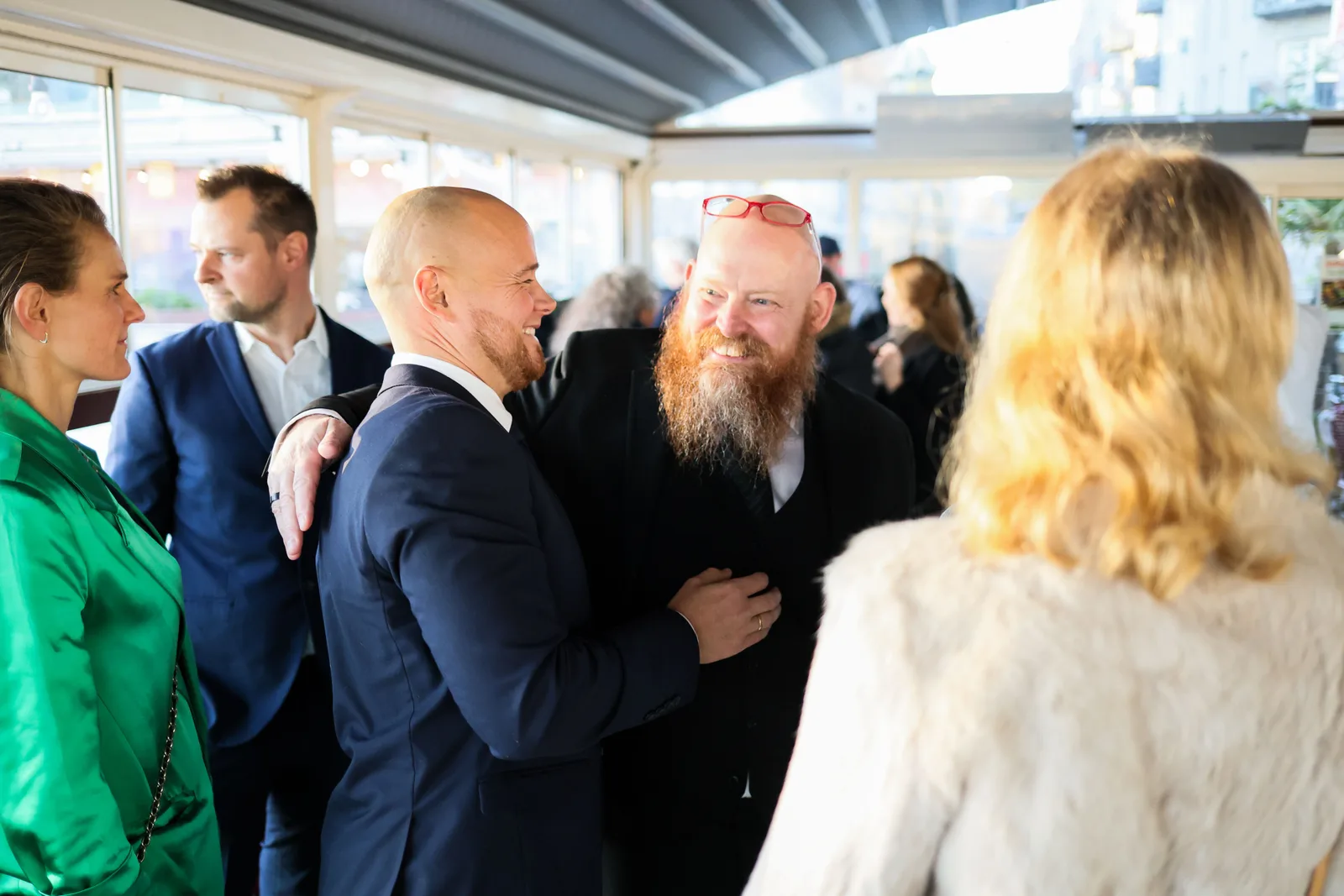
- Small groups talking, two or three people, faces towards you.
- Handshakes and introductions, the two seconds after, not the posed grip.
- People at sponsor stands, so sponsors get proof of traffic.
- Hands-on moments: a product demo, a workshop table, a photo booth.
- Candid laughter. One person alone with a phone does not read as networking, two people talking does.
5. Food, drink and details (6 to 10 frames)
- Catering laid out before anyone touches it, overhead and at table height.
- Drinks being poured, a toast, glasses raised.
- Name badges, programmes, giveaways, flowers, branded cups.
- Signage and wayfinding, with the event name visible.
- Never people mid-mouthful. Nobody looks good eating, and the client will never use it.
6. Awards and key moments (3 to 6 frames per award)
- The announcement, winner reacting in the audience.
- The walk to the stage.
- The handover, both faces visible, trophy between them.
- The posed winner shot against the backdrop or sponsor board.
- The ribbon cut, the launch reveal, the toast: whatever the organiser named.
7. Groups and the close (4 to 8 frames)
- The team photo, organisers and staff, scheduled before the event gets busy.
- Speakers together, the easiest group to get straight after the last session.
- The whole audience in one frame, from the stage, if there is a moment.
- The organiser at work, looking competent. Do this without being asked.
- The last guests leaving, or the evening atmosphere under event lighting.
Working the room
Move constantly and vary your height. Everything shot from standing at eye level looks the same, so shoot some frames from a chair, some crouched, some from a balcony.
Get close. Event photography fails when everything is shot from ten metres with a long lens, because the images have no energy and no faces you can read.
The technical settings that survive a venue
Event lighting is the real problem: mixed colour temperatures, dim rooms, and uplighting that turns skin purple.
- Shoot raw, always, because the white balance will need fixing.
- A fast lens, f/2.8 or wider, and accept a higher ISO. A noisy sharp frame beats a clean blurred one.
- Bounce your flash off a ceiling where the room allows it and the ceiling is neutral coloured. Direct on-camera flash produces the harsh look people associate with bad event photos.
- Keep the shutter at 1/125s or faster for people who are moving and talking.
- Check the white balance in the first five minutes rather than at home.
If flash is not permitted during a presentation, say so to the organiser in advance rather than being told mid-speech.
Deliver fast, and deliver in tiers
Send ten to twenty edited images within 24 hours, sooner if it is a conference with live social channels. Their communications team is posting that day, and photographs delivered a week later have no value to them.
Then deliver the full gallery inside a week, organised in the same sections as the shot list: venue, arrivals, sessions, networking, awards. An organiser looking for a photograph of one specific speaker should find it in ten seconds.
Give them web-sized files for social and full resolution for print, and make sure the licence is clear, because event clients are businesses and their usage is commercial by definition, which is a different question from a personal use licence.
A named, ordered, downloadable gallery is the deliverable, not a link that expires in a week. That difference is most of what separates delivery from handover, and it is what an organiser remembers when they book next year's photographer.
After the event
Send one short email a week later with two or three of the best images attached and a note about what worked. It is a natural moment to ask whether they have other events coming up, and it converts far better than a cold follow-up in six months.
Event work is the most repeatable business in photography: annual conferences, quarterly launches, regular awards nights. One organiser who rebooks you is worth more than five one-off portrait clients, which is the same argument as building referrals deliberately.
The small private version of this job runs on the same principles and a much tighter timeline, which is how to photograph a birthday party without missing the cake.
The one frame every organiser asks for and nobody plans is the whole room in a single photograph. Getting forty people arranged and lit in under ten minutes is worth rehearsing before an event rather than during one.
Corporate events run on the same checklist plus a stakeholder list, a sponsor board, and a commercial licence that has to be priced rather than assumed. What to charge for a corporate event and how to shoot it covers the parts that differ.