The about page is where people decide whether to enquire. They have already looked at the photographs, they like them, and now they are checking whether they want to spend eight hours of a wedding day with you.
Which is why the standard version fails. "I have loved photography since my father gave me his old film camera" tells the reader nothing about that question, and it is on approximately half the photography websites in existence.
Write it for the client's decision, not your biography
The reader is asking three things, in this order:
- Will this person make me feel comfortable?
- Do they understand what I actually want?
- Are they competent and reliable?
Everything on the page should answer one of those. Your childhood camera answers none of them.
The structure that works
Open with them, not with you. One or two sentences that show you understand their situation. "Most people who contact me say they hate having their picture taken. That is genuinely the best possible starting point, because it means we are going to do this differently."
That opening does more work than any credential. It says you have heard this before, you are not going to make it worse, and you have a plan.
Then say what you do and who for. Specific. "I photograph weddings for people who want the day to feel like theirs rather than a series of setups, mostly in Yorkshire and occasionally further." A reader should be able to tell within ten seconds whether you are for them.
Then the human paragraph. This is where you get to be a person: what you drink, the dog, the fact that you cry at the speeches, the thing you are irrationally particular about. Two or three specific details, not a list of hobbies. Specificity is what makes it readable, because "I love coffee and travel" is what everybody says.
Then the reassurance. Years working, weddings shot, insured, backup equipment, how you handle the worst case. Brief and factual. This is the paragraph that closes the nervous reader and it belongs late, not first.
Then one clear next step. A link to your enquiry form or your pricing, with a sentence that lowers the stakes: "Send me the date and a couple of lines about what you are planning, and I will tell you honestly whether I am the right fit."
Put a photograph of yourself on it
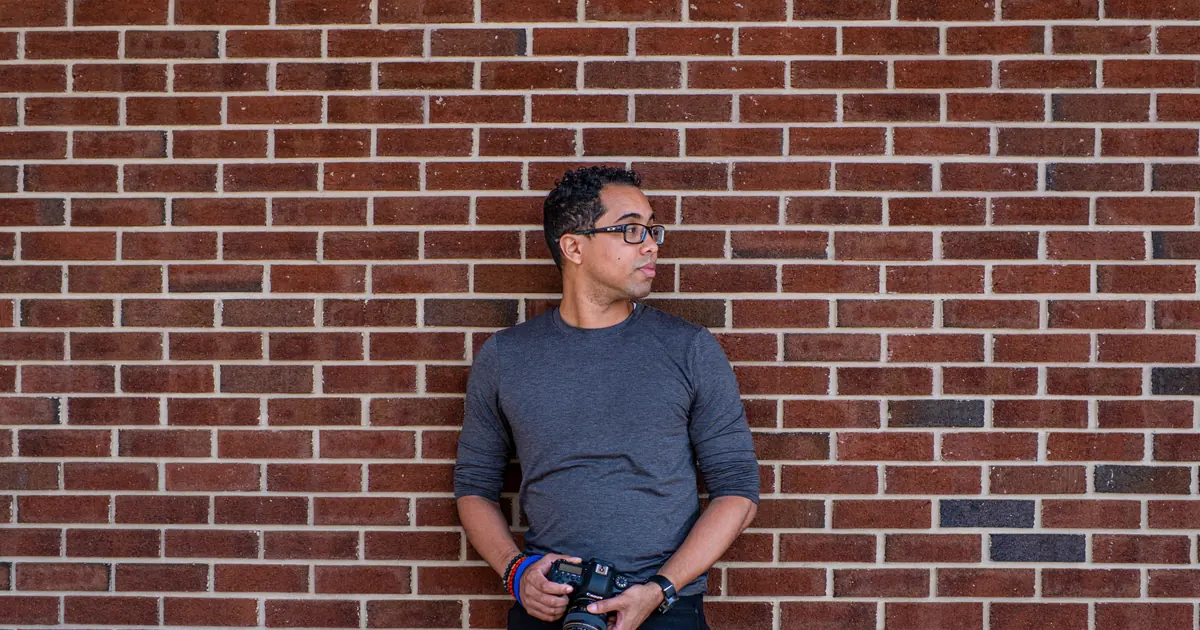
A good one, where you are looking at the camera and appear to be a person someone would enjoy spending a day with. Not you holding a camera in front of your face, and not a photograph you took of yourself in a mirror.

This is the least optional element on the page. Clients are hiring a person to be present at something important, and a page about you with no picture of you reads as evasive. It is also the exact frame you are producing for other people when you run a brand session, so shoot your own with the same plan you would sell them.
The lines to cut
- "Based in X, available worldwide." Everyone writes this and it says nothing. Name the places you actually work.
- "I capture moments and tell your story." True of every photographer alive.
- Third person. "Sarah is an award-winning photographer" on a one-person business reads as an agency press release.
- The full equipment list. No client has chosen a photographer on sensor size.
- Awards nobody has heard of, listed at length. One line at most.
- The origin story, unless it genuinely explains how you work now.
Length and format
Around 300 to 500 words, broken into short paragraphs with a couple of subheadings so it can be skimmed. Nobody reads a wall of text on a phone.
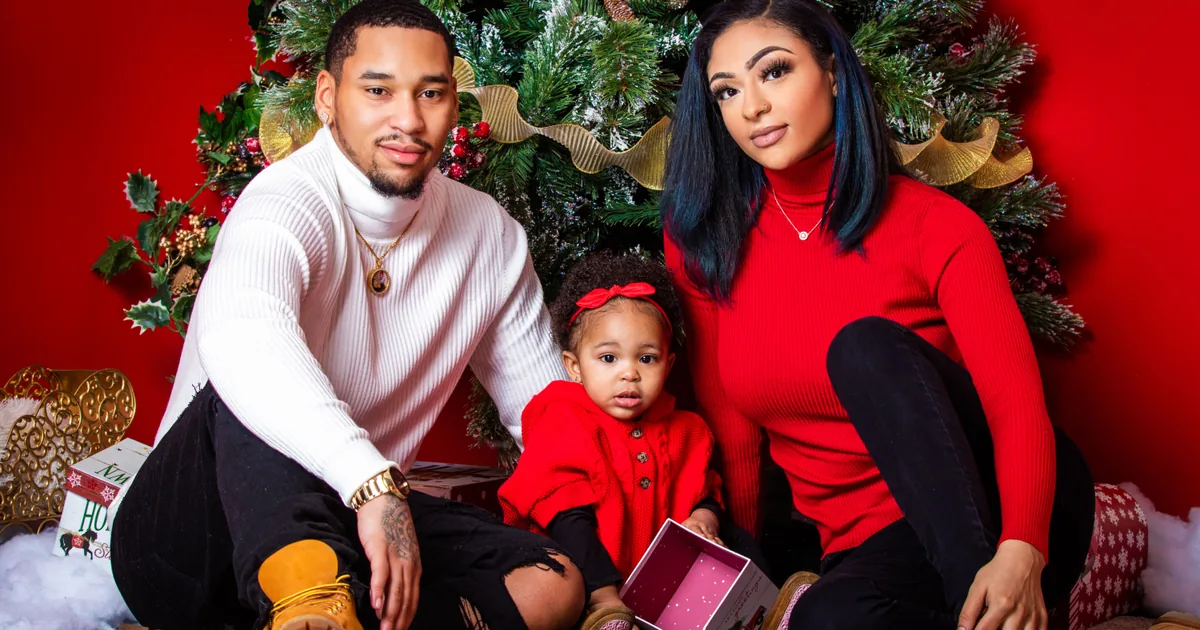
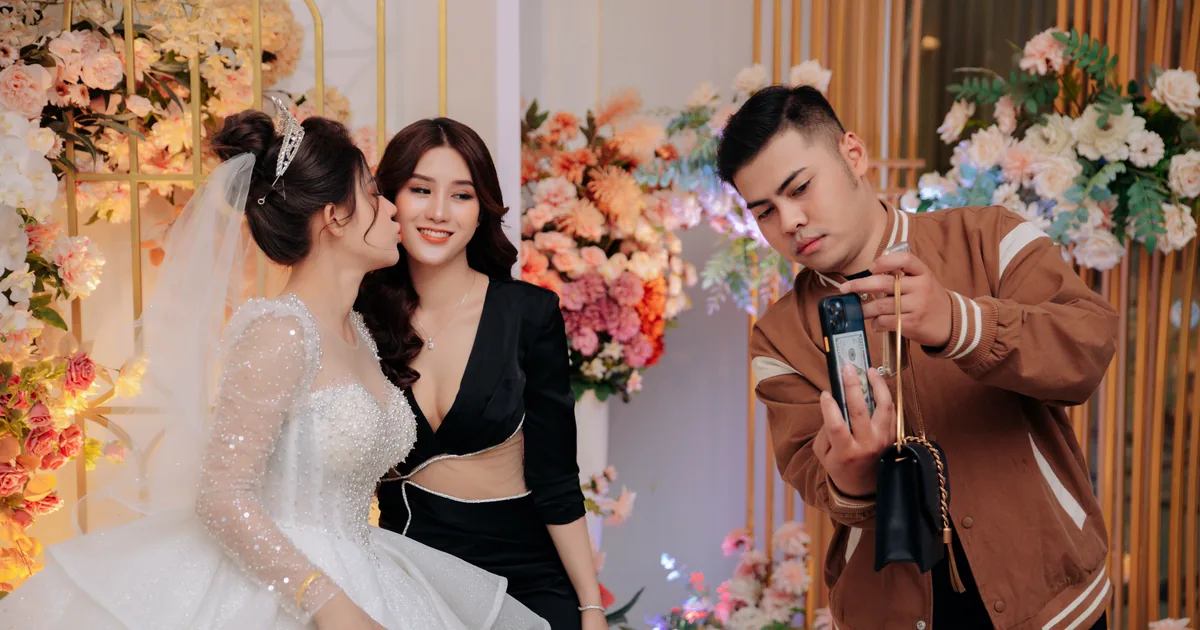
Include two or three photographs through the page: one of you, and one or two recent images that show what you mean. The photographs keep people scrolling to the end, which is where the enquiry link is.
The SEO part, briefly
The about page can rank for your name, your studio name, and location terms, so include the places you work in natural sentences rather than in a keyword list. "I photograph weddings across Yorkshire, mostly around Leeds, York, and the Dales" does the job for a reader and for a search engine at the same time.
Add your business name, location, and contact details somewhere on the page, which helps the entity picture that search relies on for local visibility.
Test it with one question
Read it back and ask: could another photographer in my town paste this onto their site and have it still be true?
If yes, it is not an about page, it is a template. Add the specific things: the county you cover, the kind of weddings you actually enjoy, the thing you always say to nervous couples, the honest sentence about what you are not for. The willingness to say who you are not for is the single strongest trust signal on any about page.
Two structural points beyond the words. The page needs to be easy to find from every other page, which is one of the things worth testing when choosing a portfolio platform. And it is one stop on a longer route, because people rarely go straight from search to booking: they find you, check Instagram, read the about page, and come back a week later.
Then check that the page ends where the enquiry begins. The best about page in the world loses the booking if the next step is unclear, and how you handle what arrives afterwards is the part that actually converts.