
Most photographers treat the client gallery as the finish line: edit the photos, dump them in a folder, send the link, done. That works, but it leaves money and meaning on the table. The gallery is the moment your client is most emotional about their photos and most ready to act. Build it like a sales tool, gently, and prints and albums start to sell themselves.
None of this means turning the delivery into a pushy storefront. It means removing the friction between a client loving an image and having it framed on their wall.
Curate hard before you deliver
The instinct to give clients everything is a mistake. A gallery of two hundred near-identical frames does not feel generous, it feels like homework. The client gets overwhelmed, picks nothing, and the images die in a folder.
Deliver the tight edit instead. Forty strong photos where every one earns its place will always outperform two hundred where the client has to do the culling you avoided. A confident, curated gallery says these are the ones, and confidence is what makes people buy.
Choice paralysis kills print sales. When every photo is a maybe, none of them becomes a purchase.
While you are curating, take the watermark off. A logo across the corner is the other reliable way to stop a print order, and it protects far less than most photographers assume, which is worth reading before you stamp a paid gallery.
Order the gallery like a story
Photos left in shooting order are just a data dump. A considered order turns the same set into an experience. Open with a strong establishing image, vary the rhythm between wide and close, and end on something with emotional weight. When the gallery flows, clients scroll all the way through instead of bailing halfway, and every extra image they see is another chance to fall in love with one.
Make favoriting effortless
The path from feeling to sale runs through favoriting. If a client can tap a heart on the images they love as they browse, you end up with a shortlist they built themselves, and that shortlist is your print conversation already half finished. On Xposure, favorites are built in and visible to you, so you can see exactly which images landed before you ever mention a product.
Encourage it in the delivery message. A single line, pick your favorites as you go, turns passive browsing into active selection.
Put the wall art where the emotion is
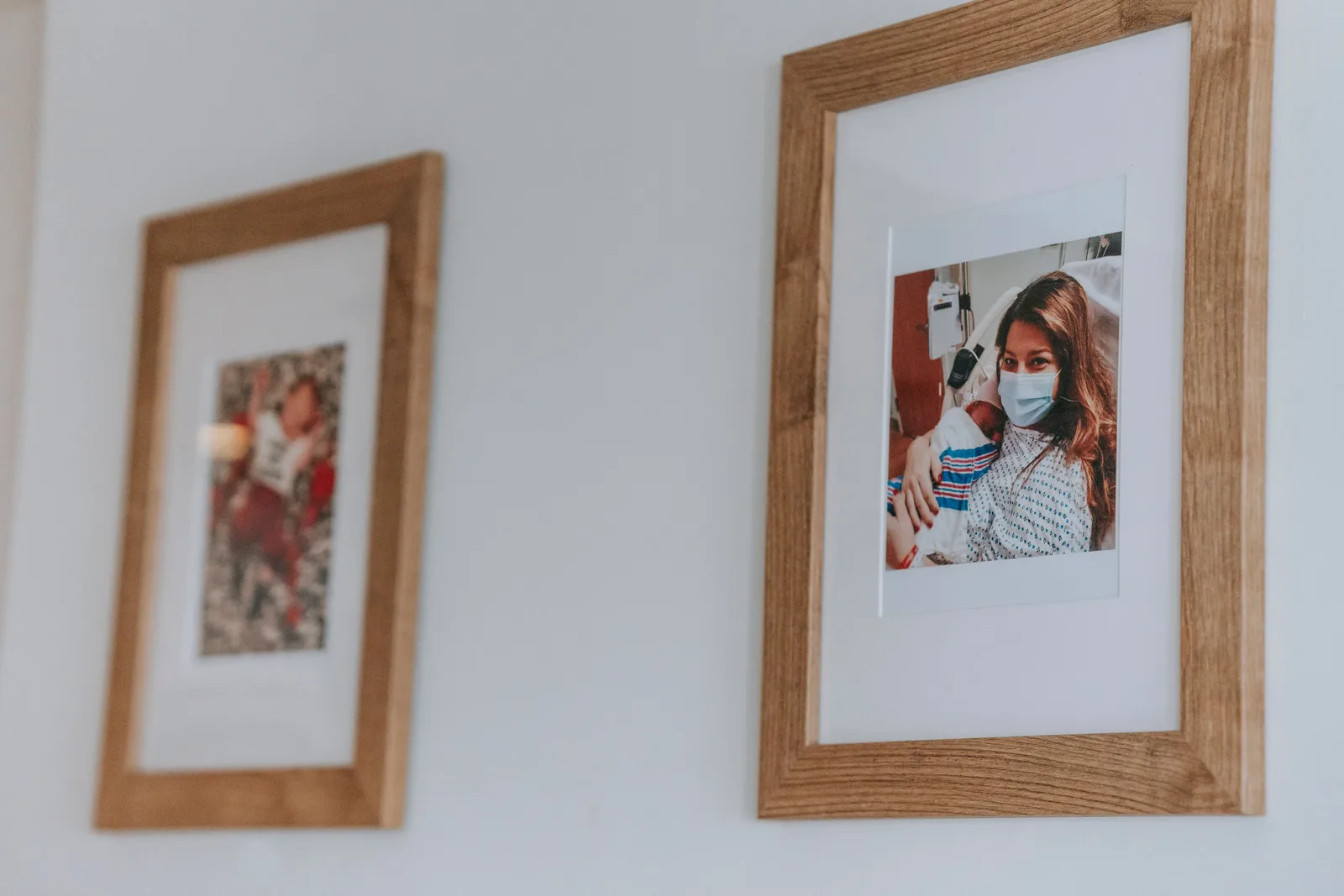
The worst time to pitch prints is in a separate email a week later, when the first rush of feeling has faded. The best time is inside the gallery, while they are looking. Let clients move from an image they love to owning it as a print without leaving the page and losing the moment.
Frame it as a suggestion, not a sales pitch. Presenting a beautiful framed version of the exact photo they just favorited is a service, because most people genuinely want their photos on the wall and simply never get around to it. You are removing the friction, not applying pressure.
Follow up once, with a reason
If a client browses and does not order, one gentle follow-up is fair and effective. Not a discount blast, a reason: their gallery is available until a certain date, or their most-favorited image also comes as an album spread. Give them a specific nudge tied to what they already showed interest in, then let it go. One good follow-up converts. Five turn you into spam.
Let the gallery keep working after the sale
A delivered gallery is also a quiet source of new work. Make it easy for clients to share the link with family, and make sure your name and a way to book you are somewhere on the page. Grandparents who see a beautiful gallery are your warmest possible leads, and they arrive already convinced.
Build the gallery this way, curated, ordered, favoritable, with prints a click from the emotion, and you stop thinking of print sales as an awkward add-on. They become the natural end of a delivery you were already proud of.
One thing to settle before the first order goes out: where the prints are actually made. On Xposure that is settled for you: print sales put prints, canvas and albums in the client gallery, the client pays in the same checkout as their downloads, and every order waits for you to check the crop before a professional lab makes it. If you sell through a lab of your own, remember that consumer labs apply automatic corrections you cannot see, and choosing a lab and testing it properly is what stops a client's wall art arriving darker than the file you approved.