A brand photography session is a content shoot with a person in it. The client is not buying a portrait they will frame, they are buying six months of website headers, social posts, email banners and proposal pages, and they will judge the work by whether it fits those slots rather than by whether it is beautiful.
That single difference changes how you plan the day, what you shoot, how you crop, and how you deliver. It also changes the price, because a half day producing 60 usable marketing assets is worth considerably more than a half day producing 15 portraits.
Start from where the photos will be used
Before you think about locations or wardrobe, get the list of slots the photos have to fill. Ask the client to open their own website and social accounts with you on a call and name them out loud. A typical list:
- A website hero, wide, with empty space on one side for a headline
- An about page portrait, vertical
- Three or four social posts a week for the next quarter, 4:5 and 9:16
- A profile picture that matches the headshot on their LinkedIn
- Something for the top of an email newsletter, very wide and very short
- Photos of the actual work or product, which they always forget to ask for
Now you have a brief instead of a mood. Every one of those has an aspect ratio and a place where text will sit, and knowing that before the shoot is the difference between 60 usable frames and 300 nice ones that all crop badly.
Ask five questions on the discovery call
Keep the call to 30 minutes and get through these. Anything else is decoration.
- Who is the audience, and where do they see you? (A consultant selling to banks and a ceramicist selling on Instagram need opposite shoots.)
- What are you launching in the next six months? The photos should be ready for whatever is coming, not for what happened last year.
- What do you never want to be photographed doing? Cheaper than finding out on the day.
- Which of your competitors' photos do you like, and what specifically? "The colours" and "she looks approachable" are both useful. "It just works" is not.
- Who else will be in the photos? Team members need to be told they are being photographed, in advance, in writing.
That last one prevents the most common brand shoot disaster, which is an employee who did not consent standing in the middle of your best frame. If they appear and the images are for advertising, you need a signed model release as well.
Build the shot list from their calendar, not from Pinterest
Turn the slot list into a shooting plan with a rough count. A four hour session usually breaks into four blocks of roughly 45 minutes with 15 minutes between them for changes and moves:
- Block one, portraits. Two outfits against the cleanest background you have. Ten to fifteen keepers. Do this first while they are least tired and most self-conscious, because it is the set they care about most.
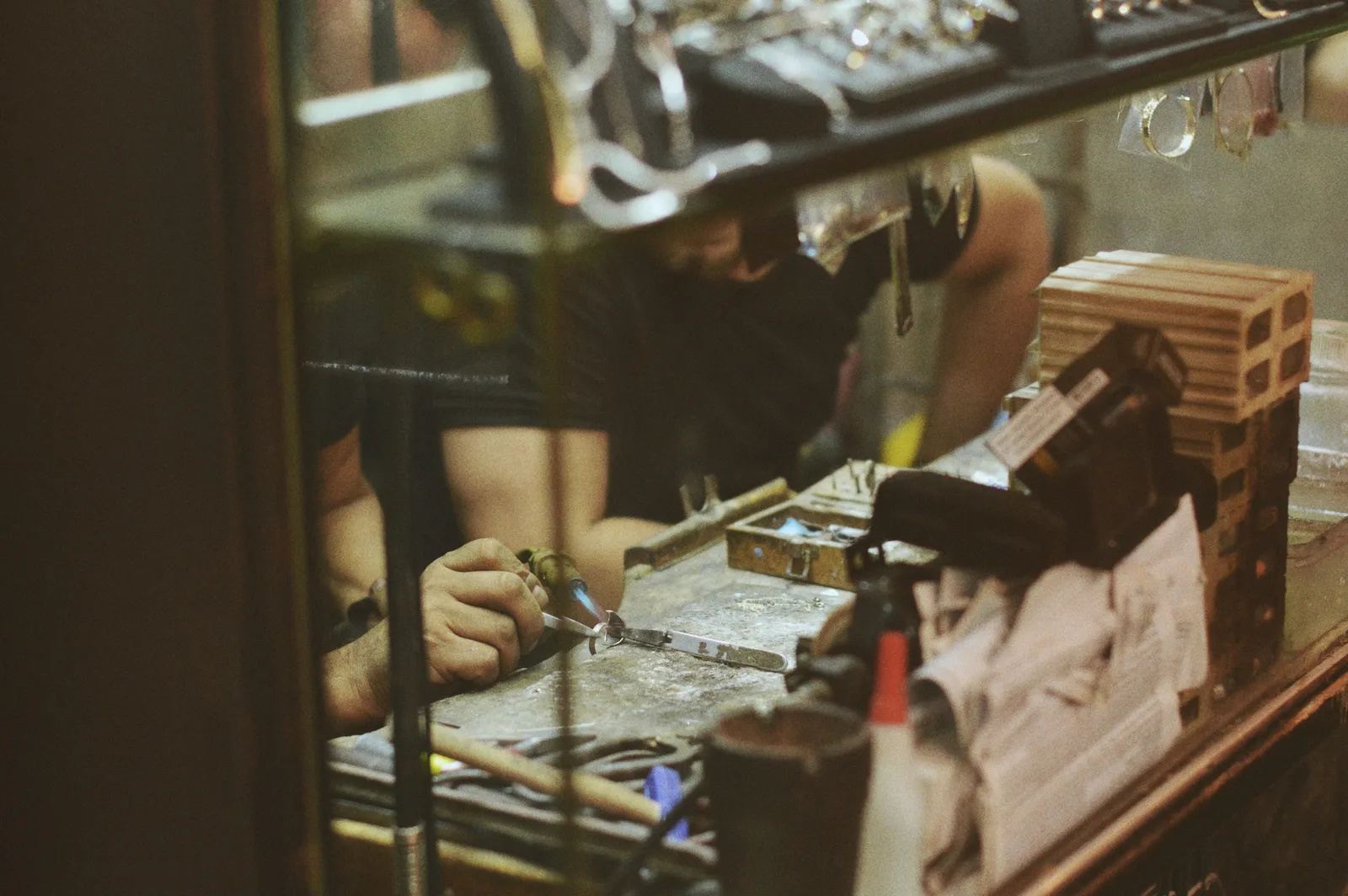
- Block two, at work. Them doing the thing they are paid for: at the bench, at the whiteboard, on the phone, mid consultation with a stand-in client.
- Block three, details and hands. Tools, materials, product, screen, notebook, the coffee and the mess. This block fills more social posts than any other and takes the least effort.
- Block four, environment and negative space. Wide frames of the space with the subject small in it, deliberately composed so a headline fits.
Send the plan to the client the day before with the times on it. A business owner who knows they are on camera from 9 to 10 and holding a mug at 11:30 arrives prepared, and preparation is most of what makes them look comfortable. The rest is direction, and people who feel silly need something to do with their hands more than they need posing instructions.
Shoot every setup wide and tight, and shoot verticals
The discipline that separates a brand shoot from a portrait shoot. For each setup, take the frame you want, then take it wide with room around the subject, then take a vertical, then take a detail from the same scene. Four frames, one lighting setup, thirty seconds.
Leave more headroom and side space than feels right. A designer will crop into your composition to fit a banner, and a frame with no room to breathe simply cannot be used at 1600 by 400. Nobody has ever complained about too much negative space in a brand library.
Keep a consistent look across the day, because these images will appear next to each other in a grid within a week. That means the same white balance, the same grade, and ideally the same light direction, which is the practical use of a signature look when the client is a business rather than a couple.
Price it as a library, not as hours
Brand sessions are usually sold as a half day or a full day, with the number of delivered images stated rather than implied. Common ranges:
- Half day, roughly four hours, one or two locations: $800 to $2,000, delivering 40 to 60 edited images
- Full day, two or three locations, wardrobe changes, team included: $1,800 to $4,000, delivering 80 to 150
- Quarterly retainer, a half day every three months: usually the previous rates with 10 to 15 percent off, invoiced monthly
Add a usage licence line, because this is commercial work. The standard version is unlimited use in the client's own marketing, in perpetuity, with paid advertising and third party resale quoted separately. Hair and makeup, when the client wants it, is booked by you and billed at cost plus a coordination fee, or booked by them directly.
If you have never built the numbers into a package your client can read in one page, the package builder will do it, and having two or three named options on screen makes the half day versus full day decision an easy one for them to make.
Deliver a library they can actually use
Delivery is where most brand shoots quietly fail. Handing over a flat gallery of 120 files named DSC_4471 puts the work of finding anything onto a business owner who will do it once and never again.
Deliver in named groups: portraits, at work, details, wide with space. Include the crops you promised as separate exports rather than expecting them to crop, because they will do it badly in Canva. Add a plain text line to each group saying what it is for, and put the licence in the same email as the gallery link.
Then ask the client to mark the ten they want first, so you retouch those properly rather than lightly retouching everything. Xposure galleries have favourites built in, so the shortlist comes back with the client's own picks attached instead of a list of filenames in a spreadsheet, which is the same reason proofing beats a reply-all thread on any shoot with more than one decision maker.
Six months later, send them an email asking which photos they have used most. The answer tells you what to shoot more of next time, and it is the single most reliable way to turn a brand session into a repeating booking rather than a one-off.
That email is also when you find out the images are running as paid ads, which is a different licence to the one you quoted. Naming the media, term and territory in the quote is what turns that discovery into a renewal rather than an awkward conversation.