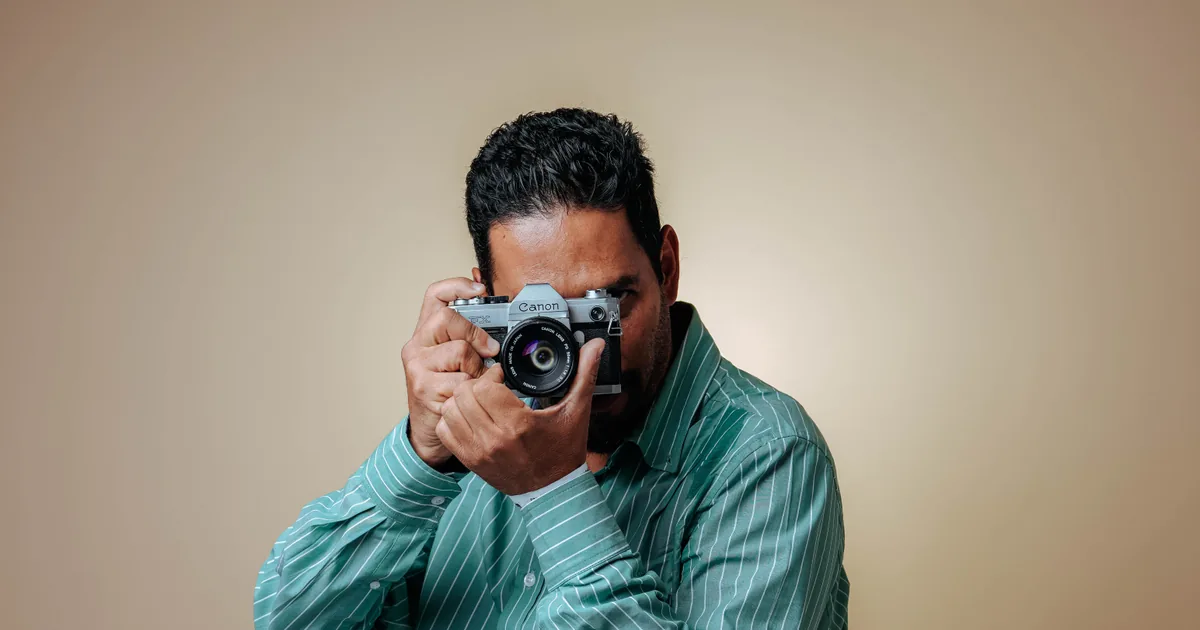
Specialising works because of how people hire. Nobody searches for "photographer" and picks the most versatile one. They search for the specific thing they need, and they hire the person whose entire website appears to be about it.
That is the argument for a niche, and it is a strong one. The complication is that choosing wrong costs you a year, so it is worth choosing on evidence rather than on which genre looked best on Instagram.
Judge candidates on four things
Demand where you actually live. Not global demand. If you are in a town of 30,000, there are not enough newborns for a newborn-only studio, and there are plenty of houses to photograph for agents.
What clients can pay. Wedding clients have a budget set aside. Small local businesses do not, and neither do most families. This is the difference between a niche that supports one full-time person and a niche that supports a side income.
How often the same client returns. Weddings are once. Real estate agents, restaurants, schools, and corporate clients come back monthly. Repeat clients lower your marketing cost dramatically, which is the least discussed advantage in this whole subject.
Whether you can stand doing it every week. This is the one photographers skip. Real estate pays reliably and is repetitive. Weddings pay well and consume every Saturday for a decade. Newborn work is beautiful and involves a lot of very long mornings. Pick something whose bad days you can tolerate, since the good days take care of themselves.
The realistic map
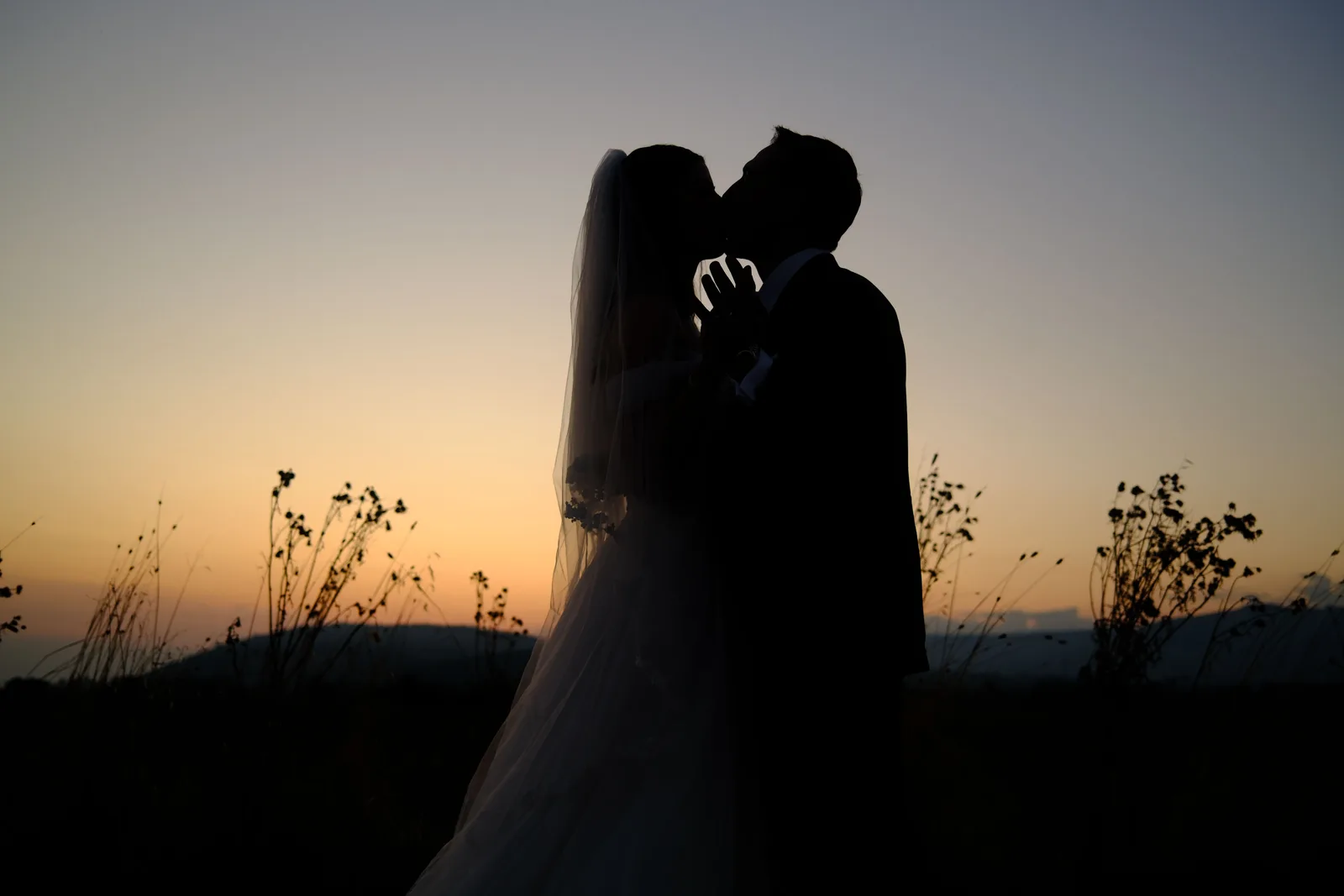
Weddings. Highest single-transaction value, hardest competition, no repeat business, and it takes your weekends. Referrals are strong and the season is brutal.
Family and portraits. Steady, local, moderate prices, repeat business every year or two if you keep in touch. Depends heavily on print and product sales to be properly profitable.
Newborn. Specialised, higher prices, requires specific training and safety practice, and a small local market that turns over constantly.
Real estate. Short daytime shoots, predictable pricing, repeat clients, and the least glamorous work in photography. The most reliable monthly income available to a solo photographer, which is why it comes up repeatedly as a starting genre.
Corporate, headshots, and events. Business budgets, weekday work, and invoices rather than emotional conversations. Underrated, and often the best fit for someone who wants their weekends back.
Products and food. Studio-based, scalable, and driven by commercial clients who need images continuously. Requires learning lighting properly, and it is a setup you can build at home.
Pets, sports, schools, and everything else. Real niches with real money in them, and far less competition, precisely because they are less photogenic on Instagram.
The test before you commit
Do this for two or three candidates rather than deciding on a feeling.
- Search the way a client would, in your town. Count the photographers who clearly specialise. Two or three is an opportunity; fifteen is a fight.
- Look at their pricing pages. If nobody publishes a price, the market is opaque and that is often an opportunity in itself.
- Count the potential clients. How many weddings happen in your county a year? How many estate agents are within thirty minutes? Rough numbers are enough.
- Do five of them. Actually shoot five sessions in the genre, at a discounted rate if necessary. You will know within five whether you can stand the work.
That fourth step decides more than the first three combined.
Niche by client, not only by subject
The more useful specialisation is often not the genre but the kind of client. "Wedding photographer" is crowded. "Photographer for small intimate weddings in the Yorkshire Dales" is not, and it is a description someone searches for directly.
Same for the commercial side: not "product photographer" but "photographer for independent food and drink brands." Narrower is easier to market, easier to recognise, and easier to charge properly for, and it is exactly the specificity an about page needs to have. The business-facing niches are also the ones with the least seasonal dead time, which is most of the appeal of headshots and brand sessions to photographers who are tired of a July that pays for a February.
When not to specialise
In your first year. You do not yet know what you like or what sells locally. Shoot broadly, notice what you look forward to, and let the niche emerge from evidence.
In a small market. If you live somewhere with a population of 20,000, being the photographer for everything is a viable and sensible business.
When two niches share a client. Real estate and architectural interiors, products and food, families and newborns. Combining adjacent genres is not a lack of focus, it is a wider version of the same audience.
Changing your mind later
Switching niches is normal and it costs less than people fear. It costs a website rewrite, a portfolio cull, and about six months of the new work being quieter than the old.
What it does not cost is your skill or your reputation, both of which travel. If you are a year into weddings and dreading every Saturday, that information is worth more than the sunk cost of the portfolio, and the photographers who last twenty years in this business are almost never the ones who picked correctly at the start. They are the ones who noticed early and moved.