A youth league picture day sells per player packages at $20 to $60 each in the US, with prints, trading cards or a team composite pushing the top package past $80. In the UK, grassroots club photo days sell at roughly £12 to £35 a package. Game coverage for a high school or club runs $150 to $300 a game, or $100 to $200 an hour, and UK match day packages for a non league club sit around £65 to £100. Action shots sold to parents go for about $10 a download, or $40 to $75 for every photo of one player.
Which of those you use depends on who pays. A league pays you for a team photo, a school pays for coverage, and parents pay for their own kid. Most sports photographers make their money from the third group, so price the first two to get you on the sideline and the third to pay the bills.
How does a youth league picture day make money?
On volume, not on rate. A league with 400 players across 30 teams, booked on a Saturday with three stations (team, individual, retakes), gives you about 6 hours of shooting. If 70 percent of families order at an average of $38, that is $10,640 in gross sales from one day.
A typical package ladder:
- $20: one 5x7, eight wallets, the team photo as a digital file.
- $38: an 8x10 individual, a 5x7 team photo, eight wallets, a set of trading cards.
- $60: everything above, plus the full resolution digital of the individual and a team composite.
Put the digital file in the middle package or above. If the $20 package includes a full resolution download, nobody buys the $38 one.
Your costs are the second assistant, the lab bill and the order sorting. Budget two to three hours of admin per 100 orders if parents fill in paper envelopes, which is the main reason to take orders online.
Should you pay the league a commission?
Yes, because every competing studio will offer one and the board votes on it. The going rate is 10 to 20 percent of sales, or a flat $2 to $5 per package sold. Some leagues want it as a sponsorship instead: a banner credit, a sponsor plaque, free team photos for coaches.
Pay it on sales after tax and after refunds, and write that in the agreement. On $10,640 gross a 15 percent rebate is $1,596, so it has to be in your package prices from the start, not taken out of your margin later. If the board asks to add their cut on top of your prices, the parent pays more and your order rate drops. A flat per package rebate keeps the maths simple for a volunteer treasurer.
Say this to the board: "We pay the league 15 percent of every order, by bank transfer within 30 days of the last delivery, with a sales report per team."
Should you charge per hour or per game for game coverage?
Per game for high school and club sport, per hour for tournaments and anything without a fixed length. A football game is two and a half to three hours on site; a swim meet or a weekend tournament can be ten. A flat game fee tells the athletic director exactly what they are buying, and a per hour rate protects you when the meet runs long.
Working rates for a school or club paying you directly:
- Single game, 40 to 80 edited images: $150 to $300.
- Tournament day: $100 to $200 an hour, with a four hour minimum.
- Season contract covering home games for one sport: $1,500 to $5,000.
Check the hourly number against your real costs with the hourly rate calculator, and the reasoning behind it in how much a photographer should charge per hour. Night games under stadium lights need a fast telephoto, so price in rental if you do not own one.
Many photographers drop the coverage fee to zero for youth games and earn it back from parents. That works only if the gallery sells. Run it for one season before committing to it across a whole league.
Should you sell action shots per image or as a package?
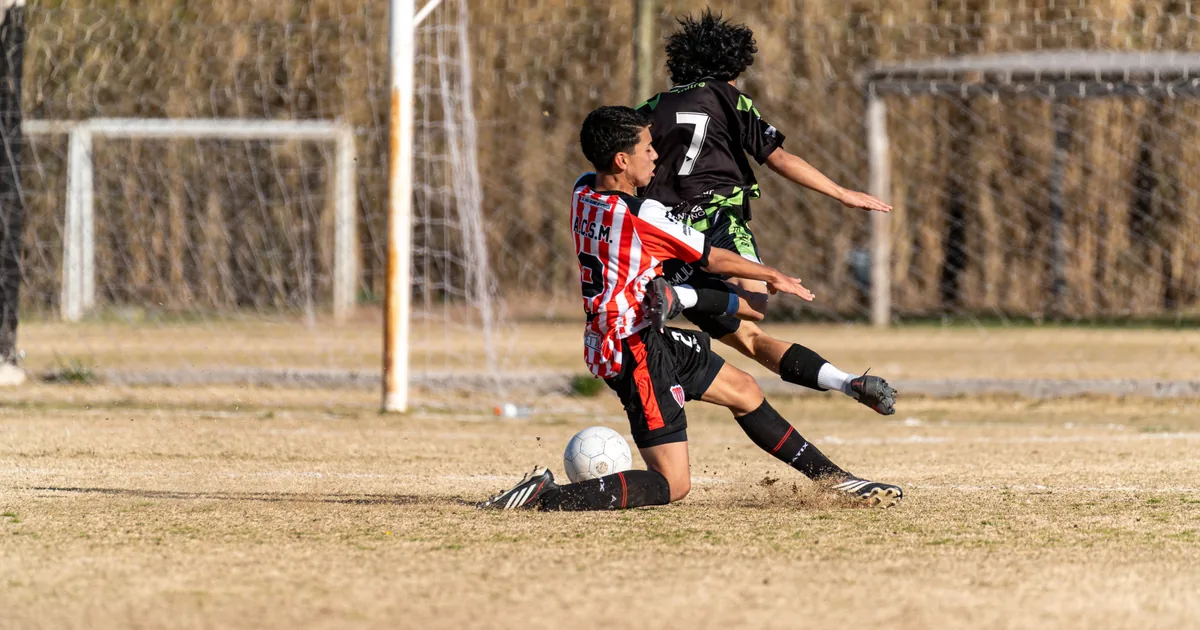
Both, and set the package so that most parents choose it. A single download at $10 to $15 is the anchor; the real product is every photo of one player for $40 to $75. A soccer game shot at 1,500 frames culls to 300 to 500 keepers, which is 15 to 30 frames of each starter. At $10 each, no parent buys 20, but at $50 for all of them, a third of the team will.
Price the single image so the package looks obvious, not so the single image sells.
Prints are the easy add on: an 8x10 of the goal at $25 to $35. If you are setting up a print menu for the first time, the logic from galleries that sell prints carries over.
Sorting by player is the work that makes the package sell. Tag by jersey number as you cull, or split the gallery into one folder per player, so a parent finds their kid in ten seconds rather than scrolling 400 frames of other people's children.
Why does turnaround decide what you sell?
Because sales collapse after 48 hours. Parents buy while the game is still being talked about at dinner and on the team group chat. A gallery that goes live the same night sells several times more than the same gallery five days later.
Shoot raw plus small JPEG, cull at the venue or on the drive home, and put the first 50 frames up that evening with the rest following within 24 hours. Then set an expiry of 14 to 30 days and say it out loud: "The gallery closes on the 20th." A deadline is the only follow up most parents respond to.
What should a school or league contract cover?
The same things as any photography contract, plus three specific to sport:
- Exclusivity: whether you are the only photographer allowed on the sideline, and whether that covers parents with long lenses selling their own shots.
- Access: sideline credentials, the field areas you may stand in, and who to call when a referee moves you.
- Usage: the school or league gets team photos for its website, programme and social media; commercial use by sponsors is licensed separately.
Add the payment terms for the rebate and a cancellation rule for rained out fixtures (rescheduled at no charge, cancelled outright paid at 50 percent).
Do you need a model release to photograph minors at sport?
For selling a family their own child's photo, no. For using a minor's image in your advertising, yes, signed by a parent or guardian. The difference is explained in do you need a model release.
The practical rule is stricter than the legal one. Schools and clubs keep a list of pupils whose parents have refused photography, and UK clubs collect that consent under their safeguarding policy for under 18s. Ask for that list before picture day, keep those children out of public galleries and out of your marketing, and put every gallery behind a PIN rather than on an open page. Add a release checkbox to the picture day order form so the families who agree are on record.
How do parents actually buy from you?
From a link, on their phone, within a day. One gallery per team, or per player when you sell the player package, with the PIN on the league email, the coach's group chat and a printed card handed out at the field. A guest PIN lets grandparents browse and buy from the same gallery without touching anything else.
That is how a gallery on Xposure works: you set a per image price and a full gallery bundle price on each gallery, and parents with the PIN pay into your own connected payment account. Give each player a gallery and the bundle becomes the player package. Run the numbers for your next picture day before the league asks for a quote, and decide the commission before they do.