A realistic figure to start taking paid work is $2,500 to $6,000, and the part that surprises people is that roughly a third of it has nothing to do with cameras. Insurance, a website, a contract, and a delivery platform are not optional extras; they are the difference between a photography business and an expensive hobby that occasionally gets paid.
You can start at the bottom of that range with used gear. You cannot start meaningfully below it, and the photographers who try usually spend more in the end by buying twice.
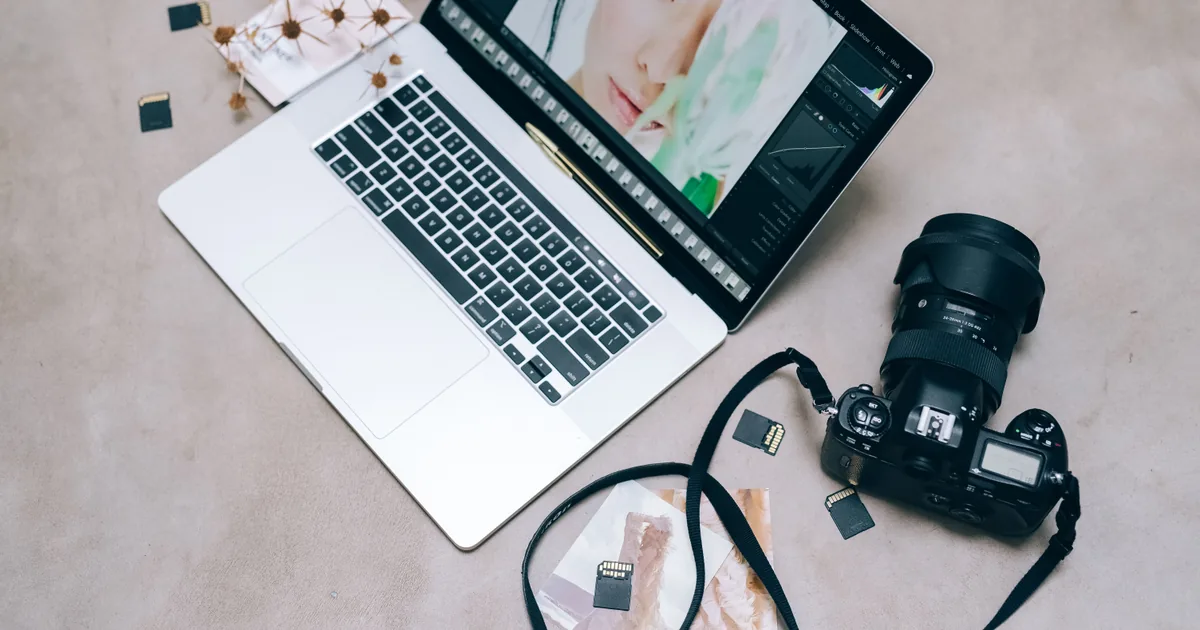
The camera side: $1,500 to $3,500
Buy used. Camera bodies depreciate hard and a three year old professional body outperforms a new entry level one at the same price.
A working kit:
- Camera body, used: $800 to $1,500. Buy one generation behind current.
- Second body: $500 to $800 used. Not optional for weddings, where a failure mid-ceremony has no recovery. Skip it initially for portraits and add it before your first wedding booking.
- Two lenses: $600 to $1,400. A fast standard zoom or a 35mm and 85mm prime pair. Glass holds value far better than bodies, so this is where to spend.
- Memory cards: $80 to $150 for four decent cards, and buy from a real retailer, since counterfeit cards are common and fail at the worst moment.
- Batteries: $100 for four, including third party ones for spares.
- Bag: $100 to $200.
- Flash and stand: $200 to $400 for a speedlight, trigger, stand, and umbrella.
- Tripod: $120 to $250, and buy once.
That is $2,500 at the top end and about $1,500 if you shop patiently on the used market. Rent anything you need once rather than buying it: a 70-200mm for a single event costs $60 for a weekend against $1,200 to own.
What to skip at the start: a drone, a gimbal, a second flash, a laptop upgrade, and any lens longer than 200mm. All of those get bought before they are needed and sold at a loss eighteen months later.
The business side: $700 to $2,000 in year one
This is the part beginners underestimate, and it is where the actual protection lives.
- Public liability and equipment insurance: $300 to $700 a year. Not optional. Most wedding venues will not let you work without public liability cover, and your home contents policy does not cover equipment used commercially. This is the single most important line in this list, and what each type of policy actually covers is worth understanding before you buy the cheapest one.
- Business registration: $0 to $300 depending on country and structure. Sole trader registration is usually free; a limited company costs a small fee.
- Contract template, reviewed by a lawyer: $200 to $500 once. You can start from a template and pay for a single review, which is the cost-effective route. A contract you never had reviewed is worth less than you think when you need it.
- Accounting software: $10 to $25 a month, or a spreadsheet for free at the start.
- Website: $0 to $400 a year depending on platform, plus $15 for a domain.
- Editing software: $120 a year for the Lightroom and Photoshop plan, or free if you start with one of the open source alternatives.
- Client gallery and delivery: $0 to $250 a year. Free tiers exist and are genuinely usable at low volume.
Add it up and the business layer is $700 at the lean end and around $2,000 if you pay for everything properly in year one.
The costs that arrive after you start
Three things catch people out in the first twelve months.

Storage grows faster than you expect. A year of wedding work is several terabytes. Two external drives plus a cloud backup is $200 to $400 in year one and recurring after that. This is not a place to economise, because losing a client's files ends a business faster than any other single event.
Tax on money you have already spent. Retainers taken in autumn for next summer's weddings count as income in the year you receive them in many jurisdictions. Set aside a percentage of everything from the first payment, in a separate account, and talk to an accountant before your first full year ends.
Replacement, not just purchase. Shutters wear out, cards fail, bags tear. A sensible rule is to put aside 10 percent of revenue for equipment replacement from the start, rather than discovering that a dead body means a credit card.
What you do not need to buy
Being clear about this saves more money than any discount:
- A studio. Rent by the hour at $25 to $60 when a job needs one, or use a spare room for headshots and small product work. Signing a lease before you have recurring demand is how photographers end up with a fixed cost that outlives the business.
- A new camera. Nobody has ever hired a photographer because of the sensor.
- Presets and courses, beyond one or two. The marketing budget in that industry vastly exceeds its usefulness.
- A logo designed by an agency. A clean wordmark in a good typeface is fine for two years.
- Business cards in quantity. Order fifty, not a thousand.
Starting lean, in order
If $2,500 is not available today, the order to buy in:
- One used body, one lens, two cards, two batteries. Around $1,200.
- Insurance. Before the first paid job, not after.
- A contract. Before the first paid job.
- A free client gallery tier and a one page website.
- A second lens, once you know which focal length you keep reaching for.
- A second body, before your first wedding.
- Flash, once a job has actually required it.
Steps two and three are the ones people postpone and should not. They cost a few hundred and they are what stands between a bad day and a bad year.
Do the arithmetic on getting it back
The useful question is not what it costs but how many sessions pay for it. At a $350 portrait session, a $3,500 setup is ten sessions. At a $2,000 wedding, it is two.
It is also the arithmetic that belongs on a one page business plan rather than in your head, especially if you are starting this around a full time job and buying the kit out of a salary.
That maths is only honest if your pricing covers the running costs as well as the gear, which is where most new photographers get it wrong: they price against other beginners, cover their time badly, and discover the equipment fund never refills. Work out what a session actually needs to cost before you set your first price list, and build the replacement fund into it from the first booking rather than the fiftieth.