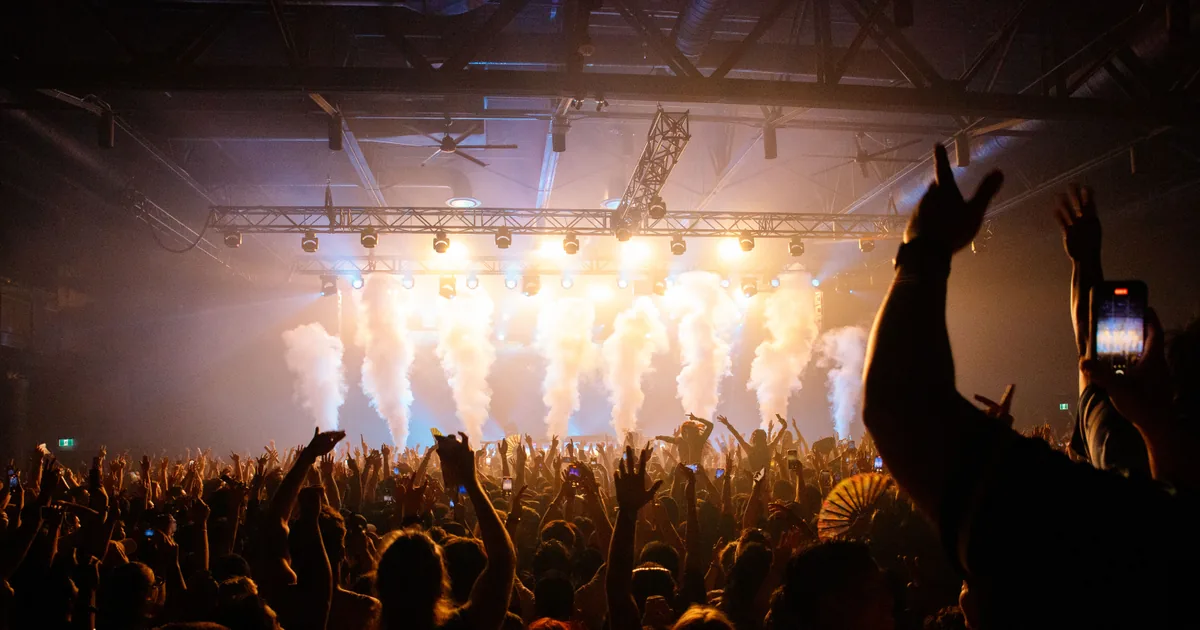
A local or unsigned band hiring you to shoot one gig should pay $150 to $400 in the US and £100 to £250 in the UK for a full set with 30 to 60 edited images. Venues and promoters pay a house photographer $150 to $300 a night. Established acts hiring you directly pay $300 to $1,000 a show (roughly £300 to £700 in the UK), and tour photography is quoted by the week at $500 to $1,500, more for big artists.
The catch is that most of the concert photography people see was not paid for at all. A photo pass from a magazine or blog gets you in the pit, and the publication pays little or nothing. Know which kind of job you are pricing before you name a number, because the money is in work commissioned by the artist, not in passes.
How much should you charge a band to shoot their gig?
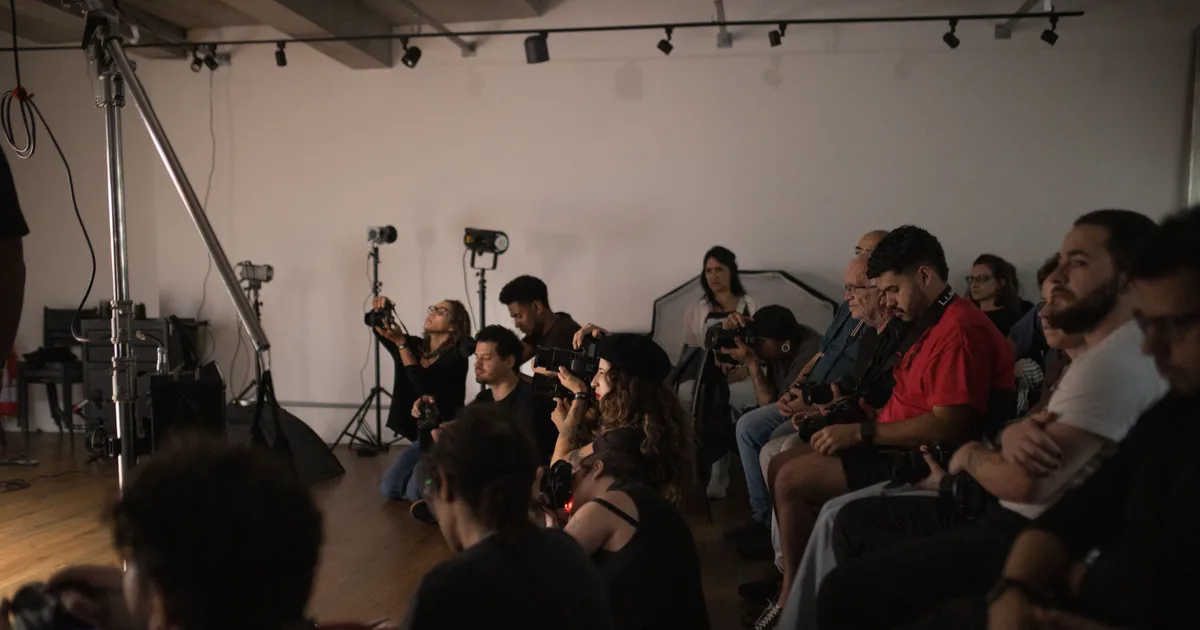
Price it as a short event plus a fast edit. A two hour gig with an hour of setup and soundcheck is three hours of your evening, then two to four hours of culling and editing a set with red stage light and moving subjects.
A workable local menu:
- Single set, up to 45 minutes: $150 to $250 (£100 to £175), 25 to 40 edited images, delivered within five days.
- Full show with soundcheck and backstage: $300 to $500 (£200 to £350), 40 to 80 images, three or four selects within 24 hours for social.
- Gig plus a 30 minute promo shoot before doors: add $150 to $300. Bands need press shots more than live ones, and this is the cheapest time to get them.
Plenty of local bands cannot pay this, and that is a real constraint, not a negotiating trick. Offer a smaller set (10 edited images) at a lower price rather than shooting free. Free work for bands rarely turns into paid work for the same band.
What do venues, promoters and festivals pay?
Venues and promoters book a house photographer for listings, social and sponsor reports. Expect $150 to $300 a night, sometimes per set for a multi-band bill. Festivals pay $150 to $300 a day for crowd and stage coverage at the low end, and more for official photographers with sponsor deliverables.
These rates are low per hour but come in volume. A venue that books you twice a month is a predictable $3,600 to $7,200 a year. Negotiate two things the rate card does not show: a turnaround you can actually meet (next morning, not same night) and a clear licence so the venue cannot pass your images to the touring artist for free.
How much do magazines and blogs pay for concert photos?
Often nothing. Many music blogs and smaller magazines arrange the photo pass and pay in access and a credit. Larger print titles pay per image, roughly $100 to $200 for print use and $50 to $100 for online. Online usage of live shots can pay very little, and syndicated live images of famous acts sometimes license for a few pounds.
Treat editorial passes as portfolio building and a way into the pit, not income. The skills that earn you the shot in the first three songs are covered in concert photography settings. The income comes when the band or their team sees those images and hires you directly.
How should you price tour photography?
By the week, with travel, accommodation and per diems paid by the artist. Rates run from about $500 a week for a small tour to $1,000 to $1,500 for a mid size act, and higher for established artists, where the number is rarely public. If the artist also wants short video for social every night, that is a second job and is priced on top.
Agree the daily deliverable up front: how many images a night, by what time, and in what crops. A tour photographer who posts by midnight every night is worth more than one who delivers a beautiful set a week after the tour ends. Ask whether rest days are paid. They should be, at a reduced day rate, because you cannot take other work from a hotel in another city.
What licence should a band get with their gig photos?
Promotion and personal use: their website, social media, press kits, gig listings and streaming platforms, credited where practical. That is what a band expects, and it is fair to include in the fee.
Quote separately for:
- Merchandise: a T-shirt or poster is a product sold for profit. Charge a licence per item or a share of the run, priced like commercial work.
- Album and single artwork: cover use is the most valuable placement an image gets. Quote it as a separate licence, not a favour.
- Label and sponsor use: a label buying in images is a new client.
The general approach to pricing these is in photography usage rights. Put the line "Photographer retains copyright. Credit required on editorial use" in every gig contract.
How many photos should you deliver from a gig?
Fewer than you think. 30 to 60 edited images from a full set is plenty for a band, and 15 to 25 for a single support act. Bands share the best five; a gallery of 300 near-identical frames makes the set look worse. Check your counts against the photos per session calculator.
Speed matters more than volume. Send three or four strong selects the morning after, while the band is still posting about the show, then the full gallery within a week. Name the turnaround in the quote so nobody chases you at 2am.
Can you sell concert photos to fans?
Only with care. Selling prints of a performer can raise right of publicity and trademark questions that vary by country and state, and many artists, venues and photo pass agreements forbid it outright, so check the pass terms and local rules first. If the band hired you, you can agree a split: you sell prints to their fans from a gallery and they get a cut or a free set.
That arrangement only works if the band agrees in writing first. When it does, sell prints from the gallery at prices you set, and check every order before it goes to the lab.
Before your next gig, write a three line quote: what you will shoot, how many images by when, and what the band may use them for. Send it before the show, not after, and get the fee or a deposit before you load in.