Photography has a gear acquisition problem, and it is not only lenses. It is software. There is a subscription for everything now, and it is easy to end up paying monthly for eight tools you half-use while your workflow is still slow and scattered. A working photographer really needs a fairly short list, and getting that list right matters more than owning every plugin on the market.
Here is the lean version that covers the real jobs, editing, culling, delivery, and the business side, without bleeding your income dry.
The editor is the one place not to cut corners
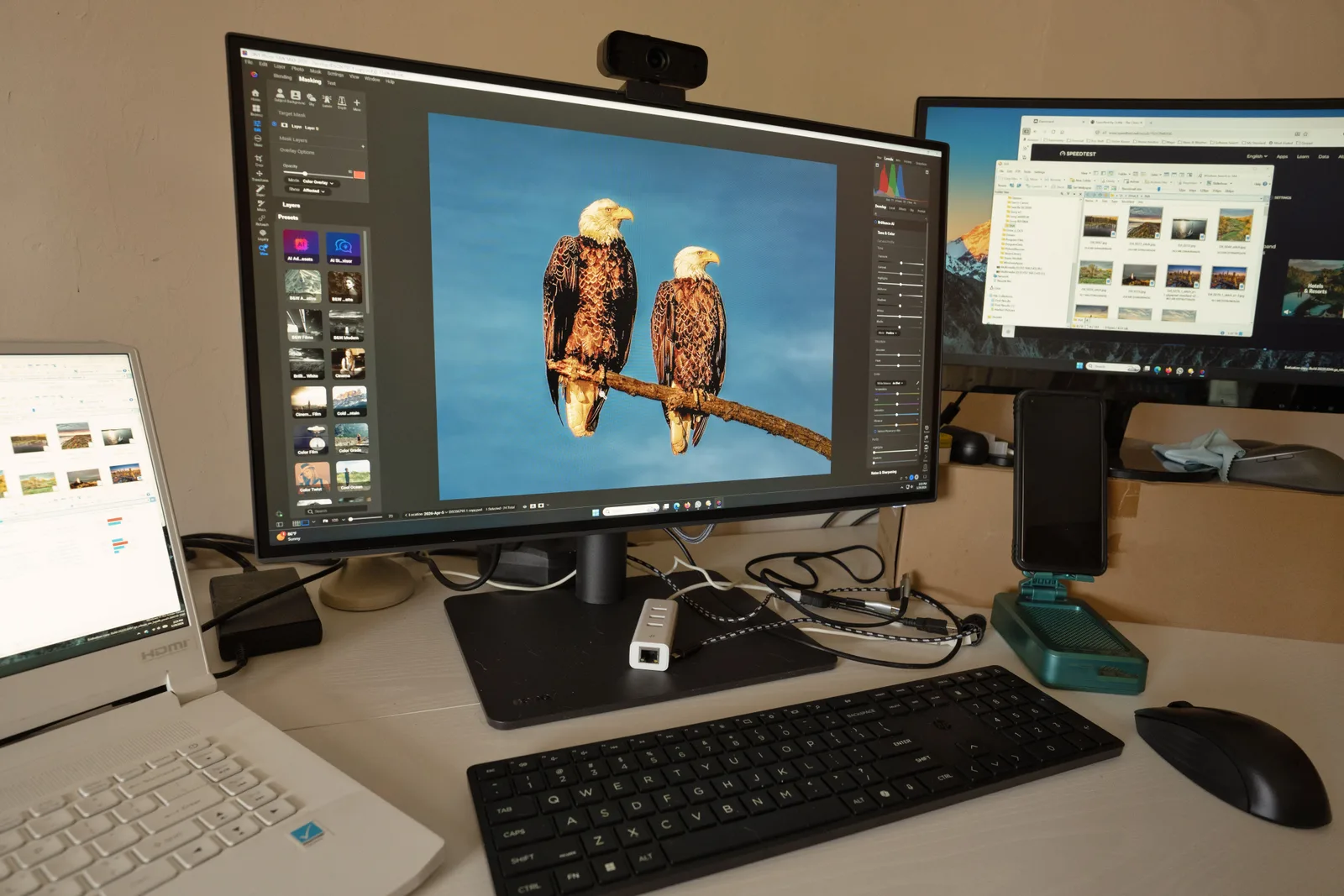
Everything starts with a RAW editor, and it is where you live, so this is not the place to economize. The two names that dominate professional work are Lightroom, which doubles as a library and organizer, and Capture One, favored by many for its color and tethering. Both are excellent, and the right one is mostly taste and which library system you prefer.
Lightroom is the default for good reasons: it edits and organizes in one place, syncs across devices, and sits inside the largest ecosystem of presets and tutorials. Capture One is beloved by studio and commercial shooters for its color rendering and tethered capture, at the cost of a steeper learning curve. Whichever you pick, commit. Fluency in one editor beats dabbling in three, because the speed comes from muscle memory, not from features. Your editing pace is a skill, not a purchase.
A culling tool, if your volume demands one
If you shoot high-volume work, weddings and events with thousands of frames, a dedicated culling tool earns its keep fast. These apps do one thing, help you pick keepers, much faster than scrolling in your editor, often with quick previews and sharpness detection. Shaving an hour off every wedding is a week of your life back over a busy year.
If you shoot low volume, you may not need one at all, and your editor's own flagging is plenty. Match the tool to your workload rather than buying what the high-volume shooters buy.
Gallery delivery: stop emailing files
The moment you have paying clients, emailing zipped folders or sharing raw cloud links becomes a liability. It looks unprofessional, it breaks on large files, and it hands the client a clumsy experience at the emotional peak of the whole job, seeing their photos. A proper delivery tool gives them a private link they can view on any device, download in full resolution, and share with family, and it keeps the finished work on reliable storage instead of only on a client's phone.
This is one of the highest-impact upgrades a new professional can make, because delivery is the last impression you leave and the one they show their friends. A platform like Xposure folds it into the same place as your portfolio and booking, so delivery stops being a separate tool you bolt on.
The unglamorous business layer
The boring software is what keeps you from working for free: a way to send contracts and get them signed, take deposits and payments, and track what you are owed. Some photographers run these as separate tools, invoicing here, contracts there, scheduling somewhere else; others prefer one flow so a client can say yes, sign, and pay without leaving the page. Fewer tools means fewer logins and fewer seams where a booking slips through. However you do it, do not leave this layer to email and good intentions. The business side is where amateurs stay amateurs.
Backup that runs itself
Backup is not optional, and the best backup tool is the one you never have to think about. You want something copying your photos to a second drive and to off-site cloud storage automatically, in the background, without depending on you remembering at the end of a long shoot. This is insurance, and on the day you need it you will not care what it cost.
The trap is always the next plugin, the next preset pack, the next app promising to transform your workflow. Most of it is a distraction from getting fluent in the few tools that matter. A strong editor, a culling tool if your volume needs it, a real delivery solution, a business layer, and automatic backup is a complete professional kit. The photographer with five tools they know cold will outwork the one with twenty they barely understand, every time.
Two follow-ups if you are assembling that kit from scratch: the phone half of it is covered in the apps worth keeping installed, and if the subscription is the part you are resisting, the free raw editors are genuinely usable now, with two specific exceptions worth knowing before you cancel anything.
All of that assumes you know which kind of work you are equipping for. If you are still deciding, choosing a niche on evidence rather than instinct comes before the tool list, because a real estate workflow and a wedding workflow share almost nothing.