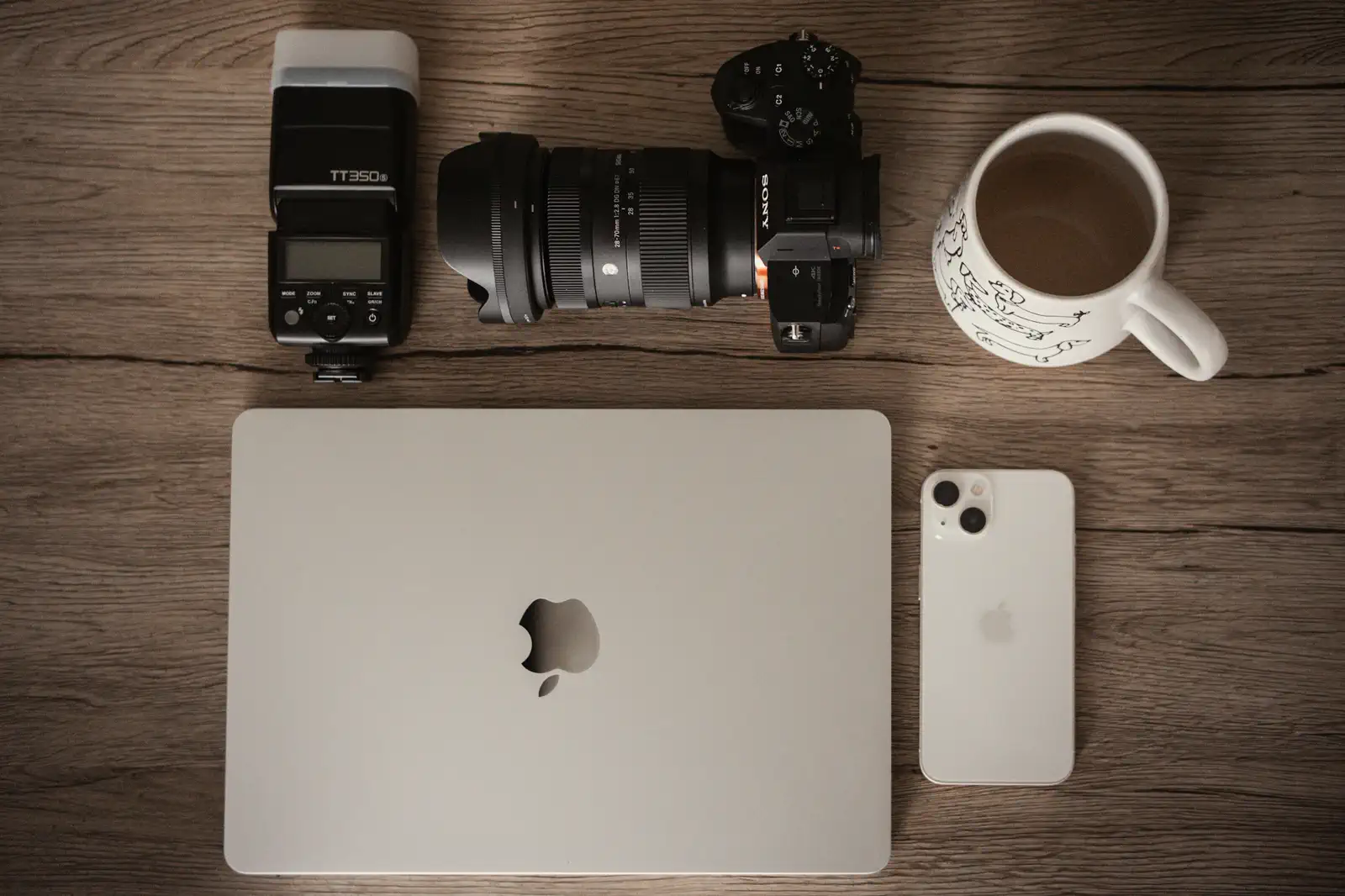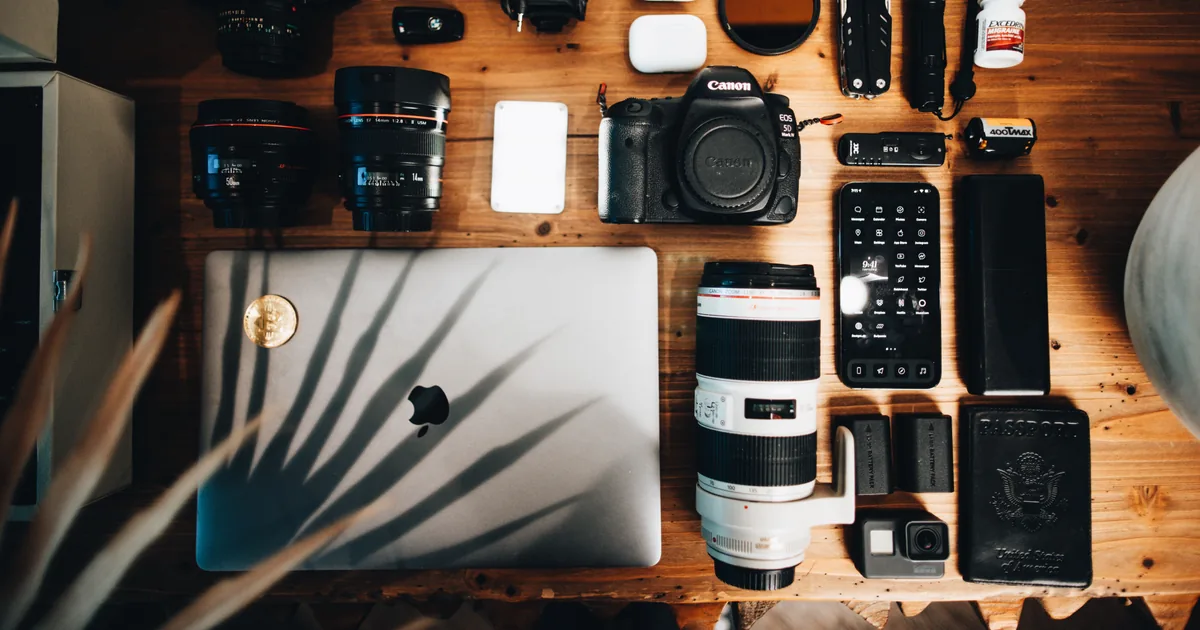
Most photographers own three camera bags and use one. The reason is that bags get bought for the kit rather than for the job, and the job is what determines whether a bag is any good: how often you open it, whether you carry it for eight hours, and whether it needs to look like a camera bag or specifically must not.
Here is how to pick by job.
Match the bag to the shooting, not the gear list
Weddings and events. You need to change lenses fast, one-handed, without putting the bag on the floor. A shoulder bag or a belt system wins. A backpack means taking it off, crouching, and missing the moment, which is why almost nobody shoots a wedding out of a backpack.
Travel and landscape. Weight distribution matters more than access. A backpack, and one that fits airline cabin dimensions if you fly with it.
Portrait and family sessions. You are working from a fixed spot with two lenses. Almost anything works. A sling or a small shoulder bag keeps it light.
Studio and product. A hard case or a roller, because the gear lives in it between jobs and gets loaded into a car rather than carried.
Street. Something that does not look like a camera bag at all. A plain canvas messenger with an insert is the standard answer, for both discretion and theft.
The features that actually matter on a working day
- Opening against your back, on a backpack, so the panel that touches your spine stays clean and cannot be opened while you are wearing it in a crowd.
- Side access, so you can swing a backpack round and pull a body out without taking it off.
- A laptop compartment that is properly padded, and separate, if you carry one.
- A rain cover, built in and attached. The detachable ones get lost.
- Water bottle pockets on the outside, which sounds trivial until you have spent a summer wedding with nowhere to put a drink.
- Tripod attachment on the side, not the centre back, because a tripod on the centre of a backpack pulls you off balance all day.
- Dividers that hold their shape. Cheap dividers collapse and your lenses bang together.
- A quiet zip, if you shoot ceremonies. This is a real consideration and photographers only learn it in a silent church.
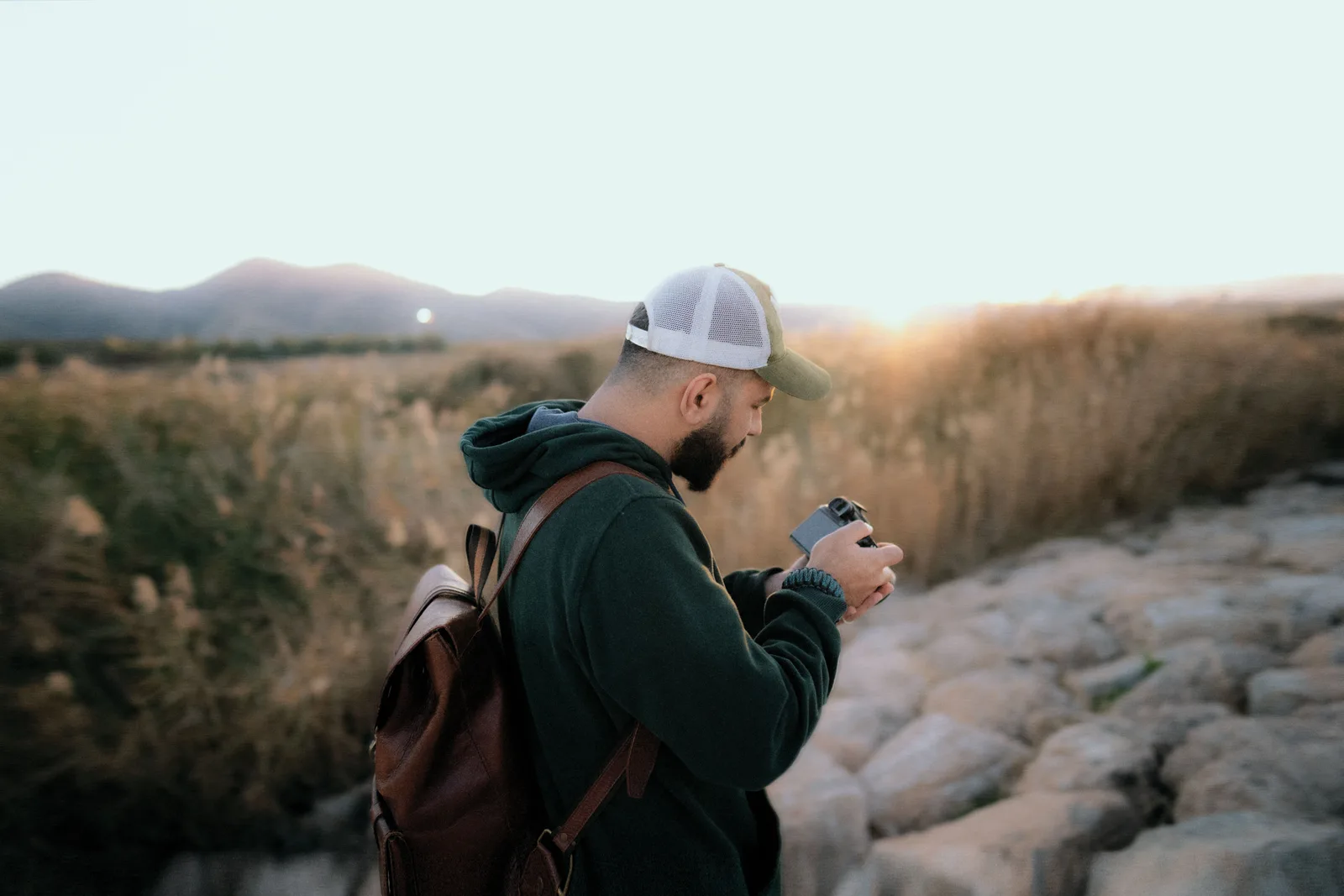
Weight is the specification nobody checks
An empty professional backpack can weigh two kilos before you put anything in it. Two bodies, three lenses, and a flash is another five or six. Carrying eight kilos for ten hours at a wedding is a physical job, and photographers routinely end up in physiotherapy for exactly this reason.
Buy the smallest bag that fits the kit you actually carry, not the kit you own. The forcing function is useful: a bag that holds two bodies and three lenses stops you bringing a fourth lens you will not use, and the difference at hour eight of a wedding day is significant.
If you carry heavy loads regularly, a belt-and-harness system that puts weight on the hips rather than the shoulders is worth the money and the slightly awkward look.
Discretion, and the theft question
A bag with a manufacturer's logo across it announces several thousand in equipment to everyone on the street. In cities where camera theft is common, and that includes several of the most photogenic places in Europe, that matters.
Plain bags with removable padded inserts solve this well. You can put an insert into any rucksack or holdall and have a functional camera bag that reads as luggage.
The other rule: a bag left under a table at a reception is not insured in most policies, since unattended equipment is a standard exclusion, and that is worth reading in your policy before it matters.
Airline travel
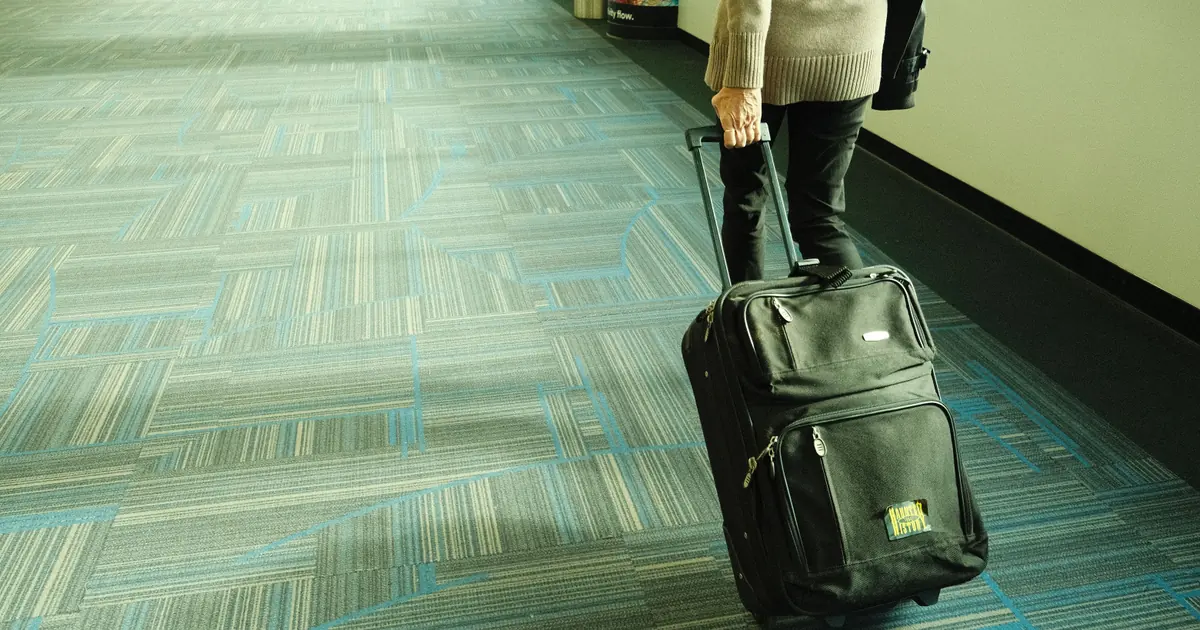
If you fly with gear, the only rule that counts is that the bodies and lenses go in the cabin. Checked camera equipment is frequently excluded from insurance cover and it is genuinely at risk.
Check the specific carrier's cabin dimensions before buying a bag rather than trusting a manufacturer's claim that it is cabin compatible, since budget airlines have smaller limits than most bags are designed for. Wearing a jacket with big pockets on boarding day is an old and effective trick when the bag is weighed.
The realistic answer: two bags
Most working photographers end up with:
A large backpack for transporting everything to a job, which lives in the car or the hotel room and is never worn while shooting.
A small shoulder bag or belt setup worn on the day, holding the one spare lens, spare cards, spare batteries, and a cloth.
That combination costs less than one very expensive do-everything bag and works better, because no single bag is good at both carrying eight kilos comfortably and giving you a lens in two seconds.
What goes in it, permanently
Regardless of the bag, these live in it and never come out:
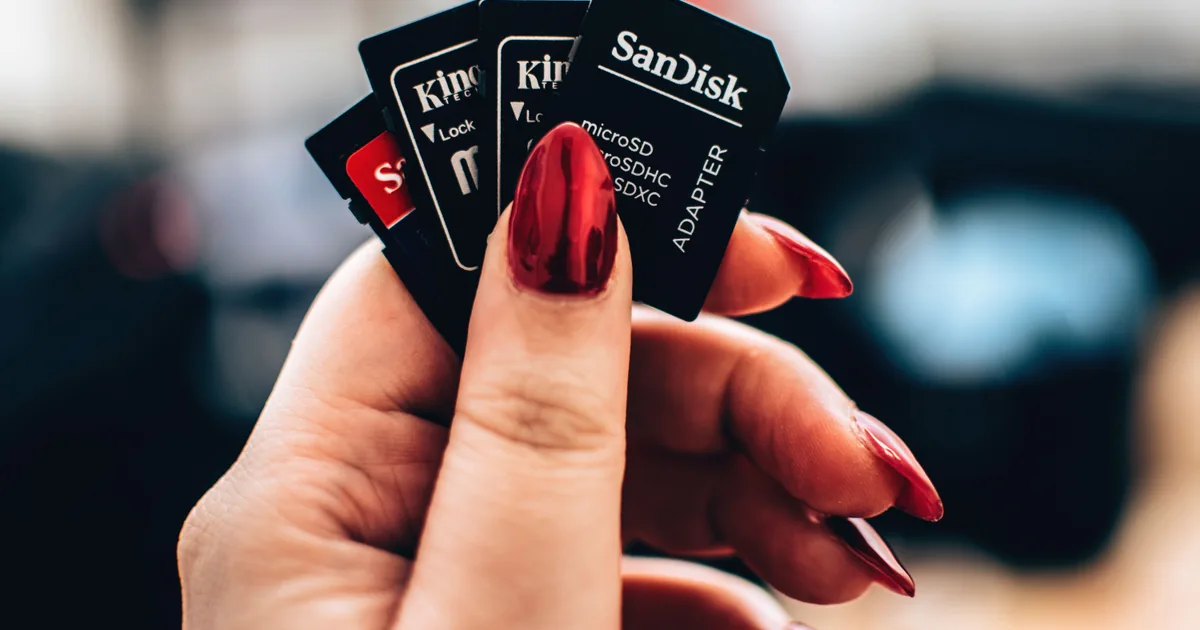
- Spare batteries, charged, and a spare set of cards
- A microfibre cloth and a blower
- A rain cover or a plastic bag
- Gaffer tape wrapped around a pen
- A small torch
- Painkillers and plasters
That list is half of the pre-shoot checklist already done for you, and the point of keeping it in the bag permanently is that it survives the mornings when you leave in a hurry.
The one journey that overrides every preference above is a flight, where the cabin weight limit and the rule that batteries can never travel in the hold decide which bag you take.