Two rules cover most of it. Every lithium battery you own must travel in the cabin, and the bag they travel in is probably over your airline's weight limit. Everything else is a variation on those two problems.
The stakes are higher than for a holidaymaker. If your bag goes in the hold and does not arrive, a client's wedding happens without you, and no insurance policy buys back that Saturday. So the working assumption is that everything you cannot shoot without goes in the cabin, and everything else is expendable.
Batteries: the rule that is not negotiable
Lithium ion batteries are prohibited in checked baggage on effectively every airline, worldwide. This is a fire safety rule, not a policy that varies by carrier, and it applies to camera batteries, drone batteries, power banks, and the battery in your flash trigger.
The capacity limits, which are the part people get wrong:
- Under 100Wh: no limit on quantity for personal use, no approval needed. Every mirrorless and DSLR battery is comfortably in this range. A Sony NP-FZ100 is about 16Wh, a Canon LP-E6NH about 15Wh.
- 100 to 160Wh: two spares maximum, and many airlines want prior approval. This is where larger drone batteries and big power banks live.
- Over 160Wh: not allowed as passenger baggage at all. Some cinema batteries fall here, which is a genuine problem for video shooters.
Practical habits that prevent the awkward conversation: tape over the contacts of every loose battery with gaffer tape, or keep each in its own plastic case. Airlines are entitled to insist on this and some check. Carry them in a single pouch rather than scattered through the bag, so if you are asked, you can produce them in one motion instead of unpacking everything at the gate.
If you have batteries in the 100 to 160Wh range, print the specification sheet and keep it in the bag. Gate staff are looking for a number, and a printed page ends the discussion faster than an argument about it.
Get the bag under the weight limit, or handle it differently
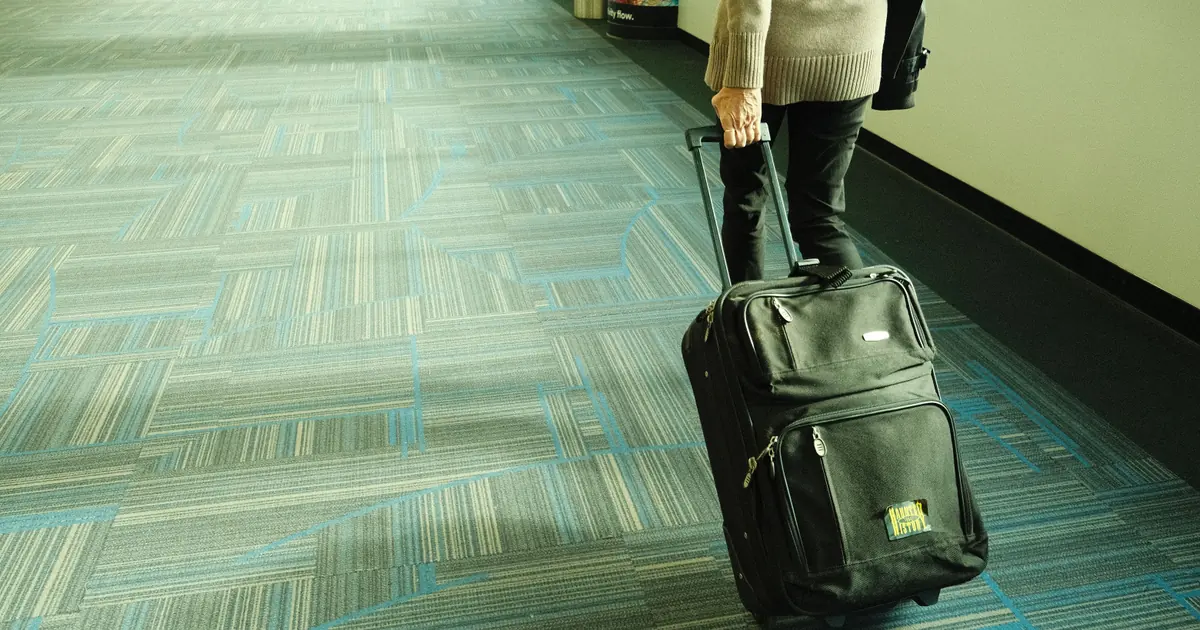
Cabin allowances are typically 7 to 10kg on European and Asian carriers and are weighed far more often than on US domestic routes, where the limit is usually about size rather than weight. Two bodies, three lenses, a laptop, and chargers is easily 12kg.
Options, roughly in order of how well they work:
- Wear the weight. A jacket with deep pockets holds two lenses and all your batteries. Bag gets weighed, jacket does not. This is unglamorous and it works on every airline.
- Use the personal item. Most fares include a small bag as well as the cabin bag. A body and a lens live there.
- Buy the extra cabin allowance on the fare that offers it. Often cheaper than the excess baggage fee and considerably cheaper than replacing a lens.
- Ship ahead for long multi-day jobs to a hotel that will accept it. Common for commercial work, rarely worth it for a single wedding.
Whatever you do, the bag must physically fit the sizer if asked. A rolling case that is 2cm too deep gets gate checked, which is precisely the outcome you are trying to avoid, and at that point your batteries have to come out on the jetbridge in front of a queue.
What goes in the hold
Anything you could rent, buy, or work without at the destination:
- Light stands, tripods, umbrellas, C-stands. Tripods over about 60cm may not be allowed in the cabin anyway, and a monopod is frequently refused.
- Modifiers, clamps, sandbags, gaffer tape.
- Chargers, if you have a spare, and cables.
- Clothes, which double as padding around the hard case.
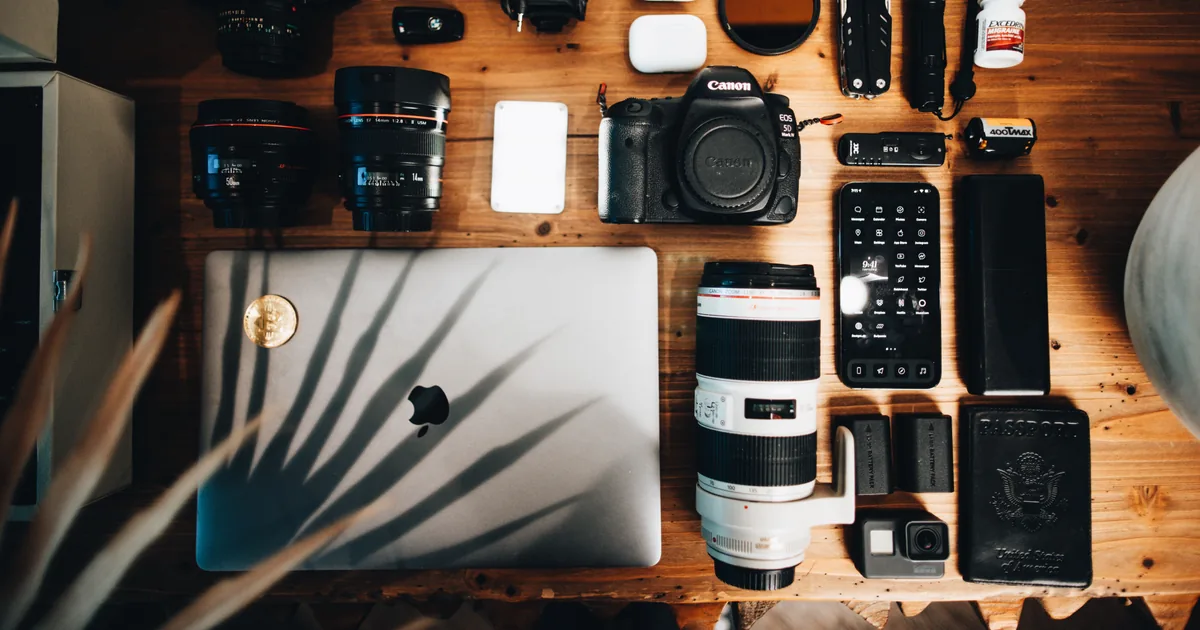
Anything with a lithium battery, and anything that ends your job if it goes missing, stays with you. That normally means two bodies, the lenses you cannot shoot without, cards, batteries, and your laptop.
Cards and backups do not travel together
Once you are shooting on the trip, the exposed cards and any backup drive travel in different bags on different bodies. Not both in the camera bag. If one bag is stolen from a car or left on a train, the job survives.
Better still, back up to a drive and to the cloud before you leave the venue city if the connection allows, so the images exist somewhere that is not on the same continent as you. A destination wedding is exactly the situation the 3-2-1 backup rule exists for, and it is also the situation where people abandon it because they are tired and the hotel wifi is slow.
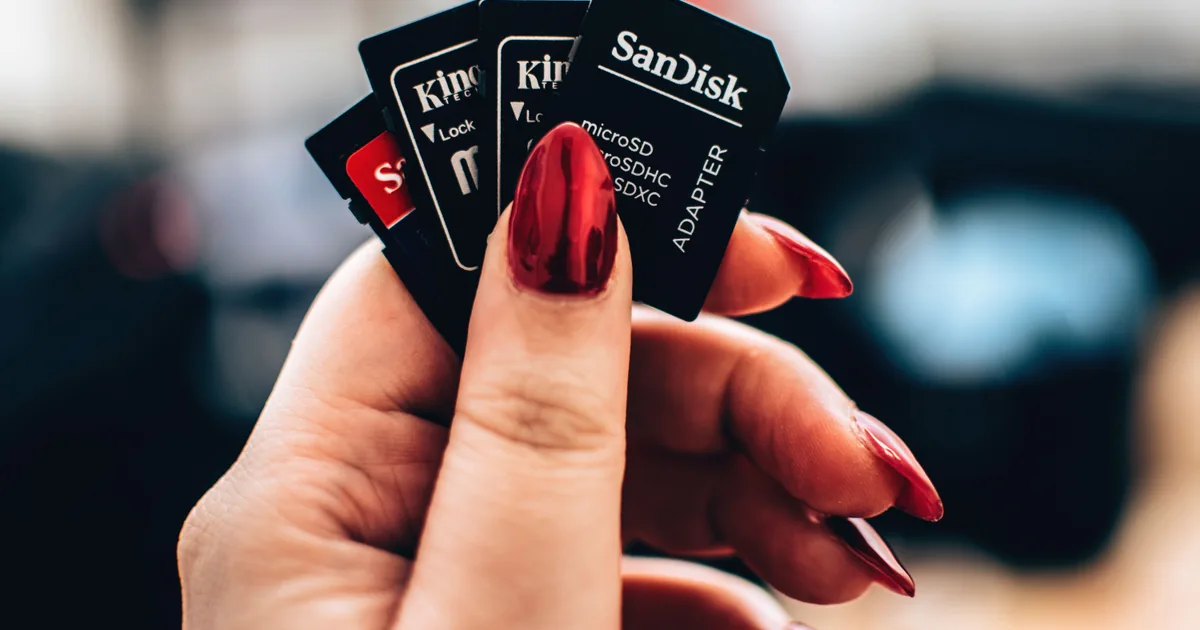
Format nothing until you are home and have verified the files. Buy more cards instead. Cards are cheaper than reshoots, and the card habits that prevent losses matter more on the road than at home.
Security, x-ray, and the film exception
Digital gear is unaffected by airport x-ray. Modern scanners do not harm sensors, memory cards, or lens elements, and the advice to hand-check digital cards is folklore. Send it through the machine.
Film is different, and materially so. CT scanners, the newer machines used for carry-on baggage in an increasing number of airports, damage undeveloped film at any speed on a single pass. Ask for a hand check, arrive early enough that there is time for one, and keep film out of the checked bag entirely, where the scanners are considerably stronger.
Expect to be asked to remove the laptop and sometimes the camera bodies. Packing so that the laptop comes out without dismantling the bag saves five minutes and a lot of irritation at a busy checkpoint.
Customs, carnets, and proving the gear is yours
Flying into another country with $12,000 of equipment occasionally attracts attention, particularly if you are visibly a working professional and the officer suspects you intend to sell it or work locally without a permit.
For most single-country trips within Europe, or into the US or UK, walking through with a normal working kit is unremarkable. For higher-value kits, longer trips, or countries known for strict enforcement, two things help:
- A gear list with serial numbers, printed, showing what you brought in. This also proves ownership on the way home.
- An ATA carnet for large commercial shoots, which is a customs document that temporarily admits equipment without duty. It costs a few hundred and takes a week or two to arrange, so it is a plan, not a fix.
Check your insurance covers the countries you are flying to before you go. Many policies are territorially limited by default, and an equipment policy that stops at your national border is not much use in Italy, which is one of the details photography insurance tends to bury in the schedule rather than the summary.
The night before
A five minute routine that prevents most airport problems: batteries charged and taped into one pouch, cards formatted and in the wallet, the cabin bag weighed on the bathroom scales, the gear list printed, and the tripod in the hold case.
Then, before you leave the hotel at the other end, do it in reverse. The most expensive item most photographers lose on a trip is not stolen. It is a lens hood or a charger left in a room, discovered at 30,000 feet.