Weddings and portraits get the attention, but a lot of working photographers pay their rent with real estate. The shoots are short, the schedule is daylight and predictable, and agents rebook the moment they trust you. There is demand in every town that has houses in it. It also rewards a methodical temperament, which is good news if you would rather nail a repeatable process than chase a fleeting expression.
Here is what matters when you photograph a property, from the two pieces of gear you cannot skip to the workflow that turns one agent into ten.
Two pieces of gear do most of the work
You can shoot real estate with a modest kit, but two things are close to mandatory.
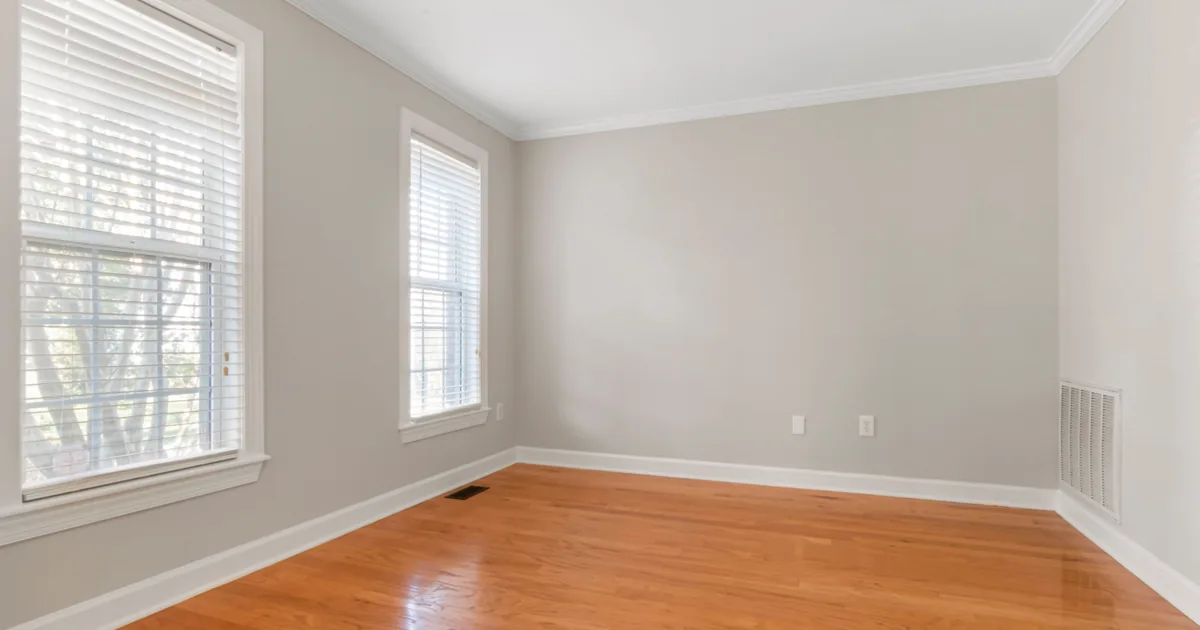
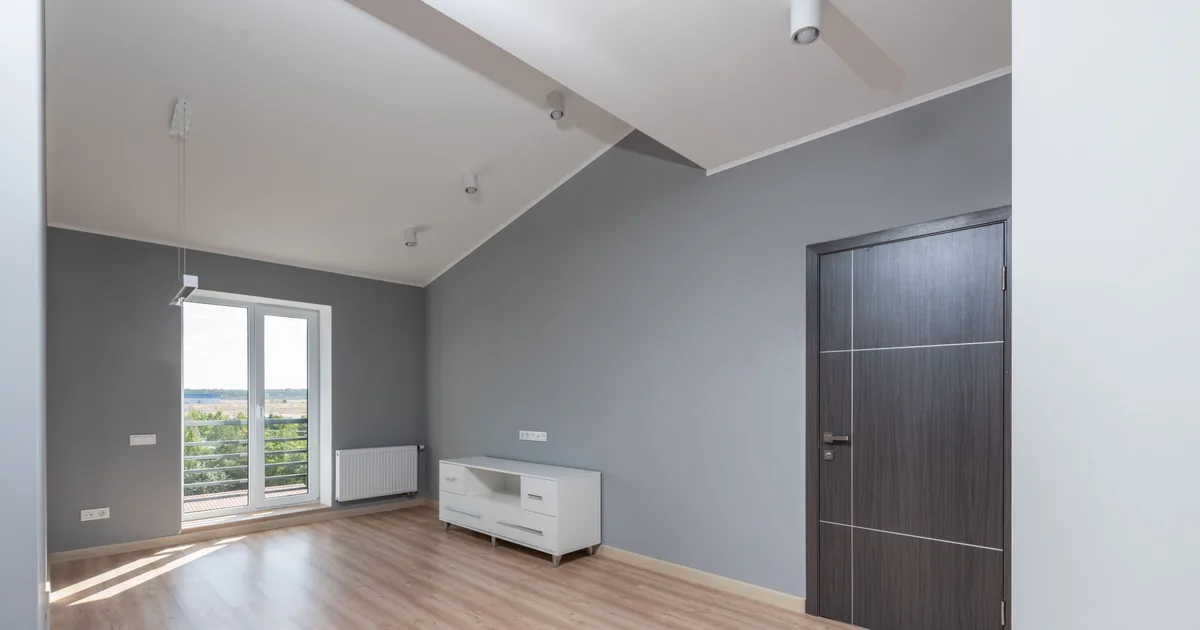
A wide angle lens is the first. Interiors are cramped and you need to convey space, so something in the 16 to 24mm range on full frame is the working zone. Go wider than that and rooms distort into something dishonest, which agents and buyers both dislike.
A sturdy tripod is the second, and it is the piece beginners skip. It lets you shoot at low ISO, keep your verticals straight, and bracket several exposures from an identical position. It also slows you down in the right way, forcing deliberate composition instead of spraying frames and hoping.
Windows are the whole technical problem
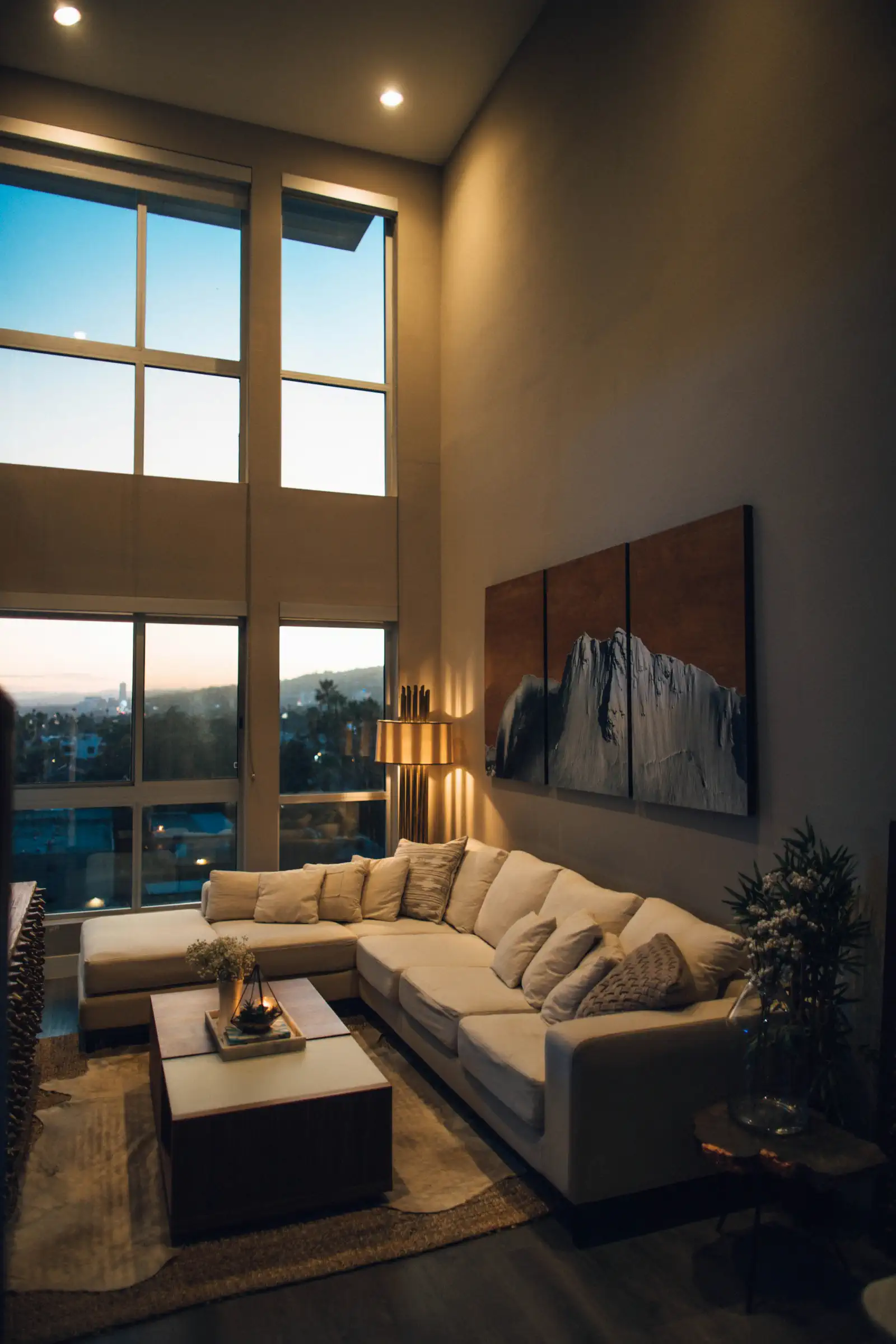
The defining challenge of interior work is dynamic range. Your eye sees the bright window and the darker room at once. Your camera cannot. Expose for the room and the windows blow to white; expose for the windows and the room turns to mud.
The standard answer is bracketing: shoot the same composition at several exposures, from dark enough to hold the view outside to bright enough to open the shadows, then blend them in editing. The tripod is what makes this possible, because every frame has to line up. Shoot RAW, keep ISO low, and pick an aperture around f/8 to f/11 so the room stays sharp front to back. And set white balance on purpose rather than letting it wander, because nothing reads amateur like a living room that is warm and a kitchen that is blue.
Keep the walls straight
The fastest tell of amateur property work is leaning walls. Tilt the camera up or down and vertical lines converge, and the house looks like it is toppling over. Keep the camera level, lean on the bubble level or the electronic level in the viewfinder, and let the ceiling and floor fall where they land. Minor convergence is fixable in post, but getting it right in camera saves you that correction on all thirty frames of a shoot.
Half the job is tidying
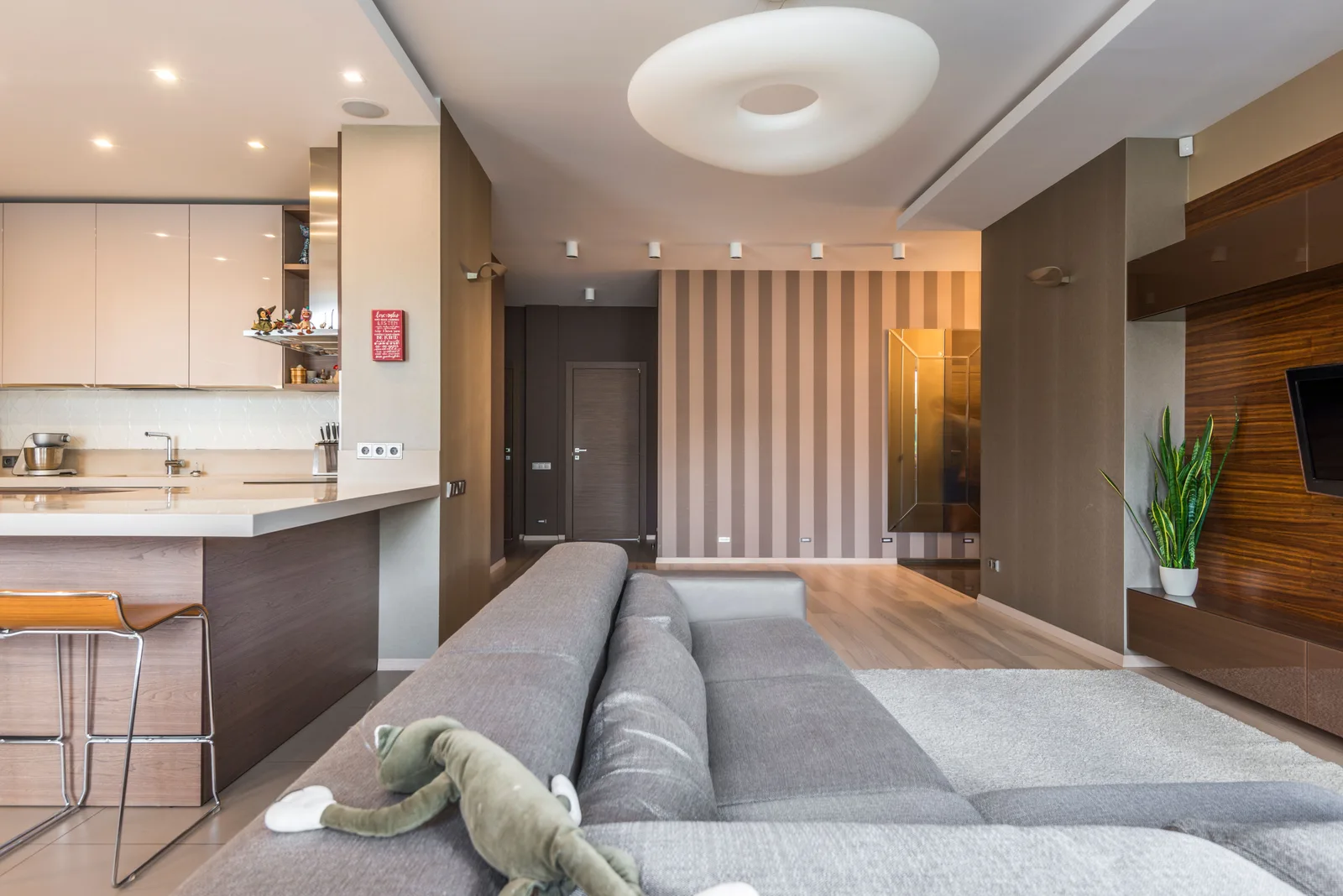
You are selling a feeling of space and calm, and clutter murders it. Before each room, do a pass: lift the blinds to an even height, turn on every light for warmth, hide the bin and the phone chargers and the stray shoes, and switch off ceiling fans so they do not blur. Shoot each main room from the corner that shows the most space, usually a doorway, at about chest height, which tends to make interiors feel more generous than an eye-level shot does. Five minutes of tidying beats an hour of cloning distractions out later.
Speed is the business
Here is the part that turns a one-off shoot into a standing client: agents work on deadlines. A house is often photographed the day before it goes live, so a photographer who delivers a polished gallery inside 24 hours becomes the one they call every single time. A consistent interior editing preset keeps your look uniform and your turnaround fast, which in this field matters as much as artistry.
That deadline pressure is also why real estate compounds. Agents talk to other agents. Do fast, clean, straight-verticals work for one, and their whole office hears your name. Unlike weddings, where every client is a stranger, real estate can grow into a small stable of regulars who feed you steady work all year. Get the fundamentals right and keep your turnaround short, and you will have built the rarest thing in photography: an income you can plan a month around.
The same clients often need product and interior detail shots for their own marketing, and that work pays well for the time it takes. A window, a bounce board, and a tripod is genuinely the whole setup, which makes it the easiest second service to add to a real estate round.
When you are ready to make the shoots faster, the win is a fixed order you follow in every property. The room-by-room shot list is the version that turns a house into a 45 minute job.
If you are coming at this from nothing, the business side has its own path: how to become a real estate photographer covers the kit, the five property portfolio, and how to get the first agents to answer.
The other half of getting this to pay is the price list itself. What to charge per listing, tiered by square footage rather than by hour, is the structure agents book from without asking you for a quote.