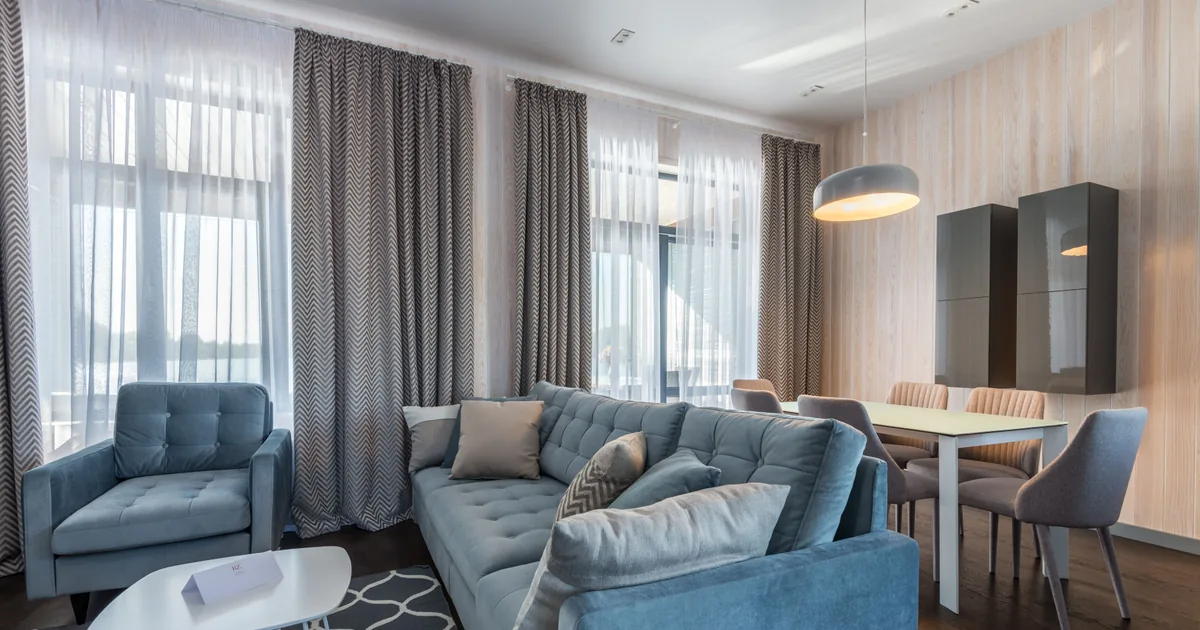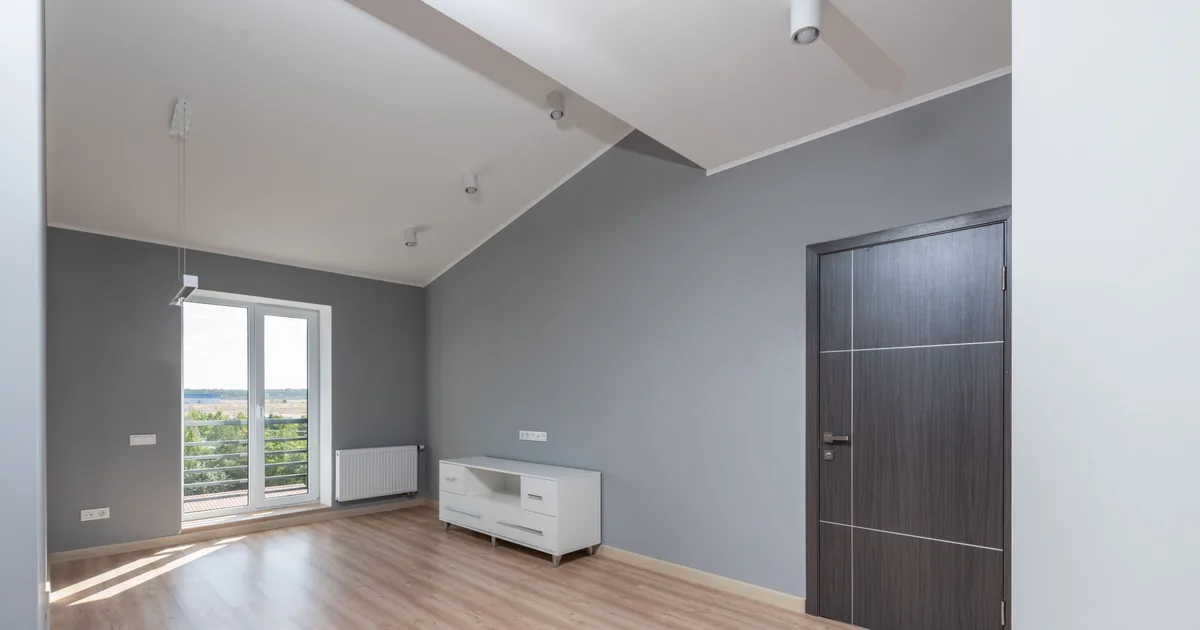
Real estate is the quickest way to get paid for photographs. You can be shooting listings for money inside two months with around $1,800 of gear, no portfolio of paying clients, and no qualifications, because the people hiring you are not buying art. They are buying a marketing asset with a deadline, and the deadline matters to them more than your style does.
The trade-off is that the same low barrier means someone with a phone and a wide angle lens is quoting $99 down the road from you. The photographers who last are the ones who are reliably fast, not the ones who are cheapest, and everything below is organised around that.
What you need to buy, and what you do not
The kit is unglamorous and it is the same for everyone doing this well:
- A wide angle lens. 16-35mm on full frame, 10-18mm on crop. This is the purchase that matters, and the body barely does.
- A sturdy tripod with a level. Every frame in this job is shot on it.
- One flash you can bounce, plus a trigger. Bracketing alone will get you 80 percent of the way, flash gets you the last 20 in dark rooms.
- Extra batteries and a card wallet.
That is it. You do not need a full frame body to start, you do not need a tilt-shift, and you do not need a drone until an agent has asked for aerials twice. Which tripod actually holds up is worth ten minutes of reading, because a cheap one wobbles at the exact moment you are bracketing a five second exposure.
Solve the two technical problems before your first paid listing
Everything difficult about this job is one of two things: windows and verticals.
Windows blow out because the room is four stops darker than the garden. The fix is bracketing three to five frames and blending, or lighting the room with a bounced flash and exposing for outside. Verticals lean because the camera is tilted. The fix is a level tripod at chest height and straight walls in every frame, corrected in Lightroom if you must.
Learn both in your own home over a weekend before you charge anyone. The practical starter guide covers the settings, and the room by room shot list is the checklist to work from on the day, because the failure mode of a first paid shoot is not a bad photo, it is a missing room.
Build a five property portfolio without a single client
Agents want to see interiors, not landscapes, and they want to see the kinds of property they actually list. Five sets is enough:
- Your own home, tidied properly and shot as though it were listed.
- A friend or relative's house, ideally a different style to yours.
- A holiday let or Airbnb, where the owner will usually trade a shoot for images they can use. How to shoot a short let applies almost directly.
- A local café, gym, or salon. Commercial interiors read as competence.
- An empty rental unit. Small letting agents will often hand you the keys to one in exchange for the photos.
Shoot each one to the full shot list, edit them consistently, and put 25 images on a single page. If you want the wider version of this process, the portfolio you build without clients is the same method applied to every other genre.
Get the first five agents by looking at bad listings
Your prospect list is public. Open the property portals, filter to your area, and look for listings photographed on a phone in the evening: dark rooms, leaning walls, a bed with the duvet crumpled. Write down the agent's name from each one.

Then contact them individually, not through a form. Two things get replies. The first is being specific: name the property, say what you would do differently, and attach three interiors. The second is a first listing offer, something like $150 for the first property so the risk of trying you is smaller than the effort of saying no.
Agents almost never switch photographers because of quality. They switch because theirs was slow, unreachable, or cancelled. Say when you can shoot, say when the photos will arrive, and then beat both. Five agents who list two properties a month each is 120 shoots a year, which is a real business, and you get there one conversation at a time.
Turnaround is the product
The listing goes live when the photos arrive. An agent who gets images by 9am the next morning can market a property a day sooner, and that is worth more to them than any stylistic difference between you and the last photographer.
Set the standard at next business morning and hold it. That means editing the same evening, which means keeping your process tight: one preset, batch lens corrections, verticals straightened, and no fiddling. If volume makes that impossible, outsourcing the editing at around $1 to $2 an image is the normal solution in this niche and it protects the promise that wins you the work.
Deliver in a way that suits how agents work. They want to open a link on a phone, download a zip of web sized files for the portal, and forward the same link to the vendor without explaining anything. If the images arrive as a compressed email attachment or a shared drive folder that asks them to sign in, you have created a job for them.
What to charge, and what to add on
$150 to $350 for a standard photo-only listing is the going rate in most markets, priced by size rather than by hour. Do not start below $150, because the clients you win at $99 are the ones who leave for $89, and at that price four shoots a day still does not pay for your car.
The add-ons are where the money actually is: twilight exteriors, drone stills, floor plans, video walkthroughs, virtual staging. Real estate photography pricing has the full ladder with the numbers for each, and the free package builder will turn them into a one page rate sheet you can attach to the first email. If you plan to sell aerials in the US you need an FAA Part 107 certificate first, which is a paid exam and a few weeks of study, and it is the one piece of paperwork this niche genuinely requires.
The habits that turn one agent into a route
Take the keys and lockbox codes seriously, always confirm the night before, and never post a property before the listing goes live. Tidy as you go, because half this job is moving a bin, closing a toilet lid, and turning on every lamp in the house.
Keep a note of every agent's preferences, since one wants 25 images and one wants 40, and remembering that is most of what "easy to work with" means. Within a year the good ones will send you their new colleagues without being asked, which is how this niche actually grows: not through marketing, but through being the photographer nobody has a reason to replace.
Get to that point and the bottleneck stops being the shooting. Scheduling, invoicing and delivering 120 listings a year out of an inbox is what eats the evenings, and every agent you add makes it worse. Move the booking, the invoice and the gallery into one place while the number is still 120, because nobody successfully reorganises that at 300.