Everyone wishes they could shoot at golden hour. The light is soft, warm, and forgiving, and it flatters almost anyone. But real work does not schedule itself around the sun. Weddings peak at noon, family sessions land when the kids are awake, and clients drive in from three towns over for the one slot they have. Sooner or later you are standing in front of someone at midday with the sun straight overhead, and you need a plan.
Harsh light is not a sentence. Handled on purpose it can look striking; handled by accident it gives you squinting faces, blown-out skin, and deep shadows carved under the eyes and nose.
Know what overhead sun is doing
Midday sun is unflattering for two specific reasons, and naming them tells you how to fight it. It comes from directly above, so it digs harsh shadows into the eye sockets, under the nose, and below the chin, the classic raccoon-eyes. And it is intensely contrasty, so highlights on skin blow to featureless white while shadows crush to black, a range your camera cannot hold in one frame. Everything below is a way of solving one of those two problems.
Move the person before you touch a dial
The best fix costs nothing and takes ten seconds: change where they stand. You almost never have to shoot someone in direct overhead sun, because shade is usually a few steps away.
- Find open shade. The side of a building, under a tree, a doorway. It removes the harsh direction entirely and hands you soft, even light. This is the single most useful move you have.
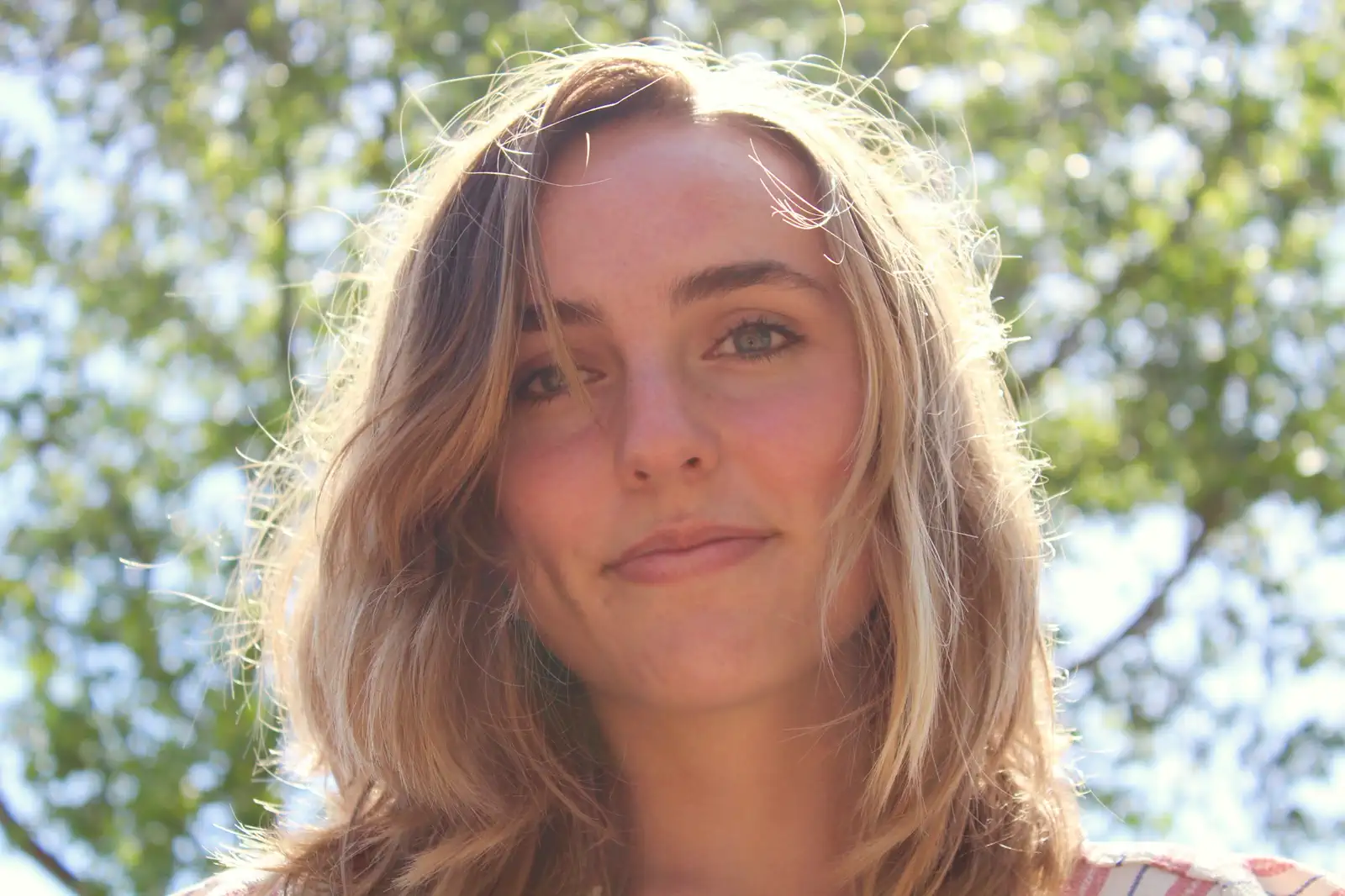
- Turn them so the sun is behind them. Backlighting puts the hard light on their hair and shoulders instead of their face, and their face sits in its own soft shadow.
- Watch how the light falls on the face. Whatever you choose, you want it landing evenly across the face rather than stabbing straight down onto it.
Reach for gear only after you have exhausted your feet.
Protect the highlights, rescue the shadows
When you do shoot in bright light, decide what the photo is about, and for a portrait that is the skin. Expose so the face looks right and let the background do what it will. If anything, lean toward protecting the highlights, because blown-out skin has no detail left to recover, while shadows in a RAW file usually hold more than you expect. Shoot RAW for that latitude, and check the histogram instead of trusting the preview screen, which lies to you in daylight.

Backlight, then throw light back on the face
Backlighting is your best friend at noon, but it creates a new problem: put the sun behind someone and their face falls into shadow, often too dark against a bright background. So add a little light back. The cheapest tool is a reflector, and a white foam board or even a car sunshade will do, held just out of frame to bounce sunlight into the shadows. A touch of fill flash does the same job with more control. Either way you get the flattering rim of backlight and a properly lit face, which reads as deliberate rather than lucky.
Or lean into the drama
Not every harsh-light photo needs softening. Strong directional sun makes bold shadows, crisp lines, and high contrast that can look editorial and confident when you commit to it, which suits a moody portrait or an architectural detail. The line between a mistake and a style is intention. If you are fighting the light and losing, soften it. If the drama serves the frame, use it.
A session shot across shifting midday light can end up a patchwork, some frames in shade, some backlit, some in open sun, so balance exposure and white balance across the set in editing until the gallery reads as one piece. Move the subject first, guard your highlights, backlight and fill, and save the drama for when it fits. Get those habits down and noon stops being the hour you dread.
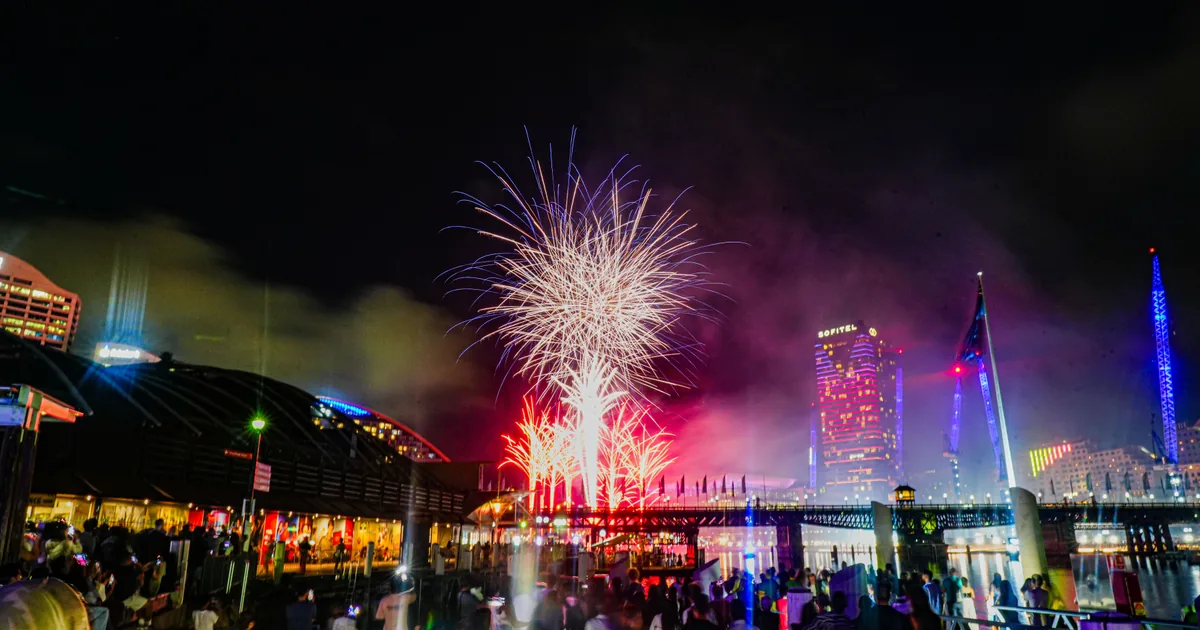
The opposite problem is worth knowing too. When the sun has gone entirely, the settings for night, blue hour, and fireworks are a different set of numbers rather than a harder version of the same ones. The other version of "not enough light" is a room rather than a sky, and indoor settings without a flash start with moving the person to the window.