The short answer: the hour after sunrise and the hour before sunset, because the sun is low, the light is warm, and shadows fall across a face instead of down it.
The longer answer is that golden hour moves by four hours between June and December, that it lasts twenty minutes in the tropics and two hours in Scotland in May, and that it is genuinely the wrong choice for a newborn session, an office headshot, or a north-facing house that needs photographing for a listing. Here is how to actually pick a time.
Why low sun looks better on people
Two things happen when the sun drops. The light travels through more atmosphere, which scatters the blue and leaves it warm. And the angle changes so that light arrives across the face rather than from directly overhead.
Overhead sun is the problem people are really describing when they say a photo looks harsh. It puts shadows in eye sockets, under noses, and beneath the chin, which is the least flattering possible arrangement on a human face and the reason midday portraits look tired.
Golden hour, blue hour, and the twenty minutes between them
Three separate windows, often confused:
- Golden hour: roughly the hour after sunrise and before sunset, though it is a full ninety minutes at high latitudes in summer and closer to thirty minutes in winter. Warm, directional, forgiving.
- The sunset moment itself: ten minutes of very fast change. Meter for the faces, not the sky, or you will get silhouettes you did not ask for.
- Blue hour: the twenty to forty minutes after the sun is gone. Cool, even, and beautiful for cityscapes and interiors, when ambient light outside balances the lights switched on inside. This is the window for real estate exteriors and for skyline shots.
Set the shoot to start about ninety minutes before sunset for a portrait session. That gives you time for the awkward warm-up frames in ordinary light, the good ones as it drops, and the sky at the end.
When golden hour is the wrong answer
Newborn sessions. Babies feed and sleep on their own schedule, and mid-morning is when they are calmest. Shoot near a big window, use a bare room with pale walls, and forget the sun angle entirely.
Corporate headshots. Consistency beats atmosphere. If you are shooting forty people across a day, you want a controlled light you set once, ideally indoors, so the last person looks like the first.
Real estate interiors. Bright, even, overcast midday is ideal for the inside of a house because you are trying to see into corners, not create mood. Save the sunset for one exterior twilight shot.
Anything in heavy woodland. Low sun does not reach into trees. Under a canopy you get more usable light an hour or two earlier, and the mid-afternoon dappling is easier to work with than a forest going dark at ground level.
Toddlers and small children. The best light is at 7pm and the best behaviour is at 10am. Take the behaviour. A cooperative child in ordinary light beats a meltdown in beautiful light every time.
Overcast is not a downgrade
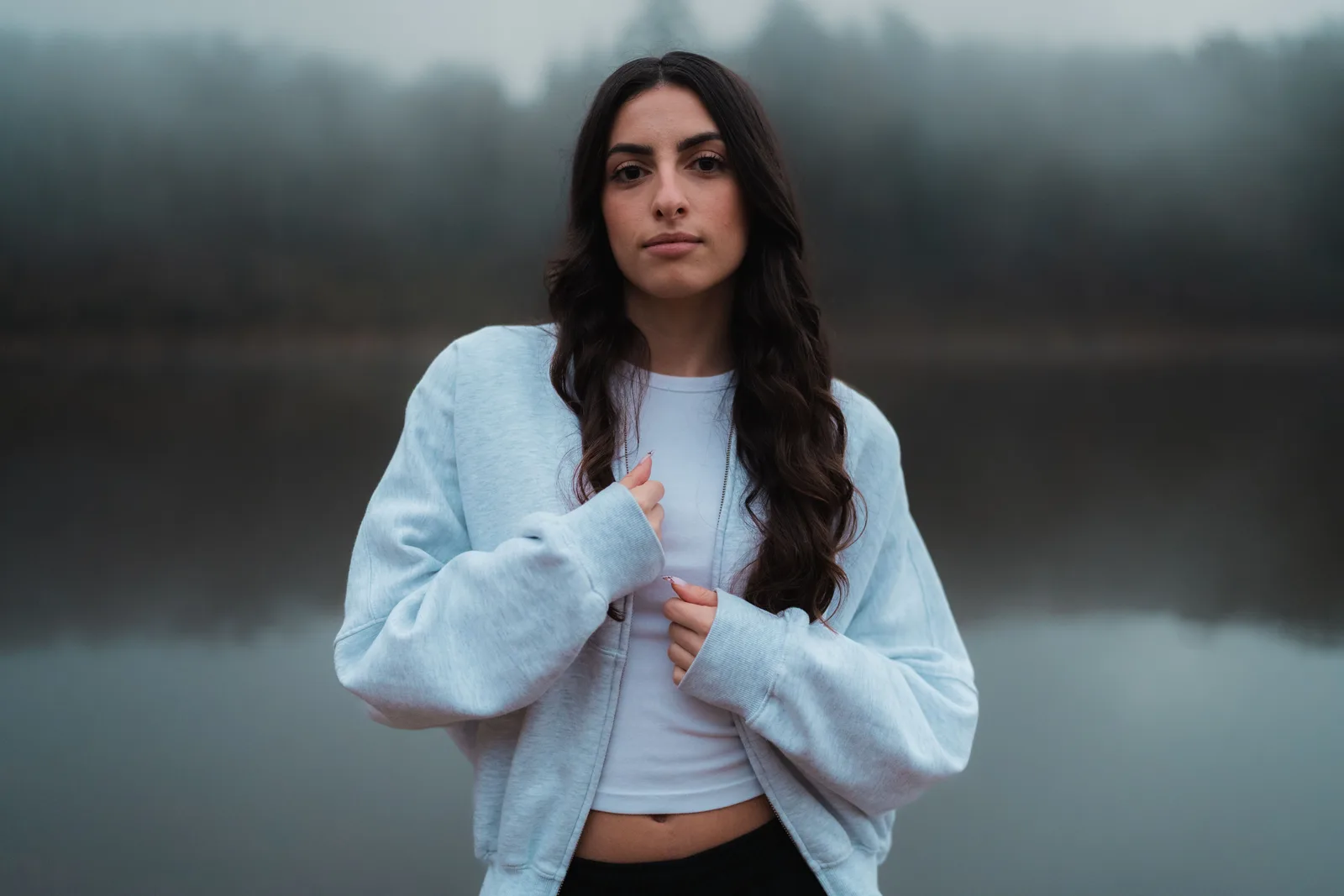
A grey sky is a softbox the size of the sky, which is the most flattering light available for faces and for anything with texture. Skin looks smooth, colours stay saturated, and you can shoot at any time of day without hunting for shade.
Two adjustments make overcast work. Keep the white sky out of frame, or it blows out and drags the exposure down. And add a little contrast and warmth in the edit, since flat light gives you a flat file to start from.
Rain is even better for cities. Wet pavement doubles every light in the frame and empties the streets of everyone else.
The one hour to genuinely avoid, and how to survive it
Between about 11am and 3pm in summer, at mid-latitudes, the sun sits high enough to be difficult. If you cannot move the session, the fixes are mechanical:
- Find open shade, the shadow side of a building, and put the client at its edge facing out. Even light, catchlights in the eyes.
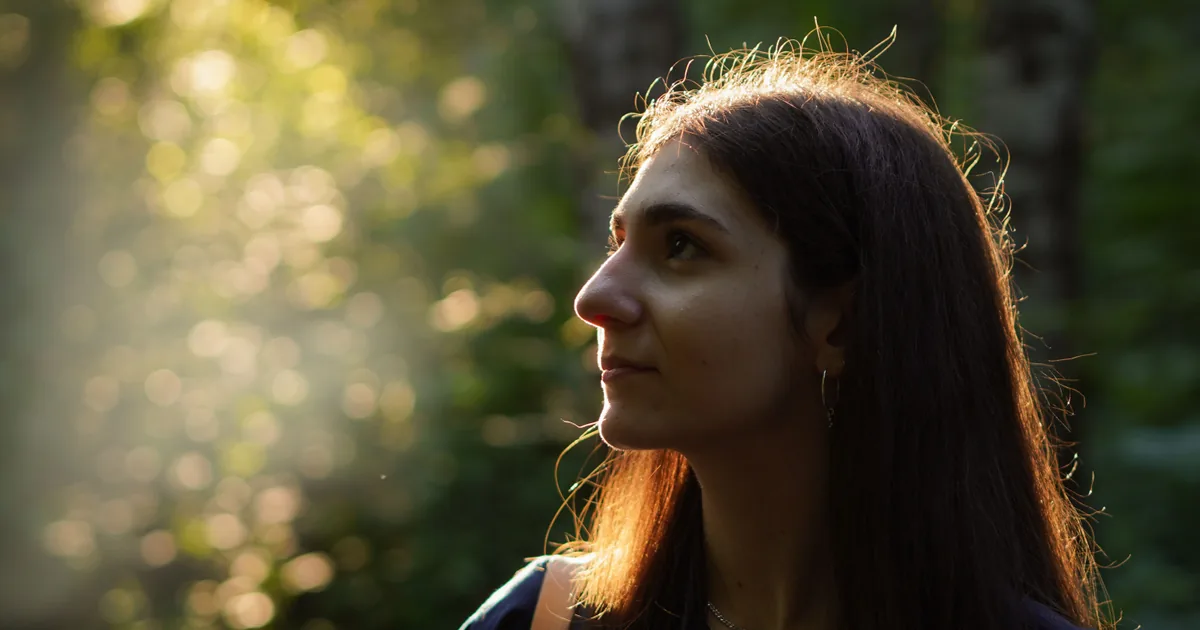
- Backlight them. Put the sun behind their head and expose for the face, which gives you a rim of light in the hair rather than squinting.
- Use a reflector or fill flash rather than fighting the sun with settings alone.
There is a whole post on this, because it comes up constantly: how to shoot in harsh midday sun and still get flattering light.
Season changes everything, including your booking calendar
In late June at 51 degrees north, sunset is around 21:20, so a golden hour family session starts after most young children are in bed. In December it is at 15:55, so the same session has to happen during a working afternoon.
The practical consequences are worth planning for. Summer evening sessions are a premium slot and worth pricing as one. Winter sessions run at lunchtime, which is actually the pleasant end of a winter day because the sun never gets high. And autumn gives you the best combination of the year: low sun, colour, and civilised hours.
Check the actual times for your date and location instead of assuming, and check which direction the sun sets, because a location that works in May can be in full shade by August as the sunset angle swings north or south along the horizon.
What to tell clients when they ask
They usually ask because they want a time that suits the children or the drive. Give them the honest version: any time works, some times work with less effort, and here are the two windows I would recommend for this location.
Then confirm it in writing with the light in mind, along with what to wear and where to park, which is the kind of thing that belongs on the pre-shoot confirmation you send the day before.
If you only remember one rule: point the client so the sun is behind them, expose for their face, and shoot at the end of the day rather than the middle of it. That single habit fixes most of what people dislike about their own photographs.