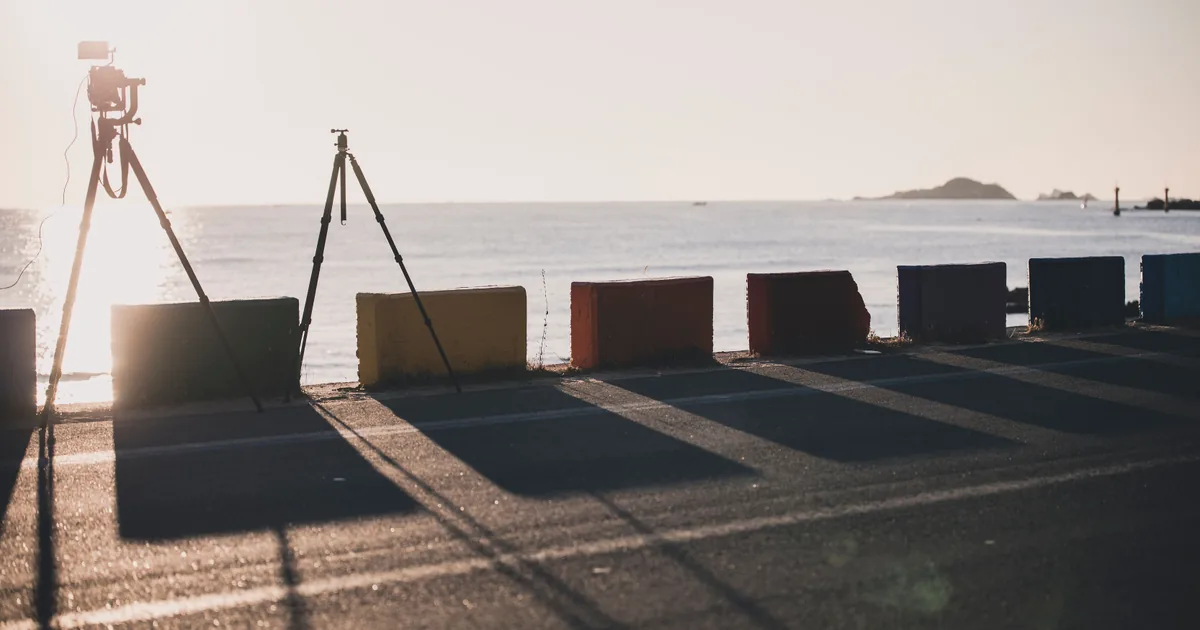
Most photographers buy a cheap tripod, hate it, and buy a second one within a year. The cheap one is not badly made for the money, it is simply built for a different job: holding a light camera still in calm conditions, not supporting a professional body with a 70-200mm on it in wind.
Here is how to buy once.
The three numbers that matter
Load capacity. Add up your heaviest body, your heaviest lens, and the head, then double it. A manufacturer's rating is a maximum under laboratory conditions, not a comfortable working weight, and a tripod at its limit vibrates.
Maximum height without the centre column raised. Extending the centre column turns a tripod into a monopod on stilts and undoes most of its stability. You want the leg-only height to reach your eye level, which for most people means about 145 to 155cm.
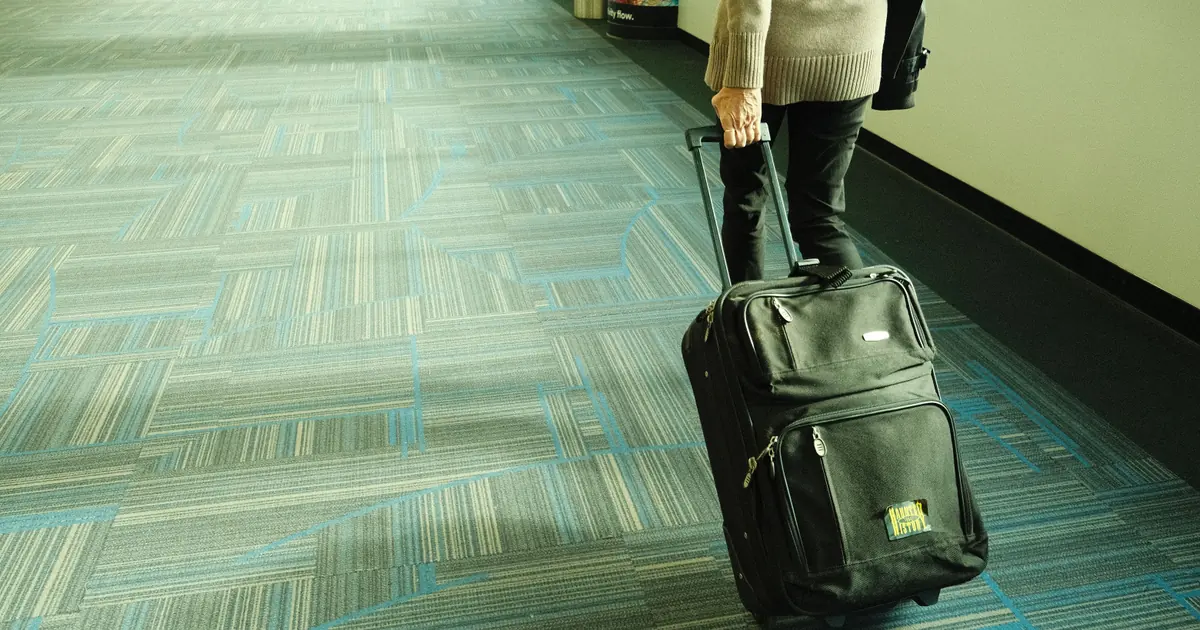
Folded length and weight. These decide whether you actually bring it. A 1.5kg carbon travel tripod that lives in your bag beats a 3kg aluminium one that lives in the boot of the car.
Carbon or aluminium
Carbon fibre is roughly 25 to 30 percent lighter for equivalent stiffness, damps vibration better, and does not get painfully cold in winter or hot in summer. Aluminium costs around half as much and takes abuse better.
Buy aluminium if the tripod stays in a studio or a car. Buy carbon if you carry it, and particularly if you shoot landscape or travel, where the weight is the reason people leave it behind. Something like the Manfrotto Befree series covers the travel end well, and the Benro and Leofoto travel ranges sit in similar territory.
The head matters more than the legs
This is the part beginners underspend on, and it is where the frustration comes from.
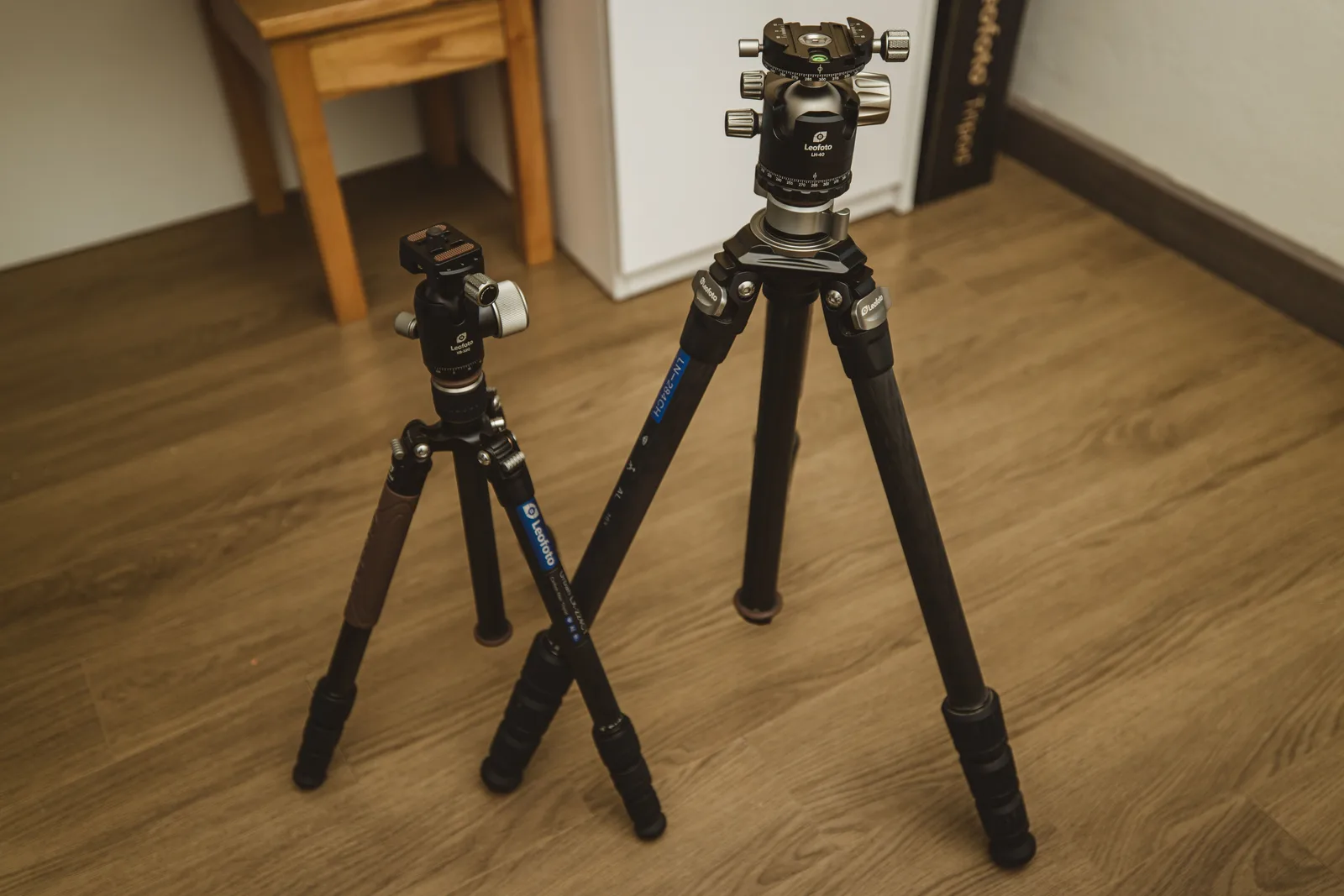
Ball head. Fast, compact, one lever to loosen everything. Best for portraits, travel, and general use. Look for a separate panning lock, which lets you rotate horizontally without the composition tilting. Arca-Swiss compatible ball heads are the sensible default, since the plate standard is near-universal.
Three-way pan and tilt head. Slower, and precise in a way that matters for architecture and real estate, because you can level one axis without disturbing the other two. If you shoot interiors and need dead-vertical walls, this is worth the extra bulk. Manfrotto's three-way heads are the long-standing option.
Geared head. Micro-adjustment via knobs, the choice for serious architectural work, and slow enough to be annoying for anything else.
Fluid head. For video. Skip it unless you shoot motion.
Whatever you choose, get an Arca-Swiss style quick release plate and put one on every body you own. Swapping cameras on a tripod without unscrewing anything is worth the small cost immediately.
What to buy for each kind of work
Real estate and interiors. Height and levelling are everything. A sturdy aluminium set of legs, a three-way or geared head, and a built-in bubble level. You are shooting at f/8 in dim rooms, so the tripod is doing real work on every frame. Budget for something in the Manfrotto 055 class. It is also worth a levelling base if you shoot panoramas for virtual tours, which is increasingly part of what a real estate client expects.
Portraits. Any decent tripod does the job, because you are rarely at long exposures. What matters is speed of adjustment, so a ball head, and a height that reaches above eye level for the standing shots.
Travel and landscape. Carbon, four or five leg sections for a shorter folded length, and a hook under the centre column so you can hang your bag for ballast. Accept a slightly less stable platform in exchange for it actually being with you.
Studio and product. A heavy set of legs you never move, or a C-stand and arm if you shoot flat lays from above, which a tripod does badly.
The three budgets
Around $100 to $150. An aluminium travel tripod with a basic ball head. Real limitations in wind and at full extension, and genuinely fine for occasional use.
$250 to $400. The sweet spot. Carbon legs or a solid aluminium set, a proper ball head with an independent panning lock, and a load rating well above your kit. This is a ten year purchase.
$600 and up. Gitzo, Really Right Stuff, and equivalents. Noticeably better locking, damping, and build, and the difference is real if you shoot long exposures professionally. Diminishing returns for everyone else.
Buying legs and head separately usually gets you a better combination than a kit, and it is how most photographers end up once they know what they want.
The accessories that actually get used
- A spare quick release plate for each body, in Arca-Swiss standard.
- A remote release or a cable, though the two second self timer does the same job for free.
- A tripod strap or a bag if you carry it any distance.
- Spiked feet for soft ground, if you shoot outdoors in winter.
The habits that make a tripod worth carrying
Extend the thickest leg sections first and the thinnest last, since the thin sections flex most. Leave the centre column down unless you have run out of options. Hang your bag from the hook in wind, and never leave it hanging where it can swing.
And turn off in-body or lens stabilisation when the camera is locked down. Stabilisation systems can hunt for movement that is not there and introduce the exact blur you mounted the camera to avoid, which is the most common reason a tripod shot comes back soft.