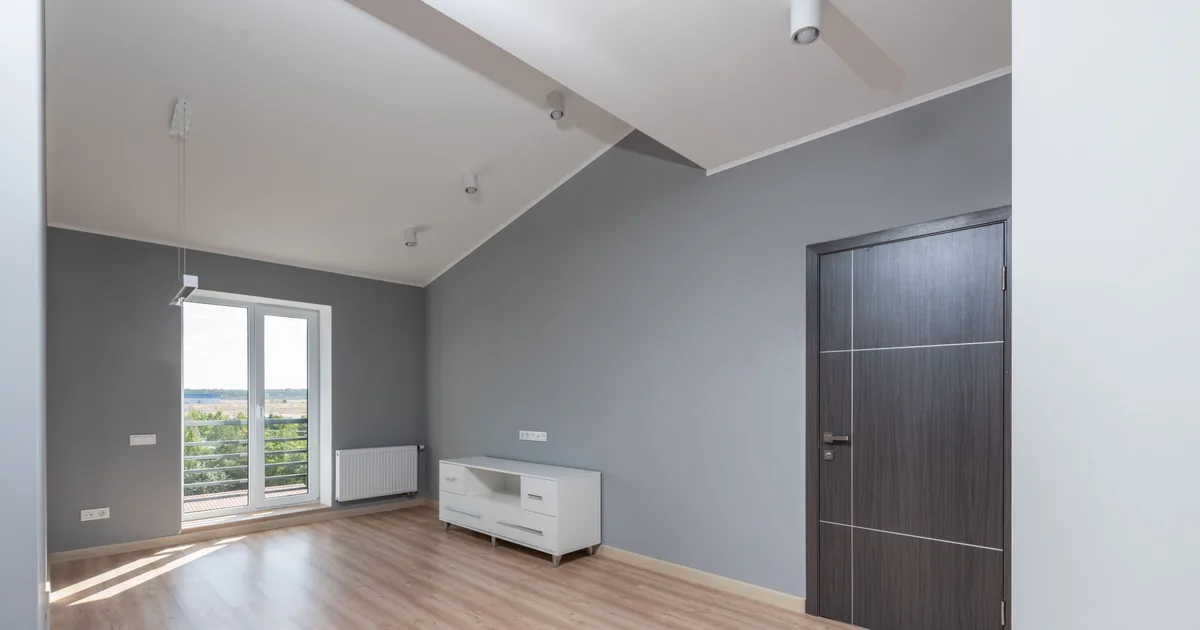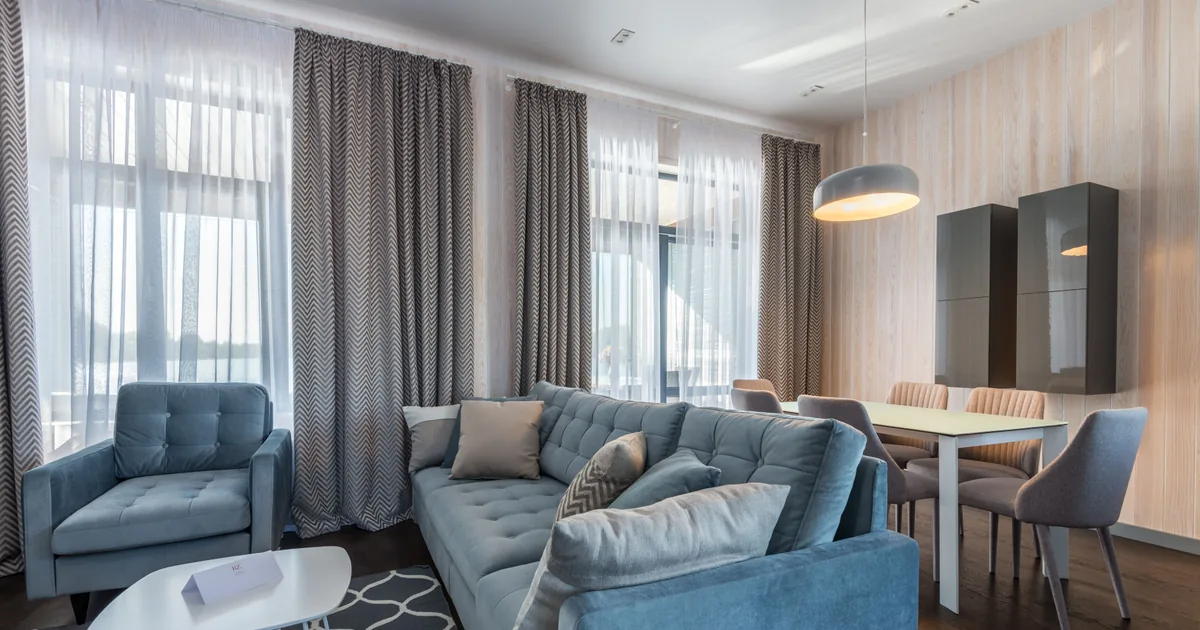
A short let listing sells a stay, not a building. That single difference changes almost everything about how you shoot it compared with an estate agent job: the hero image has to work as a thumbnail on a phone, the amenities matter more than the floor plan, and the guest wants to imagine an evening there rather than assess the square footage.
It is also a better business than it looks. Hosts re-list, refurnish, buy second properties, and need reshoots after every significant change, so one good client turns into recurring work in a way a single house sale never does.
Shoot for the thumbnail first
Guests browse a grid of small squares on a phone. Your first image has about a second to earn a tap.
That means the hero shot is not the front of the building, which is what an estate agent would lead with. It is the single most appealing space in the property, usually the living area or the view, shot bright, wide, and with the most interesting thing clearly readable at thumbnail size.
Test it. Shrink your best frame to about 400 pixels wide and look at it on a phone. If you cannot tell what the room is, it fails as a hero image no matter how good it is full size.
Shoot slightly wider and brighter than you would for a sales listing. Short let platforms compress heavily and display images small, and a slightly airy edit survives that better than a moody one.
The shot list hosts actually need
Platforms want 20 to 40 images, and the ones that matter are not always the rooms:
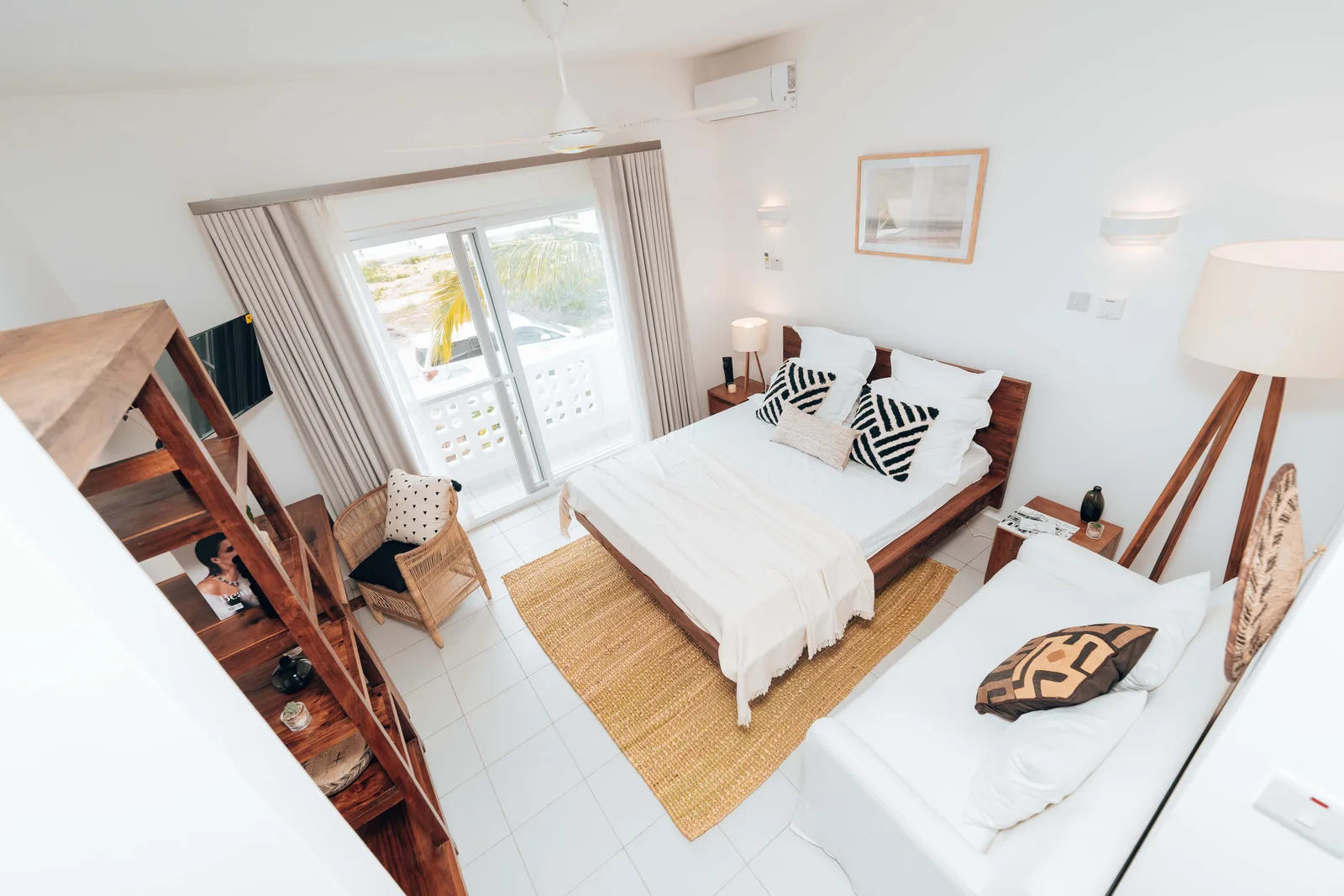
- Hero: the best space, thumbnail tested
- Every room, wide, from the corner that shows the most
- The bed, styled, from the foot and from the side. Guests book on bedrooms
- Bathroom, including the shower, which is the single most scrutinised amenity
- Kitchen, with the appliances visible, plus a detail of the coffee setup
- The workspace, if there is one, because remote workers filter for it
- Outdoor space, balcony, garden, or terrace, ideally with the table set
- The view from the main window, shot as its own frame
- Amenity details: washing machine, parking space, air conditioning unit, the hot tub, the cot
- The entrance and the street, so guests can find it
- One lifestyle frame: coffee on the terrace, a book on the arm of the chair
That amenity list is what separates a short let shoot from an estate agent one. A guest filtering for a washing machine needs to see the washing machine. Hosts routinely forget to ask for these, so ask them.
Light it warm, not neutral
Estate agent work aims for bright and neutral. Short let work aims for inviting, and the difference is mostly about lamps.
Turn the lamps on. All of them. A living room shot with the side lights glowing reads as a place you would want to spend an evening, where the same room lit only by the window reads as a vacant property. This is the opposite of the advice for a room by room estate agent shoot, and it is deliberate.
Shoot in the late afternoon or at dusk for the main living spaces, and do a proper twilight exterior if the property has any outdoor appeal at all. Twilight shots convert extremely well on short let platforms and hosts will pay extra for two or three of them.
Technically it is the same discipline as any interior work: tripod, low ISO, bracket your exposures where a window is in frame, and blend so that both the room and the view outside hold detail. A window blown to pure white in a short let photo is a wasted view, and the view is often what the guest is paying for.
Keep verticals straight. A tilted doorframe reads as amateur instantly, and it is a five second fix in editing.
Get the property prepared, or you will be styling it
Send the host a prep list a week ahead, and be specific, because "please tidy" produces nothing:
- All beds made with matching, ironed white linen. Hotel-style, no creases
- Every surface cleared: no bins, no cleaning products, no personal items, no cables
- Towels rolled or folded on the beds and in the bathrooms
- Toilet seats down, toilet brushes hidden, shower screens dried
- All lightbulbs working and the same colour temperature throughout
- Curtains and blinds fully open
- Cars moved off the drive
- Bins and hoses out of the garden, cushions on the outdoor furniture
That last point about matching bulbs matters more than hosts expect. One warm and one cool bulb in the same room gives you a colour cast you cannot fix cleanly across a whole frame.
Then bring a small styling kit yourself: a fresh cafetière, two mugs, a lemon, a bowl, a couple of books, a folded throw. Twenty dollars of props used across every job, and they turn an empty kitchen counter into a scene. Hosts remember photographers who do this.
Pricing it
Short let work sits slightly above equivalent estate agent pricing, because there are more images, more styling, and usually a twilight component. Typical ranges:
- Studio or one bedroom: $250 to $400
- Two to three bedrooms: $350 to $550
- Larger or luxury properties: quoted, and go and look first
- Twilight exteriors: $100 to $200 as an add-on
- Rush delivery: 50 percent
Price by property, not by hour, for the same reasons as any listing photography price list: it stops the argument about how long you were there and it rewards you for getting faster.
Two extras worth offering. A licensing arrangement is unnecessary here, since hosts need the images for the platform and their own site, so include a broad usage licence and charge accordingly rather than trying to meter it. And offer a discounted reshoot rate, perhaps 60 percent, for when they refurnish, because they will.
Where the repeat work comes from
Hosts talk to each other, and property managers hold portfolios of ten to forty properties. One manager is worth more than twenty individual hosts, and they buy on reliability and turnaround rather than on artistry.
Two things get you that work. Deliver fast, next day, because an empty property is losing money every night it is not listed. And deliver in a form they can use immediately: platform-sized web images alongside the full resolution set, in a gallery link they can forward to a co-host or a cleaner rather than a zip file that expires. On Xposure's Pro and Studio plans those galleries sit on your own domain, which matters when your client is forwarding the link on to a property owner who has never heard of you.
Then ask, at delivery, whether they manage any other properties. Most of them do, and almost nobody asks.