For most working photographers in 2026, no. Your camera meters reflected light well, the histogram tells you the truth after the fact, and you can chimp a test frame in two seconds. A handheld meter solves a problem that mirrorless cameras largely solved a different way.
There are three situations where that answer flips, though, and they are common enough that the meter sitting in a drawer might be worth digging out. Knowing which situation you are in is the whole decision.
The difference that actually matters
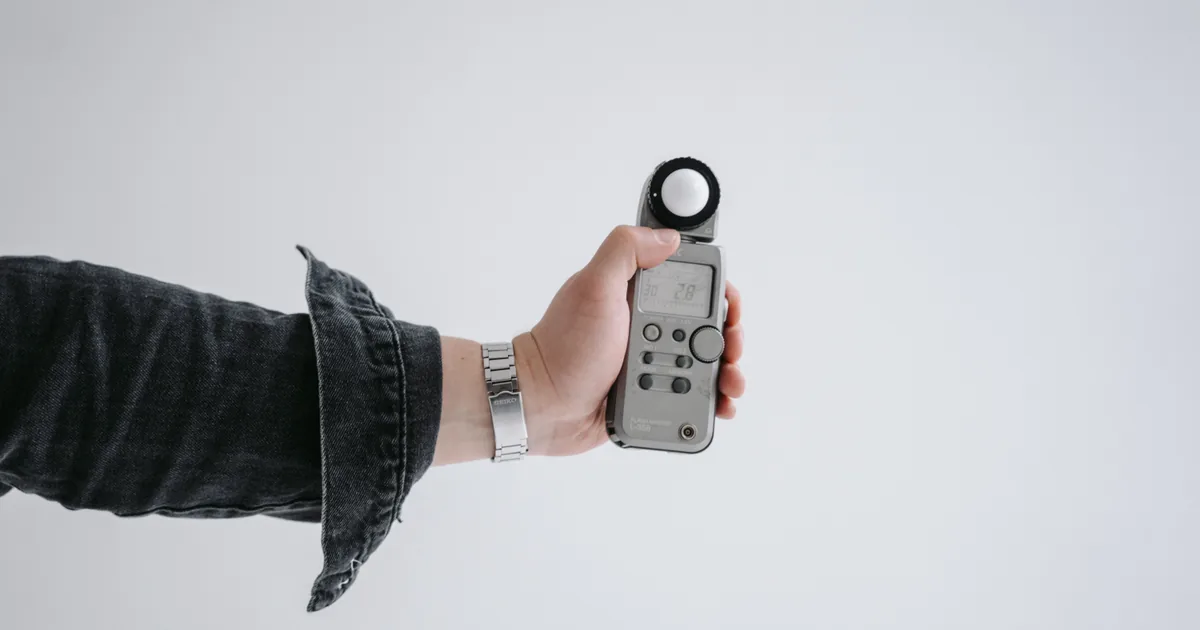
Your camera measures reflected light: the light bouncing off your subject and back into the lens. A handheld meter, used properly, measures incident light: the light falling onto your subject, read at the subject's position with the white dome pointed back at the camera.
That distinction is not academic. Reflected metering is fooled by what your subject is wearing. A bride in white and a groom in a black dinner jacket, framed together, give your camera a genuinely impossible average, and it will guess. Incident metering does not care what they are wearing, because it never looks at them. It measures the light, which is the thing that actually determines exposure.
This is why the meter never fully died in studio and film work, and why it is almost pointless for a landscape photographer with a histogram.
When a meter still earns its place
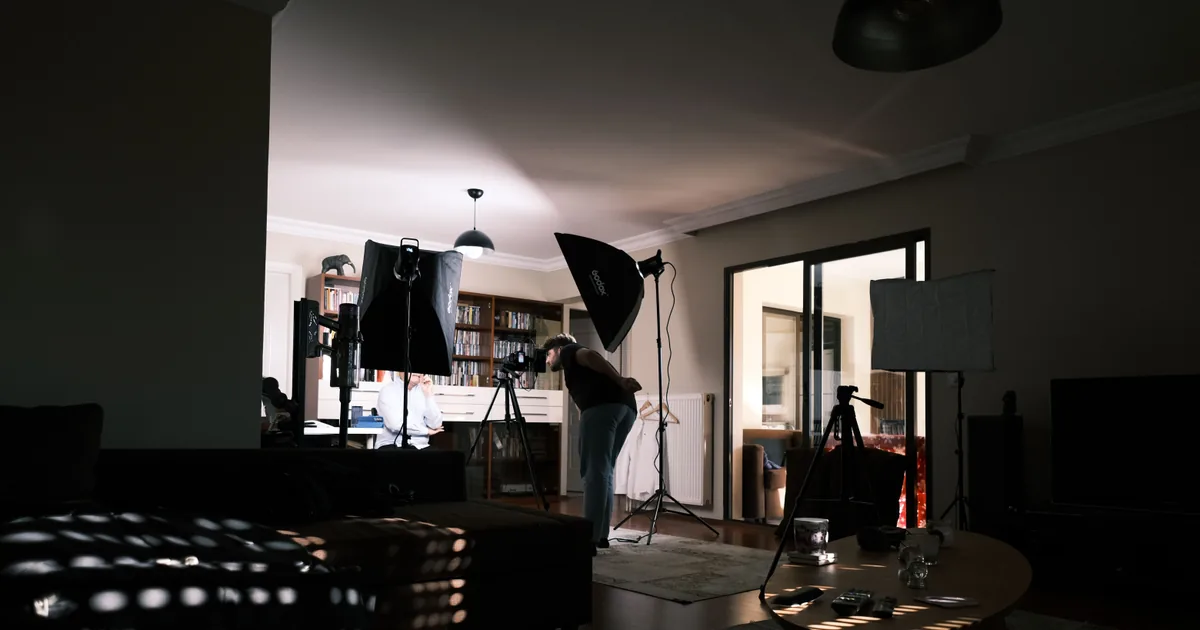
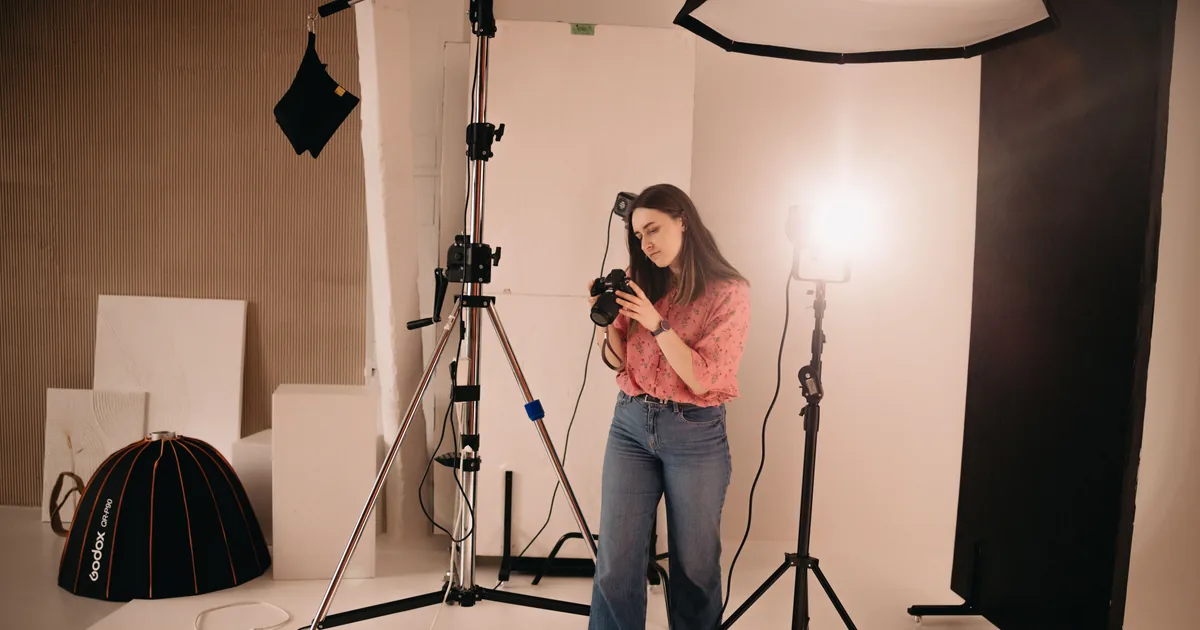
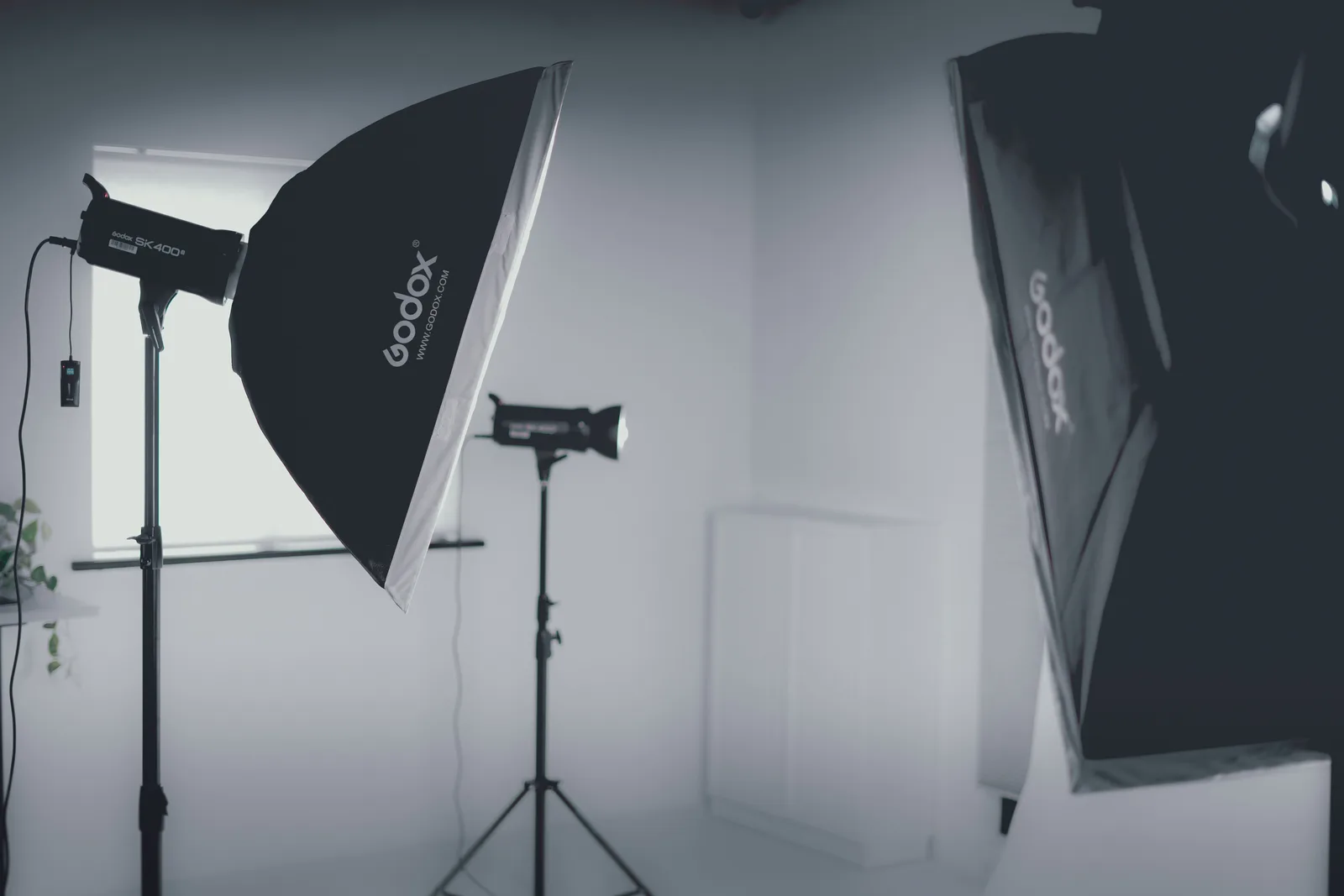
Studio flash with multiple lights. This is the strongest case. You cannot judge a lighting ratio by eye on the back of a camera, and test frames only tell you the combined result. A meter lets you set the key at f/8, walk to the shadow side, read the fill at f/5.6, and know you have a 2:1 ratio before you have taken a single frame. Dialling that in by trial and error takes ten minutes and a patient subject.
Film. Non negotiable. Film has no histogram and no second chance, and colour negative wants exposure for the shadows while slide film wants it for the highlights. If you shoot any film at all, the meter is not optional.
Video. No histogram on a per-shot basis while rolling, no chimping mid take, and consistent exposure across a scene matters more than in stills.
Very high or very low key work. A white product on white, or a dark subject on black, is exactly where reflected metering falls apart most predictably.
Outside those four, a meter is a nice-to-have. If you shoot weddings, portraits on location, real estate, or events digitally, you can build an entire career without one, and most photographers now do.
Why cameras got good enough
Three things changed. Evaluative metering got much better at recognising scenes. Raw files gained enough latitude that being half a stop out is recoverable rather than fatal. And mirrorless bodies gave you a live histogram and exposure simulation in the viewfinder, which is the real killer: you are seeing the exposure before you commit, not judging it afterwards.
Two tools on your camera do most of what a meter used to:
- Zebras or highlight warnings, which tell you exactly which pixels are about to clip. Set them to 100 and expose until they just appear on the brightest thing that must keep detail.
- The histogram, which is the only honest read on the back of the camera. The rear screen brightness lies, especially outdoors, and the way an image looks on a screen you have not calibrated lies in a different way again.
Neither of those helps with a lighting ratio in a studio, which is the gap the meter still fills.
How to use one properly, in four steps
If you own a meter and have never got on with it, the usual reason is that it was used wrong. The method:
- Set the meter to the ISO and shutter speed you are shooting at.
- Hold it at your subject's position, dome extended, pointed back at the camera rather than at the light.
- Fire the flash, or take the reading in ambient mode.
- Set the aperture the meter gives you. Do not adjust it because the back of the camera looks dark.
That last point is where people abandon meters. The meter is correct and the rear screen is set too bright. Trust the number for a session, look at the files on a proper screen afterwards, and you will find it was right.
For a lighting ratio, meter each light separately with the others switched off. Key alone, fill alone, then compare. A one stop difference is a 2:1 ratio and a gentle, commercial look. Three stops is dramatic. This is far more useful than memorising ratio numbers in the abstract.
What to buy, if you are buying
The market is small and stable. A basic flash-capable meter runs around $180 to $250 new, and the used market is excellent because so many photographers bought one, used it twice, and sold it. Second hand is genuinely the sensible route here.
What to look for:
- Flash metering, not just ambient. An ambient-only meter is useless in the situation the meter is actually for.
- Cordless flash triggering, or the ability to fire the flash from the meter.
- A retractable dome, so you can switch between incident and reflected.
Phone light meter apps are the obvious question, and the honest answer is that they are fine for ambient light and useless for flash. The phone's sensor cannot read a burst that lasts 1/1000 of a second. If you want a meter for studio flash, which is the main reason to want one, the app will not do it.
What to do instead if you skip it
Most photographers reading this should skip it, and the alternative is a habit rather than a purchase.
Build a repeatable starting point for each lighting setup you use, write it down, and refine it. "One light, 43 inch umbrella, four feet away, ISO 200, 1/160, f/5.6" gets you a usable frame on the first shot and you adjust from there. That is what a meter buys you, arrived at by memory instead of measurement, and after twenty sessions with the same speedlight and umbrella setup you will know your numbers cold.
Then use a grey card once at the start of a session. It costs $10, it fixes your white balance in one click across the whole take, and it does more for the consistency of your gallery than a meter would.
A meter measures the light. A histogram grades your homework. Most digital photographers only need the second one.
The photographers who genuinely benefit are the ones building multi-light setups where the ratio is the point, and the ones shooting film where there is no feedback loop at all. If that is not you, spend the money on a better light stand, and put the effort into learning what different light sources actually do at different distances instead. That knowledge transfers to every camera you will ever own.