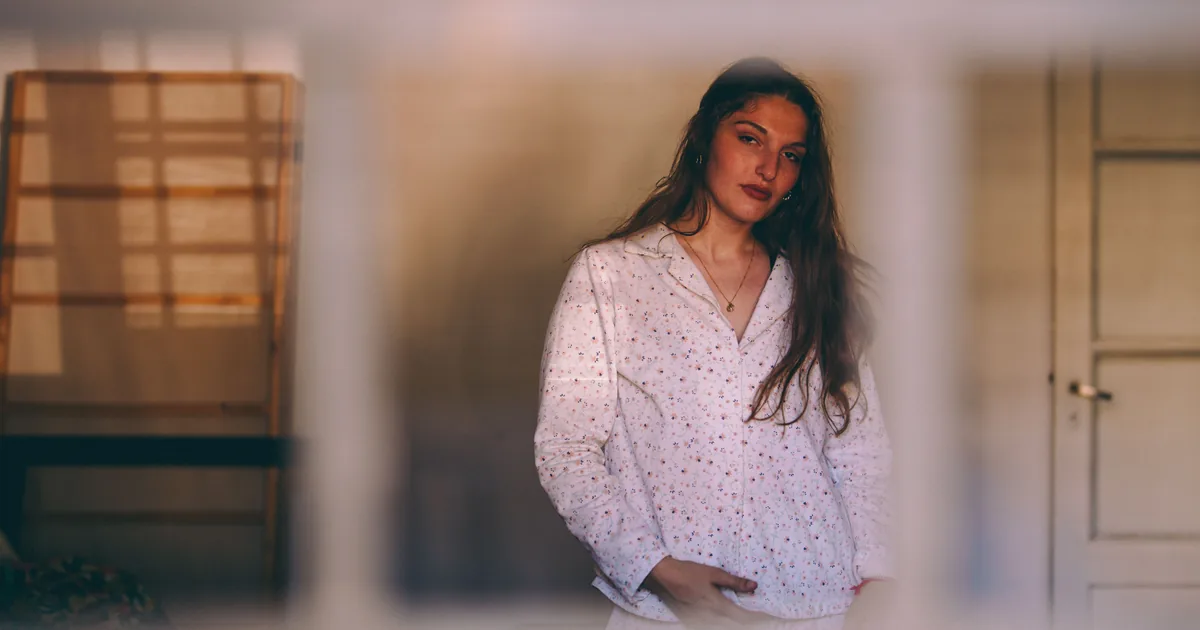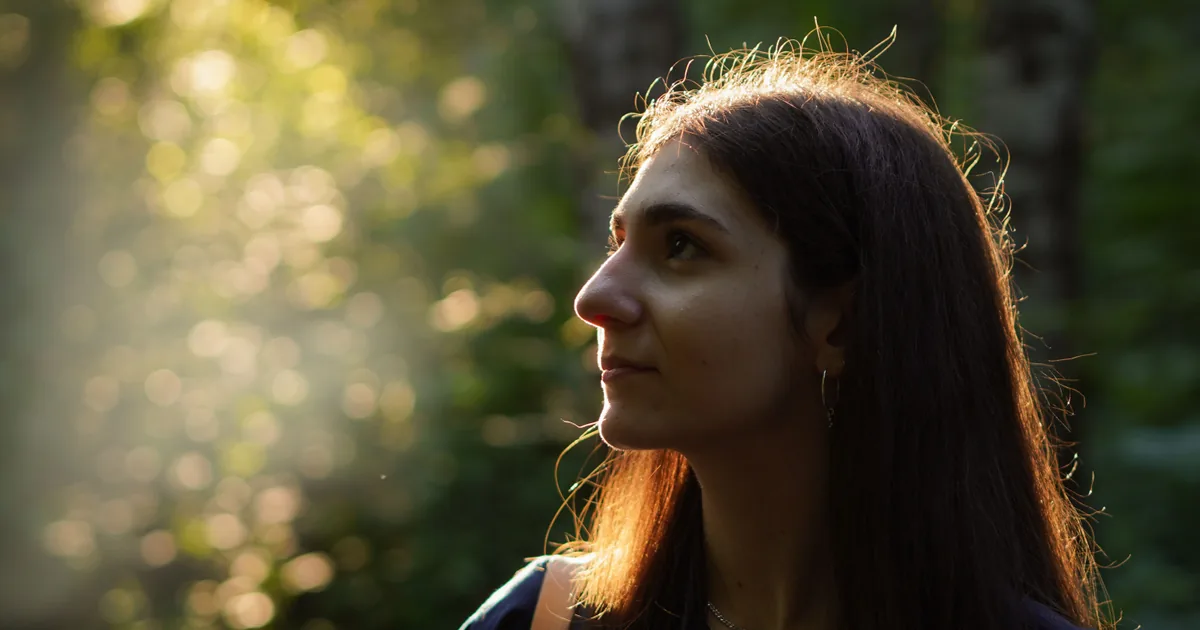
Rain is the most underrated weather in photography. It empties locations, puts a second copy of every light source on the ground, saturates colour, and hands you a diffused sky that flatters faces. The photographers who cancel are leaving the best conditions of the year to the people who do not.
The obstacles are practical rather than creative: keeping the camera working, and keeping the client willing.
What rain actually gives you
Reflections. Wet pavement doubles neon, headlights, windows, and streetlamps. Get the camera low, close to the ground, and the puddle becomes half the frame.
Empty locations. The viewpoint with forty people on it in sunshine has two in the rain. For any city on a list of famous spots, this is the difference between a photograph and a snapshot of a crowd.
Saturation. Wet stone, brick, leaves, and roads go several shades deeper and the colours read richer straight out of camera.
Soft light on faces. Heavy cloud is a softbox the size of the sky. Portraits in rain have no harsh shadows at all.
Atmosphere you cannot fake. Steam off a road after a shower, mist in a valley, the ten minutes of extraordinary light when a storm breaks. That last one is worth waiting for specifically: the sun coming under the cloud edge onto a wet landscape is the best light there is.
Protecting the camera without a production
Most modern bodies and lenses marketed as weather sealed handle a shower fine. Sealed does not mean waterproof, and the sealing is only as good as the weakest part, which is usually an unsealed lens on a sealed body.
The kit that actually works:
- A rain cover, twenty of them for the price of a lens hood, or a plastic bag with a hole and an elastic band, which genuinely works.
- A lens hood, permanently on. It keeps drops off the front element better than anything else, and drops on the glass are what ruin frames.
- A microfibre cloth in your pocket, not in the bag. You will use it every two minutes.
- A second cloth, because the first will be soaked.
- A dry towel in the bag for wiping the body down before it goes away.
- Silica gel packs in the bag.
Change lenses under cover or not at all. That is the moment water gets onto a sensor.
When you get home
Do not put a wet camera straight into a closed bag. Wipe it down, take the battery and card out, leave the compartment doors open, and let it dry in a warm room for a few hours.
If it has been in salt spray at the coast, wipe it with a slightly damp cloth first to lift the salt, then dry it. Salt corrodes contacts and it does not evaporate.
Exposure and settings for wet scenes
- Meter for the highlights. Reflections and wet surfaces blow out easily, and a blown reflection is unrecoverable. Underexpose slightly and lift in the edit.
- Watch the white balance. Overcast rain pushes everything blue. Warming it slightly is usually right, though a cool grade suits a rain-at-night city photograph.
- Keep the shutter above 1/250s if you want visible raindrops as streaks rather than an invisible blur. Backlight the rain, with a streetlamp or the sun behind it, or it will not show up at all. This is the single technique that makes a photograph read as rain rather than as grey.
- Focus manually if autofocus hunts. Water on the front element and low contrast can confuse it.
- Shoot raw. Flat light needs contrast added later, and you want the latitude.
Handling a client session in the rain
The photography is the easy part. The client is the variable.
Agree the plan before the day. Not the morning of, and definitely not from a car park. Decide with them at booking who makes the call, by what time, and what happens if you go ahead: a covered location, a shorter session, or a reschedule with the retainer moved. Vague weather clauses fail exactly when they are needed, which is why the cancellation policy generator writes a specific one with a named decision maker and a deadline.
Set the expectation that light rain is not a cancellation. Photographers know drizzle produces good photographs. Clients assume it ruins them, and the argument happens at 8am unless you have said it in advance.
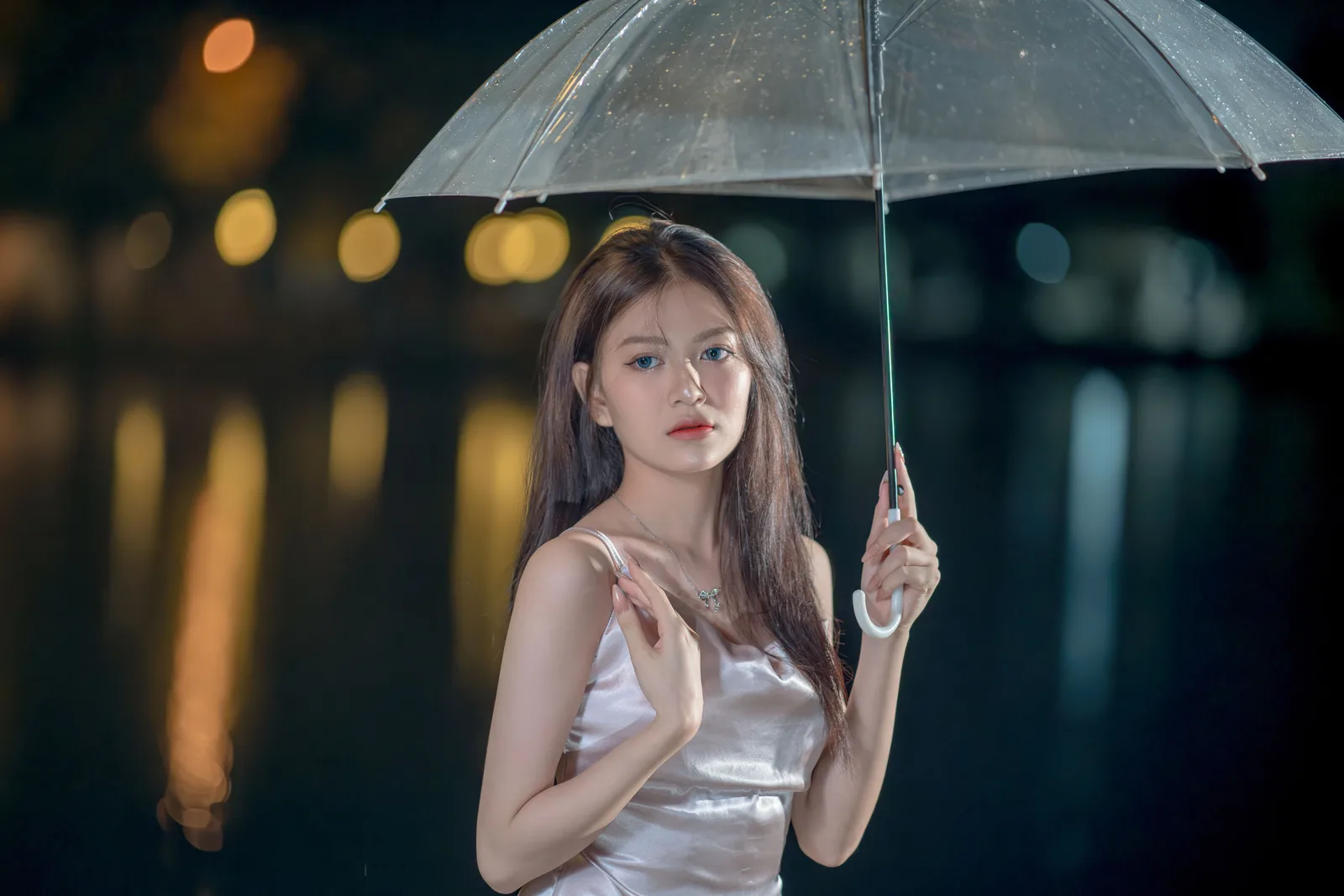
Bring two clear umbrellas. They keep clients dry, they photograph beautifully because the light passes through, and they turn the weather into a prop rather than a problem. This is the cheapest useful purchase in this entire article.
Have covered locations in your back pocket for every place you shoot: arcades, bandstands, museum entrances, underpasses, colonnades, a car interior shot through a wet windscreen.
Shorten the session. Thirty focused minutes in rain beats an hour of everyone being cold, and clients remember how the hour felt more than they remember the weather.
Shooting rain that reads on camera
Three things that make a wet photograph obvious rather than just grey:
- Backlight the drops, as above. Without a light behind it, rain is invisible.
- Include a reflection, from as low an angle as you can manage.
- Include a person doing something about it: an umbrella, a hood up, running for cover. Rain needs a human reaction to read as weather.
Then embrace the mood in the edit rather than fighting it. Trying to make a rainy photograph look sunny produces something that looks wrong in a way people cannot name. Deepen the blacks, keep the colour where it is, and let it be a wet day.
The next time a forecast says rain on a session day, the honest answer is that you will probably come home with better photographs than you would have in sunshine, provided everyone knew that was the plan. That is a conversation to have at booking, alongside the rest of the practical detail nobody thinks to confirm.