A print release is a short written permission that lets your client print the photographs you took for them, for personal use, without transferring your copyright. It is not a contract, it is not a model release, and it is not a transfer of ownership. It exists mainly because print labs ask for one.
Most photographers need exactly one document, reused forever, with the client name and session date changed. This is what goes in it, the wording you can copy, and the two situations where handing one over is the wrong call.
Why the lab is asking for it in the first place
The practical trigger is almost always the same. Your client uploads their gallery files to a print lab, the lab sees professionally lit and edited images, and it refuses the order or asks for written permission from the photographer. Some labs check every order, some check nothing, and the inconsistency is why clients get confused and phone you.
The lab is protecting itself against copyright claims, and it is right to. In the UK, the US, the EU and most other jurisdictions, the photographer owns the copyright from the moment the shutter fires unless a written agreement says otherwise. Paying for the shoot buys the photographs, not the rights, which is the part most clients genuinely do not know.
A print release resolves it in one page: you still own the work, and this specific person is allowed to print these specific photographs for themselves.
The eight things it has to contain
Nothing here is legal exotica. Missing any of it is what makes a lab reject the document your client presents.
- Your business name and contact details
- The client's full name
- The session date and a one line description ("family portrait session, Hyde Park")
- Which images it covers, usually "all images delivered in gallery [name or link]"
- What they may do: print at any size, for personal use, at any lab of their choosing
- What they may not do: sell, license, publish commercially, enter into competitions, or alter the files
- A line stating you retain full copyright
- Your signature and the date
The images clause is the one people write badly. "All images from the session" is vague if you delivered 40 and shot 900. Name the gallery or the delivery date so there is no argument about what was covered.
A print release example you can copy
Adapt the names and keep the structure. One page, plain English, no clause numbering.
Print release
Photographer: Mattia Reeve Photography, hello@example.com Client: Alex Reed Session: family portrait session, 14 June 2026 Images covered: all 42 images delivered in the gallery "Reed Family, June 2026"
I grant Alex Reed permission to print, reproduce and share the images listed above for personal, non-commercial use. This includes printing at any size and at any lab, making albums and gifts, and sharing digitally with family and friends, including on personal social media accounts.
This permission does not transfer copyright. I remain the copyright holder of all images. The images may not be sold, licensed, published for commercial purposes, entered into competitions, or edited beyond cropping without my written permission.
Signed: Mattia Reeve Date: 2 July 2026
Send it as a PDF, not as a line in an email, because your client will forward it to a lab that wants a document. Put it in the gallery alongside the files so it is still there in eighteen months when they finally order the album.
The "no editing beyond cropping" line matters more than it looks. Without it, the next thing you see is your portrait with a phone filter over it and your name still attached, which is the same reason watermarking is a weaker protection than people assume.
Print release, copyright transfer, and commercial licence
Three different documents that clients use interchangeably, so you will have to be the one who is precise.
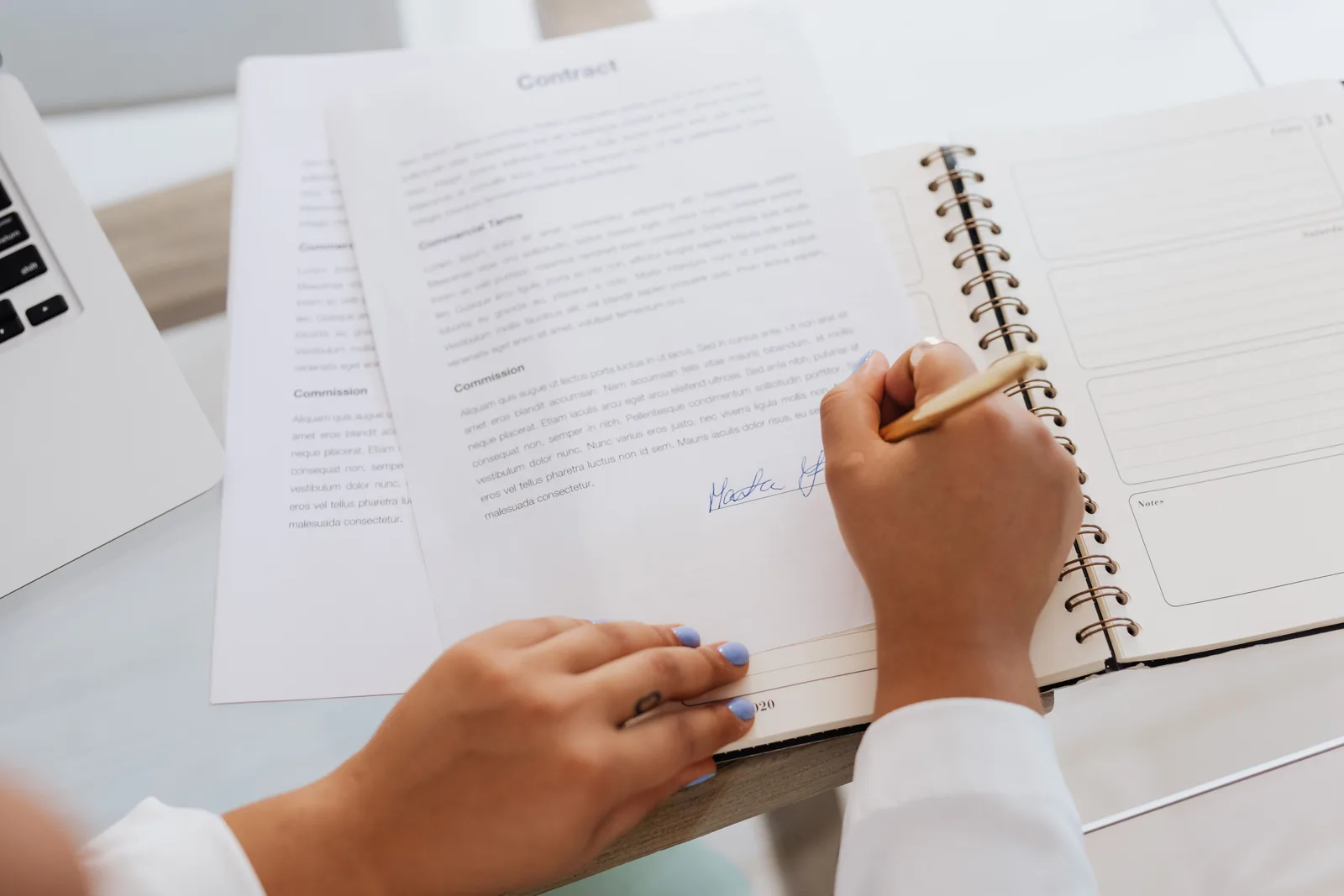
A print release is permission for personal printing. Cost: nothing, included.
A commercial licence is permission to use the images to promote a business: website, ads, packaging, social accounts belonging to a company. It is priced by scope and duration, and it is what a business client actually needs, whether that is a set of corporate headshots or a product shoot.
A copyright transfer, sometimes called a buyout, means you no longer own the images and cannot use them in your own portfolio. It is rare, it should be expensive, and it must be in writing and signed. If a client asks for "the full rights", ask what they intend to do with the photos before you quote, because nine times out of ten they mean the print release and the word "rights" was borrowed from somebody else.
When not to hand one over
Two situations where the answer is no, or not yet.
The balance is unpaid. The release goes out with the gallery, and the gallery goes out when the invoice is settled. Handing over printing permission while you are still chasing money removes the only leverage you had, and recovering it afterwards is a much longer road.
The client is a business. A print release covers personal use, so granting one to a company for images they will put on their homepage tomorrow is the wrong document. Write a licence instead, even a two sentence one, and price it.
There is also a commercial reason to be thoughtful. If print sales are part of your income, blanket permission to print anywhere means most clients will use the cheapest consumer lab and be quietly disappointed with the result, which reflects on your work rather than on the lab. Some photographers include the release only after a print order, or include it but recommend a lab. Naming the two labs you actually trust in the same email costs nothing and rescues a fair number of orders.
Make it automatic, not a task
The version of this that survives a busy year is the one you never think about. Write the release once as a template with three fields to change. Save it where you write email. Attach it at delivery, every time, along with the gallery link and the expiry date, so it never becomes a request you have to answer on a Sunday.
Put the permission somewhere the client will find it without you. Xposure galleries have a note field that renders above the photos, and one line there saying prints are welcome at any lab, with the signed release attached to the delivery email, answers the question before it is asked. Clients lose emails. They do not lose the link to their photos.