The default answer is no, and it is not because you are hiding anything. A raw file is not a photo yet. It is the sensor data plus your camera's guess at how to render it, and handing it over is closer to giving someone the recording stems than the finished track. What you were hired to deliver is the finished frame.
That said, "never, under any circumstances" is a worse policy than it sounds, because roughly one request in ten is completely reasonable and comes from a client who has a real need. The job is telling the two apart in the thirty seconds before you reply.
Work out what they are actually asking for
Almost nobody wants a 45MB .CR3 file. They want something else and "can I get
the raws" is the only phrase they know for it. In practice the request is nearly
always one of four things:
- "I want the ones you didn't send me." They saw you take four hundred frames and received thirty five. This is a delivery-count expectation problem, not a file format problem.
- "I want to edit them myself." Usually a client who has a preset they like, or a marketing person whose brand guidelines specify a look.
- "I want them for safekeeping." They are worried about losing the photos and think the biggest file is the safest one.
- "I want to crop them for Instagram." They need a different aspect ratio and assume that requires the original.
Only the second one needs a raw file, and even then not always. The other three are solved by a sentence, a JPEG, or a second export at a different crop. Ask "what are you hoping to do with them?" before you argue about anything, because three times out of four the answer ends the conversation in your favour.
Why handing them over blind is a bad idea
The reason worth giving a client is quality control. Your edit is the product, and an unedited or badly edited version of your work circulating with your name attached costs you future bookings from the people who see it. That is a real business reason, not an artistic tantrum, and clients accept it when you say it plainly.
The reasons worth keeping to yourself are just as practical. Raw files include frames where someone blinked, the flash misfired, or the bride's mother is adjusting her dress. You culled those for a reason, and you cannot un-share them. They are also useless to most people: opening a raw file needs software the client does not have, and a phone will either refuse it or render it flat and grey, at which point you get an email asking why the photos look worse.
None of this is about copyright, incidentally. You keep the copyright either way, whether or not anyone paid you, and giving someone a file is not the same as giving them the right to use it however they like.
When yes is the right answer
There are cases where refusing makes you look precious rather than professional:
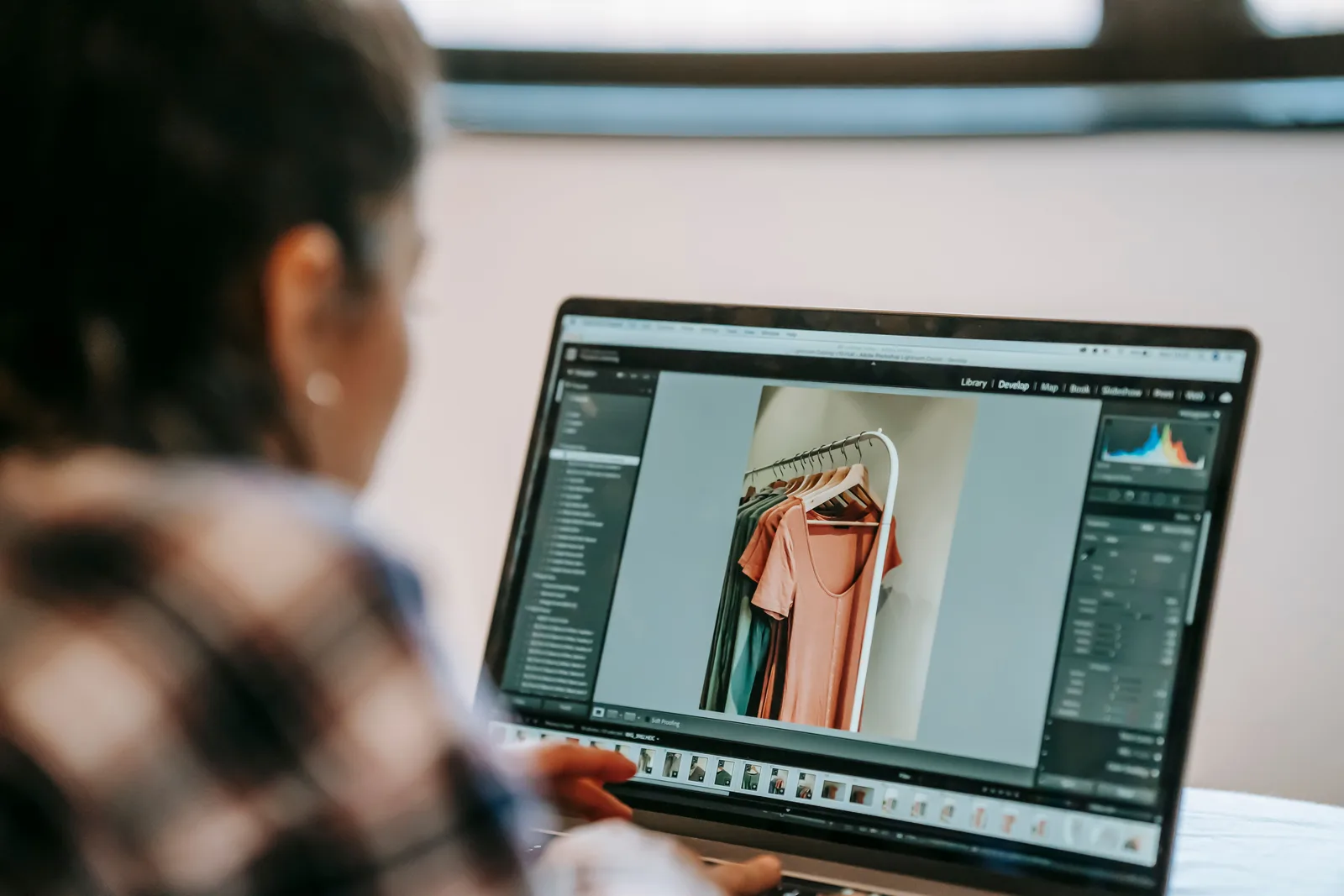
- Commercial and brand work. An agency shooting a campaign often needs the originals for their own retoucher, and the licence they are buying reflects that. Price it in, do not fight it.
- Photographer to photographer. A colleague booking you for their own headshots may genuinely want to edit them in their style.
- Archival and legal work. Insurance, evidence, and documentation shoots sometimes need the unprocessed file, for good reason.
- Long-running retainers where the client's in-house team handles post and you are being paid for the shoot, not the edit.
The pattern is the same in every case: the client has a professional workflow of their own, and the raw file is an input to it rather than a trophy. That is very different from a portrait client who saw a YouTube video about Lightroom.
What to charge if you say yes
Charge for the licence, not the megabytes. The usual approach is a raw delivery fee somewhere between 50 and 100 percent of the session fee, on the grounds that you are giving up control of how the work appears and, in many cases, expanding what the client may do with it. Commercial rates go higher, because the images are worth more.
Two conditions worth attaching whatever the number is:
- The files are delivered culled, not as a card dump. You are still not sending the blinks.
- The client agrees not to attribute edited versions to you. One line covers it: "Images edited by the client may not be credited to the photographer."
If a client balks at the fee, that is useful information. Someone with a real production need will pay it without much comment. Someone who wanted a free souvenir will drop the subject.
Put it in the contract so it never becomes a negotiation
The worst version of this conversation happens after the shoot, when the client has already paid and feels entitled to an answer they like. Nothing prevents that except having written it down first. Add it to the deliverables section, where the delivery count already lives:
The photographer delivers edited, high-resolution JPEG files. Unedited raw files are not part of the standard deliverables and may be licensed separately where the photographer agrees.
"May be licensed separately" is doing the work in that sentence. It closes the door without slamming it, and it tells a commercial client that a route exists. If your contract has not been looked at in a while, the clauses every photography contract needs covers the rest of the section this one belongs in.
Two sentences for when it comes up anyway
Long explanations read as defensive. Short ones read as normal. Something like:
"I only ever deliver the finished, edited files, since the editing is a big part of what makes the photos look like mine. If there is a particular shot you were hoping to see, tell me which and I will edit it for you."
That second sentence is the important one. It converts a refusal into an offer, and it usually surfaces what they actually wanted, which is often two more frames from a moment you underdelivered. Sending those costs you ten minutes and buys back all the goodwill.
If the real issue was the number of images, say the number out loud and explain it: a one-hour portrait session that delivers 20 to 40 images is not withholding anything, it is what culling is for.
Prevent it instead
Most raw requests come from a gap in what the client expected. Three habits close almost all of them:
- Say the delivery number at booking, in writing, and again in your welcome email. Nobody asks for extras when they already knew the count.
- Never let clients watch your screen mid-shoot on a big preview. Seeing 400 thumbnails creates the expectation of 400 photos.
- Deliver into a gallery rather than a folder. A gallery of 35 finished frames reads as a complete set. A Dropbox folder reads as a partial one, which is one of the quieter costs of delivering photos as a file transfer.
Where clients genuinely want a say in the edit, the better answer is to give them one at the right point. Turning on proofing in an Xposure gallery lets them favourite the frames they want and leave a note on anything they would like adjusted, so the feedback arrives as a shortlist before you finish editing rather than as a request for the originals afterwards.
The photographers who get asked for raws constantly are rarely the ones with the strictest policy. They are the ones who never told the client what they were getting. Write the number down, say the two sentences when it comes up, and this stops being a recurring argument and becomes an occasional invoice.