Starting numbers, so you have something to work from. An individual headshot session, 30 to 45 minutes, one background, two or three finished images, runs $150 to $450 in most markets. A personal branding session with wardrobe changes and a location move is $500 to $1,500. On-site corporate work is priced per head: $100 to $150 a person for a team of 20, falling to $65 or so a head once you are photographing 100 people in a day. A half day on location is $900 to $1,800 and a full day $1,500 to $3,500.
The spread is that wide because headshots are two different businesses sharing one word. Individual clients are buying reassurance and one photograph they can stand looking at. Companies are buying throughput and consistency across 60 faces. Price them the same way and you will lose money on one of them.
Decide whether you are selling a session or a seat
The individual sitting is a small portrait shoot. The client is nervous, they have never done this, and most of your value is in the 20 minutes it takes to get them to relax. You are paid for that skill, not for the shutter count, which is why a 45 minute session can carry a $350 price without anyone blinking.
Corporate work is a production. Someone in HR needs 60 people photographed on a Tuesday, identically lit, on the same background, delivered in a week. Nobody there cares about your artistic approach and they will not pay for it. They will pay for predictability: everyone in and out in six minutes, no gaps in the schedule, files named to match the staff list.
Quote the first per session. Quote the second per person with a minimum, which is the next section.
Price the corporate day per head, with a floor
Per head is what clients expect and it scales with their headcount rather than your hours. The floor stops a 12 person company paying you $600 for the same day you would otherwise spend on a paying job.
A structure that works:
- Minimum booking of $1,200, which covers up to 10 people
- 11 to 25 people: $110 each
- 26 to 50 people: $85 each
- 51 to 100 people: $65 each
- Over 100, or multiple sites, quoted as a day rate
Two rules make this survive contact with a real client. Bill for booked slots, not for the people who turned up, because a company that schedules 40 and delivers 31 has still taken your Tuesday. And put a per-person time in the quote in writing: six to eight minutes each is realistic once you include the walk in, the collar straightening, and the two frames they need to see on the back of the camera. That means 40 people is a five hour shooting block, not three.
What is included decides the price more than the clock
Two photographers can both charge $300 and be running completely different businesses. The line items that actually move the number:
- Finished images. One retouched file or five? This is the single biggest driver, and the one clients compare. Additional finished images at $35 to $75 each afterwards.
- Looks. One background and one outfit, or a change of each? Every extra look costs you 10 minutes and a reset.
- Crops delivered. A square for LinkedIn, a 4:5 for the website team page, and a wider frame with space for text is three exports and worth stating.
- Turnaround. Five business days as standard, 48 hours at a 40 percent premium.
- Retouching depth. Colour, exposure and a stray hair is included. Skin work, glasses reflections and shirt wrinkles take real time and belong in a tier, the same way editing gets priced separately when you sell it as a service.
Write those as two or three named packages rather than a menu. People choose between options far more easily than they decide from nothing.
Charge for the setup and the room, not just the shooting
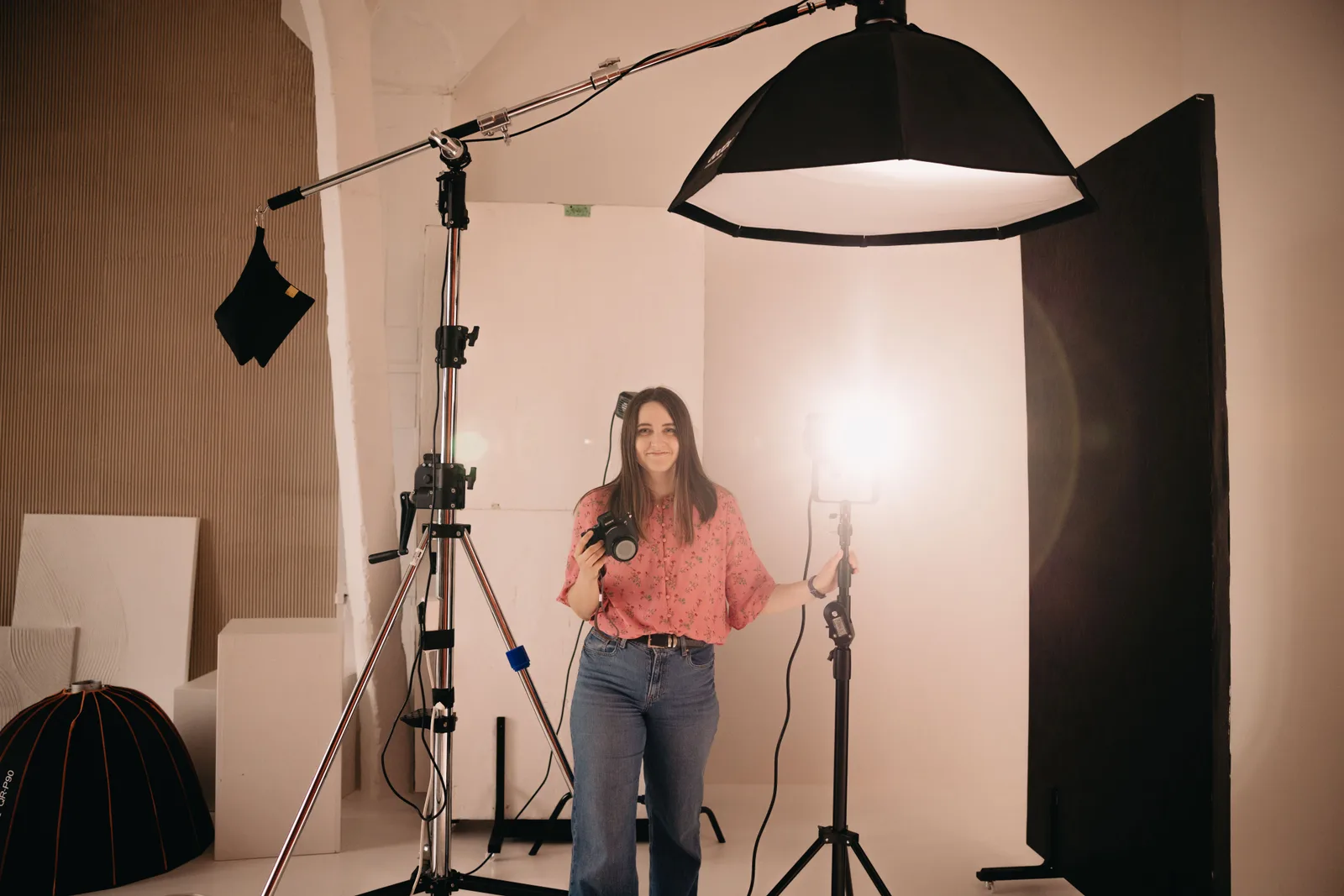
The part photographers forget on their first corporate booking. A two light setup, a background, a tether and a test round takes 45 to 60 minutes before the first person sits down, and 30 minutes to break down. That is 90 minutes of your day that no per-head calculation has paid for unless you built it in.
Add to that the things a corporate site does to you: a load-in through a goods lift, a room that turns out to be 3 metres wide with a window you have to kill, and no accessible power socket. Ask for a photo of the room and the position of the sockets before you quote. If you cannot get one, add an hour.
Travel is its own line, and mileage alone leaves you working the drive for free, which is the whole argument for a proper travel fee.
Business use is a licensing question, not a discount
A corporate headshot is commercial use by definition. It goes on the website, the proposal deck, the conference badge, and often into recruitment advertising. That is fine, and it should be priced and written down rather than assumed.
The clean version: your fee includes a perpetual licence for the company's own marketing and internal use, and for the individual to use their own portrait on personal profiles. Anything beyond that, meaning paid advertising, billboards, or resale to a third party, is quoted separately. Clients rarely object because nobody in a marketing team is surprised by the word licence. Naming the media, term and territory turns it into a number you can quote and renew, which is how usage rights should be priced on any commercial job.
For private individuals, the equivalent document is a print release, and it is worth attaching to the gallery so the client does not email you from a print lab three months later.
What to say when someone wants "just a quick headshot"
You will get this weekly, usually by text, usually from someone who thinks the job is ten minutes. Do not argue about how long it takes.
A headshot sitting is $250. That is 45 minutes, one background, and two finished images you can use anywhere. Thursday morning or Friday afternoon both work if either suits you.
Price, what they get, and two times to choose from. The people who were only ever going to pay $60 disappear, which is the point, and the rest book. Vagueness in your reply produces vagueness in theirs, which is most of why enquiries go cold.
The upsell is a second look, not a discount
The best money in individual headshots comes after the sitting, not in it. A client who liked the first result will buy the extra frames, and there is no awkwardness in offering more of something they already like.
What actually sells, in order: additional finished images, a three quarter length frame for speaker profiles and press, a wide crop for a LinkedIn banner, and a second outfit shot at the same sitting for people who post frequently. Let them choose from the full set rather than the three you picked, because they will pick a different one to you roughly half the time.
Before you set any of these numbers, run your current work through the effective hourly rate calculator. Headshots look profitable because the shoot is short, and the honest number often shows the culling, the retouching and the scheduling emails eating most of it. Price from that floor rather than from what the photographer down the road charges, because you have no idea what is included in their number either.