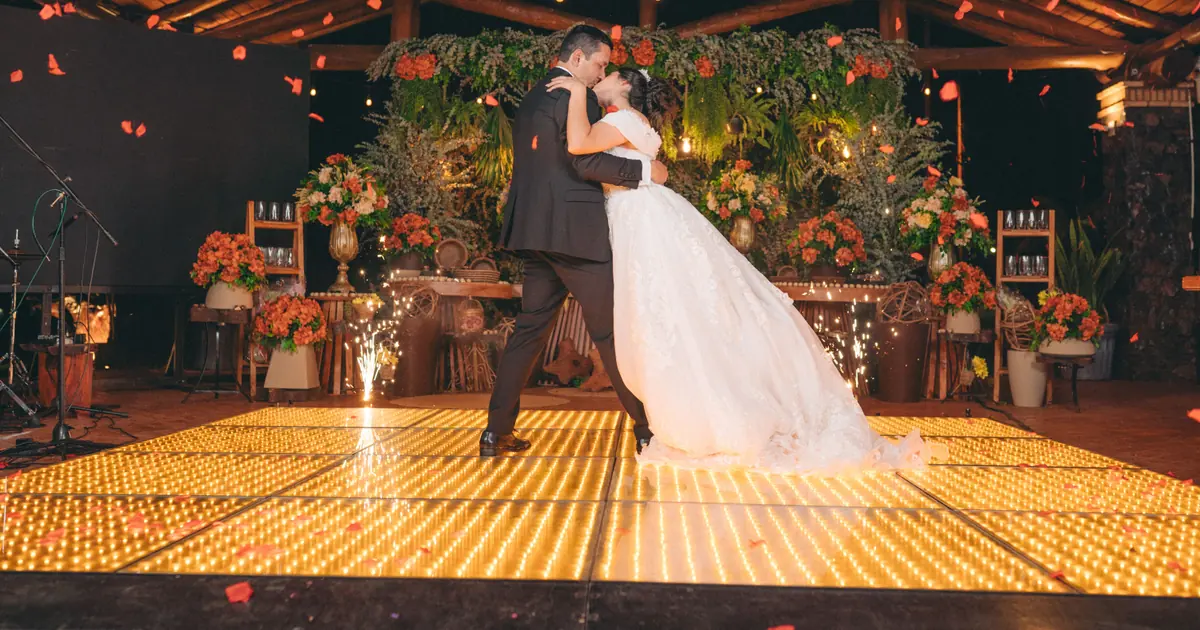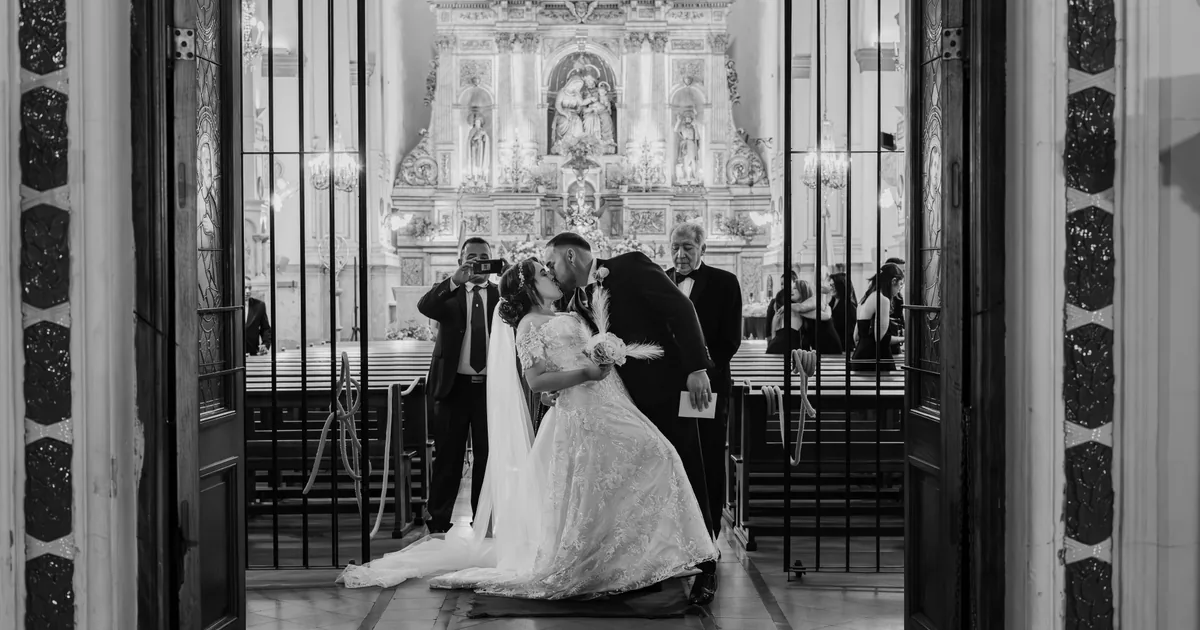
A church ceremony is the hardest twenty five minutes of a wedding day. The light is four stops darker than outside and comes from windows behind your subjects, you often cannot use flash, you frequently cannot move, and every moment happens exactly once.
It is also the part couples' parents care most about. Here is how to get through it without a single unusable frame, starting with the conversation you have before the day.
Ask the officiant, not the couple, and ask early
Couples routinely tell you the vicar is relaxed about photography. Couples are wrong about this more often than any other detail on a wedding day, because they had one meeting six months ago and heard what they wanted to hear.
Email or ring the church directly, a week out, and ask five specific questions:
- May I photograph during the ceremony, or only the processional and recessional?
- Is flash permitted at any point?
- Where may I stand, and may I move during the service?
- May I go into the balcony or gallery if there is one?
- Is there any part of the service, such as a communion or a blessing, where you would prefer no photographs?
Write the answers down and send them to the couple, so nobody is surprised. Some churches restrict you to the back row entirely. Better to know that on Tuesday than at 2pm on Saturday, because it changes your lens choice completely.
Turn up 30 minutes early regardless, introduce yourself in person, and ask again. A vicar who has met you and knows you will not be walking around during the vows is noticeably more accommodating than one who finds a stranger in the aisle.
Set the camera up for a dark room with bright windows
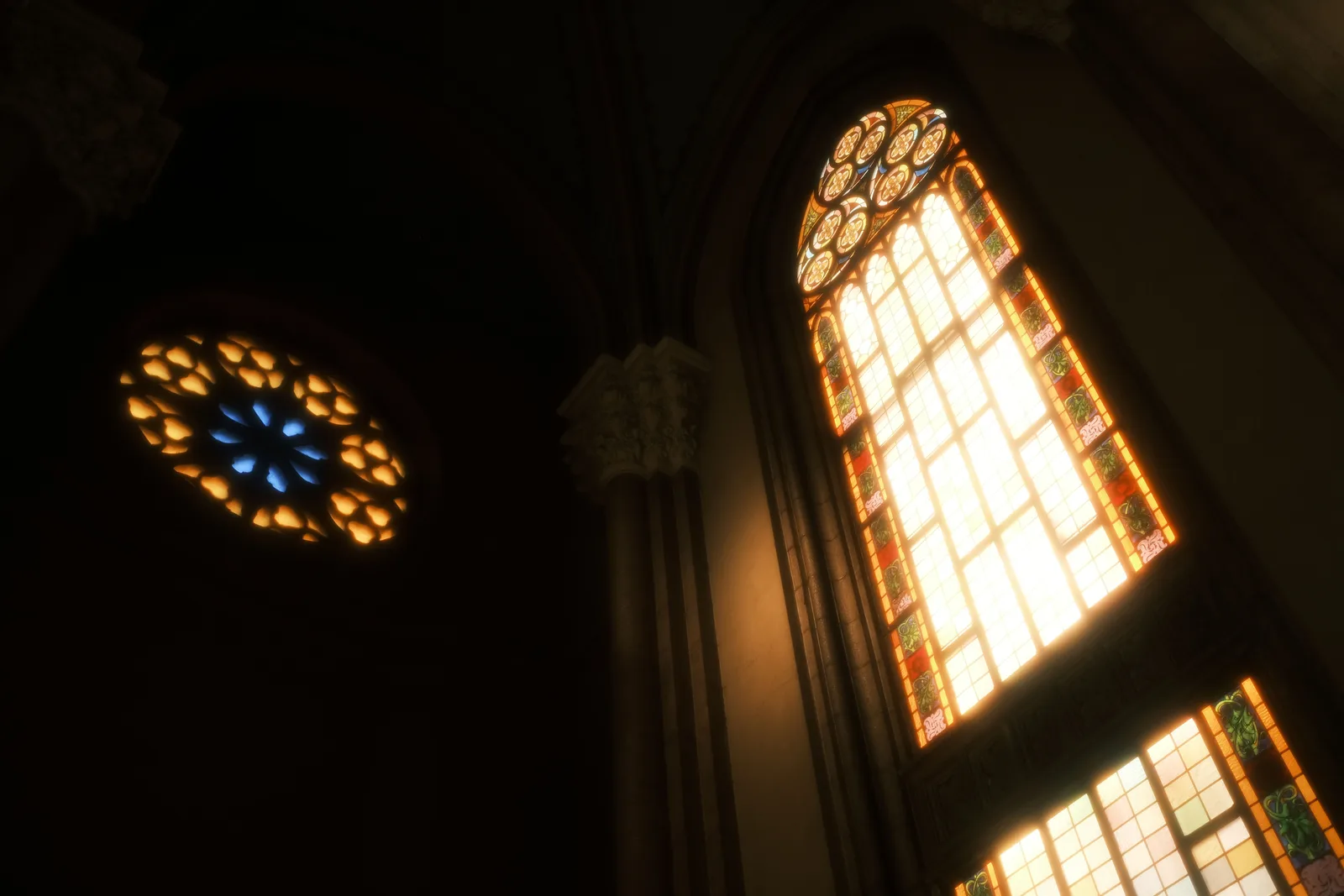
Church interiors typically meter around 1/60 at f/2.8 and ISO 3200, and the altar can be a stop darker than the nave. Plan for it rather than discovering it.
Start here and adjust:
- Shutter 1/200 minimum. People move more during a ceremony than you expect, and a blurred ring exchange has no second take. Do not drop below 1/160 even when the exposure tempts you.
- Aperture f/2 to f/2.8. Wide enough to buy light, closed enough that both faces are sharp during the vows. f/1.4 for two people facing each other is a gamble you lose regularly.
- Auto ISO with a ceiling of 12800, minimum shutter locked at 1/200. Modern denoise handles ISO 6400 comfortably, and grain is recoverable while blur is not.
- Manual white balance around 3200K to 4000K if the church is tungsten lit, or shoot a grey card in the light you will be working in. Auto white balance swings wildly between a window-lit aisle and a lamp-lit altar, and a whole ceremony of inconsistent colour is a genuinely tedious edit.
- Back button focus, single point, on the eye. Continuous autofocus tracking across a dark church finds the flower arrangement more often than the groom.
Expose for the faces and let the stained glass blow out. A recoverable window is worth less than a face with detail in it, and the alternative is silhouettes of the couple against a beautiful window, which the mother of the bride will not thank you for.
Bring the fast primes, not the zoom you like
This is the one part of the day where a f/2.8 zoom is a compromise. The combination that covers a restricted church from the back is a fast 85mm or a 135mm for the couple's faces, and a 35mm for the wide of the whole church.
If you can only carry two bodies, put the long prime on one and the wide on the other and do not change lenses during the service. The noise of a lens swap in a silent church is genuinely disruptive, and you will miss the moment you were changing lenses for.
Turn off every sound the camera makes. Electronic shutter if your body has it without rolling shutter problems, silent or quiet mode if not. Some churches notice this and will tell the couple you were unobtrusive, which is how you get recommended by a venue. The lens kit that covers a whole wedding day is worth revisiting if your fast primes stop at 50mm, because from the back of a long nave that is not close enough.
Know where the four shots come from
There are four frames from a church ceremony that families print, and they come from four different positions. Plan your movements around them:
- The processional, from the front, low, in the aisle, moving out of the way as they reach you. Wide lens.
- The vows, from the side aisle at about 45 degrees, long lens, so you can see both faces rather than two backs.
- The ring exchange and the kiss, from the centre aisle if you are allowed, from the same side position if not. This is the one to prioritise if you can only pick one place to be.
- The recessional, from the aisle, walking backwards, wide, at a shutter fast enough for two people moving towards you.
Between those, work the room: the congregation, the readers, the couple's parents' faces, the hands. A ceremony gallery of only the couple is a thin gallery, and the parents watching is the frame the couple will not have seen.
If you have a second shooter, put them in the balcony for the wide and keep the aisle for yourself. Two people photographing the same angle from ten feet apart is a waste of a second shooter.
Move like you are not there
The rule that separates photographers churches invite back: never cross the centre aisle during the service, and never cross in front of the congregation's sightline. Use the side aisles, move only during hymns and readings when there is noise and movement anyway, and never during a prayer or a quiet moment.
Crouch when you move. Standing up in a seated congregation makes you the tallest thing in the room and puts you in the back of everyone's video.
Pick your positions during the 30 minutes you arrived early, walk them, and note where the floor creaks. Old churches are loud underfoot and you will be grateful you know which board to avoid.
When flash is allowed, use it carefully anyway
Even where flash is permitted, direct flash into a stone church at a wedding is harsh and conspicuous. Bounce off a side wall or a low ceiling if the surfaces are pale, at low power, and only for the recessional and the group shots afterwards. Never during the vows, whatever the permission says.
The place flash genuinely earns its keep is after the ceremony, at the family groups, and later at the reception, where a dark room and a dancefloor need a different approach entirely.
Deliver the ceremony as its own set
Ceremony frames get shared with relatives who were not there, more than any other part of the day except the family groups. Cull them into their own section and put them in order, so a grandmother can follow the service from the processional to the recessional without scrolling past 300 dancefloor frames.
That ordering is a five minute job at delivery and saves the couple from becoming the distribution service for their own wedding. If your gallery lets you hand out a separate guest PIN, as Xposure's do, the wider family can browse the ceremony and buy the frames they want without touching the couple's own selections.
The technical part of a church ceremony is manageable once your settings are decided in advance. What actually goes wrong is arriving without knowing the rules, discovering you cannot leave the back row, and finding your longest lens is a 70-200 you left in the car.