A restaurant menu shot runs $50 to $150 a dish in the US and £40 to £120 in the UK. A half day runs $600 to $1,500 (£300 to £700 outside London), and a full day $1,000 to $3,000 (£550 to £1,200, with London specialists at £1,800 and up). Food brands shooting for packaging or paid ads pay more, usually through a licence fee on top of the day rather than a higher day rate.
The range is wide because a 20-dish delivery app menu and a hero image for a sauce label are different jobs that share a subject. One is throughput, the other is styling time and usage. Price them separately and both are worth taking.
Should you charge per dish or by the day?
Per dish suits restaurants, because owners think in menu items and want to compare quotes. Day and half day rates suit brands, agencies and anything styled, where one image can take an hour and the client cares about the finished set, not the count.
The trick is that per dish pricing is a day rate in disguise. Work out what your half day is worth, divide by how many dishes you can realistically shoot in it, and that is your per dish price. Then put a floor under it: a minimum booking of a half day, or $500 to $600, so a cafe with four new pastries does not cost you a morning for $200.
Run your own half day number through the effective hourly rate calculator first. Travel, setup in someone else's dining room and the edit all come out of it.
How many dishes can you shoot in an hour?
This is the number that makes or breaks a per dish quote, and most new food photographers overestimate it.
- Delivery app and simple menu shots, one locked setup, the kitchen plating in sequence: 8 to 12 dishes an hour once you are running. A half day covers 20 to 30 items.
- Restaurant hero shots with a styled surface, a garnish pass and a second angle: 3 to 5 dishes an hour. A half day gives 10 to 15.
- Styled brand or editorial work with props, pours, crumbs and a light change per setup: 1 to 2 finished images an hour. A full day gives 8 to 12.
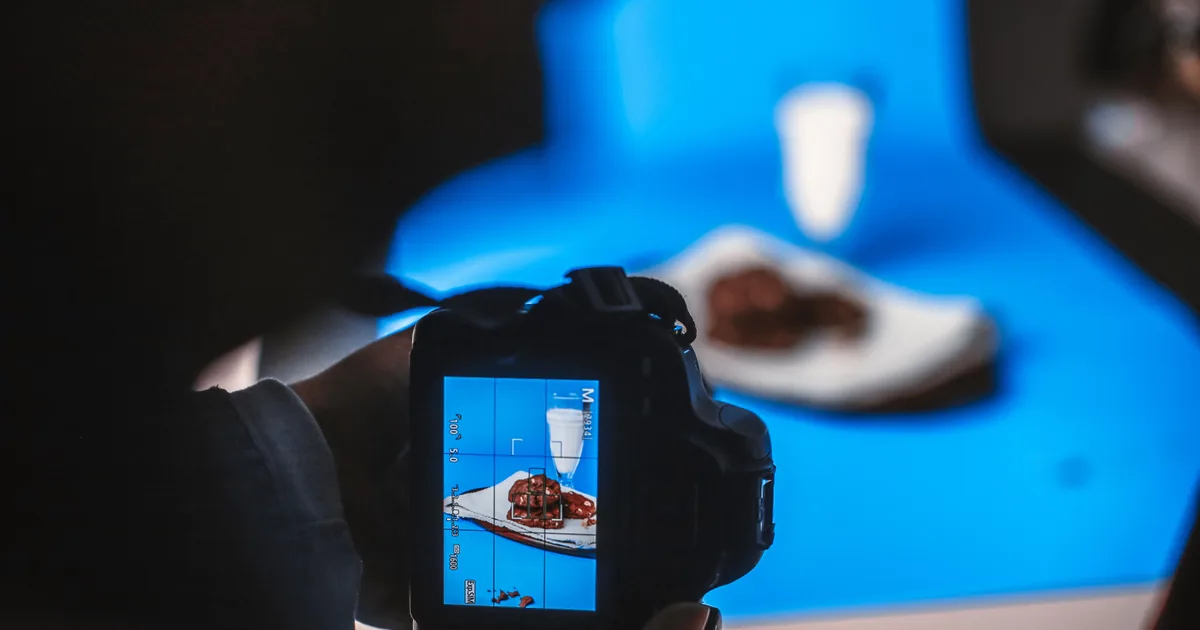
The real limit is usually the kitchen, not you. A chef plating between lunch prep and a delivery runs at their own pace, so quote on their speed. If the setup and the shot list are not settled, the food photography basics covers how to run the day so the plates come out in a useful order.
Who pays for the food stylist, props and ingredients?
The client, on separate lines. None of it is your fee.
- Food stylist: $500 to $750 a day for editorial work, $850 to $1,200 for advertising in the US. In the UK, £250 to £500 a day is typical. Most restaurant jobs do not need one. Most packaging and ad jobs do.
- Props and surfaces: $150 to $500 for rentals on a brand shoot, billed at cost plus a small handling fee. Your own boards and linen are in your rate.
- Ingredients: on a brand shoot, budget two to three times the portions you expect to photograph. Ice cream melts, a burger collapses, a pour goes wrong. The restaurant supplies its own food, so say so in the quote.
- Studio hire, if you are not shooting on site.
A sentence that saves an argument later: "The fee covers photography and editing. Styling, props and food are quoted separately so you can see what each costs."
What should licensing cost for menus, packaging and ads?
Restaurant use is narrow and low risk, so include it in the base price: their own menu, website, delivery app listings and organic social, for as long as the dish is on the menu. That is what a restaurant expects to buy, and charging extra for it reads as nickel-and-diming.
Everything beyond that is quoted separately:
- Paid social and ads: 25 to 100 percent of the creative fee for one year.
- Packaging: 50 to 200 percent, because a jar label can sit on a shelf for five years and the image is the product's face.
- Point of sale, billboards and national campaigns: quoted per campaign.
- Third-party use: a supplier or franchise group using the restaurant's images is a new client, not a free extension.
Write media, term and territory into every quote. The clause wording and how to price an upgrade later is in photography usage rights.
How much should you charge for delivery app menu photos?
This is the low end of the market, and it is honest work if you price it as a production line. $25 to $60 a dish (£20 to £50), with a minimum of 15 dishes or a half day, whichever is higher.
Know the specs before you quote, because they shape the setup. The big delivery apps want landscape images around 3:2 or 5:4, at least 1200 x 800 pixels, one dish per image, no text or logos, and some reject anything with a hand in frame. Check the current spec sheet for each platform the restaurant lists on, and deliver a crop for each.
You are competing with phone photos and AI menu generators at this level. The argument that wins is a consistent set: every dish on the same surface, same angle, same light, so the menu looks like one kitchen. Say that in the quote.
What do restaurant budgets look like, and do retainers work?
Independent restaurants typically spend $800 to $2,500 on a menu launch shoot. Groups and hotel restaurants spend more but buy slower, through a marketing manager and an approval round.
Retainers suit restaurants that post every day and change specials weekly. A working structure:
- Starter: $500 to $1,000 a month (£400 to £800). One two-hour visit, 15 to 25 edited images, vertical crops included.
- Mid: $1,000 to $2,000 a month. Two visits, 30 to 45 images, a few short clips if you shoot video.
Set a three month minimum, invoice on the first of the month, and let unused visits expire rather than roll over. A rollover clause turns into a backlog of six visits owed in December.
How do you charge for reshoots when the menu changes?
Separate two cases in the contract. A reshoot because of your mistake (soft focus, a missed dish) is free. A reshoot because the dish changed is new work at your per dish rate, with the usual minimum.
Menus change seasonally, so sell that up front: "Most restaurants refresh four times a year. I can hold a half day each season at the same rate." It turns a one-off job into a booked calendar. For a restaurant on a retainer, new dishes simply go into the next visit.
The other piece is how the set is delivered. A restaurant hands photos to a delivery app, a printer and whoever runs Instagram, so name files by dish, deliver one gallery per menu season and include the app crops. A PIN-protected client gallery the owner can download the whole set from in one go is the kind of thing a platform built for photographers already handles.
Before your next food quote, write down three numbers: your half day rate, the dishes per hour the kitchen can actually plate, and what the client will use the images for. The price comes out of those, not out of what the last photographer charged them.