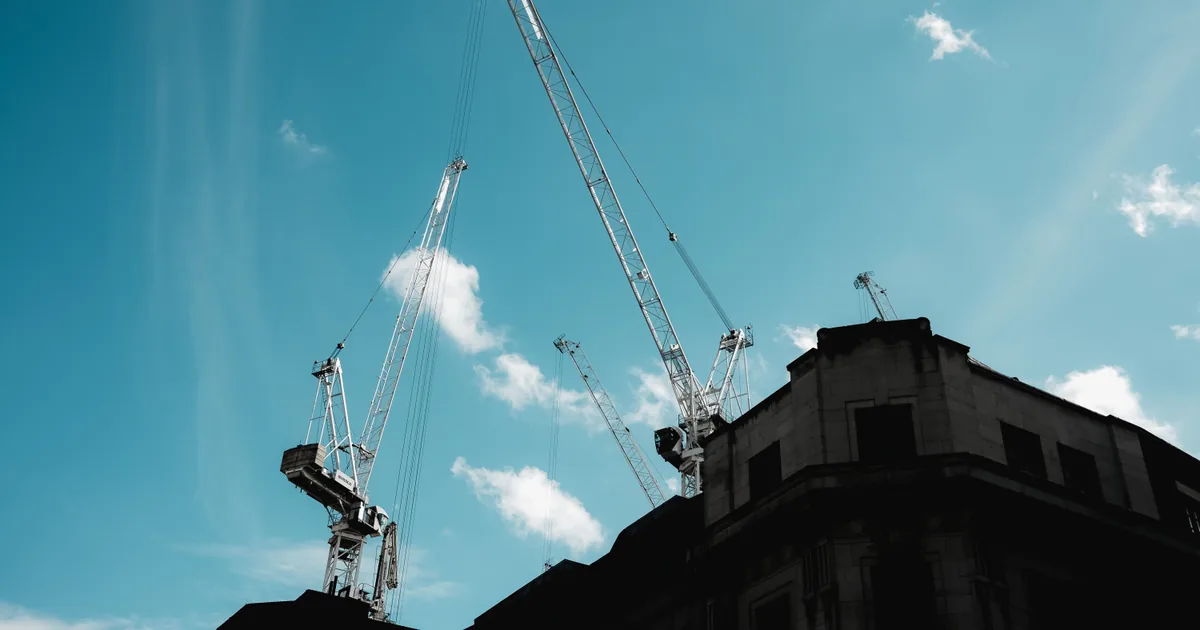
A construction progress visit, about an hour on site with 15 to 30 edited images, runs $250 to $500 in the US and £150 to £400 in the UK. A full day of construction photography is $1,500 to $2,000 in the US and around £600 to £700 in the UK, with half days at roughly 60 percent of that. Priced as a programme, monthly or fortnightly visits across a project come to $3,500 to $12,000, and large commercial builds go well beyond that.
The money is in the contract, not the single visit. A contractor who needs a record every two weeks for 18 months is 39 bookings you only have to win once. Price the visit so it pays on its own, then discount it for commitment.
What does construction photography actually involve?
Three different jobs that clients often call by the same name:
- Progress documentation: the same views, from the same positions, at a regular interval. For the client's records, lenders, claims and disputes. Speed and consistency matter more than beauty.
- Milestone and marketing shoots: topping out, a crane lift, workers on a steel frame. For the contractor's website, tender documents and social.
- Completion photography: the finished building, shot properly. This is architectural work and priced like it, covered in architectural photography pricing.
Ask which one they need in the first reply. A site manager asking for "some photos of the job" usually means progress, and a marketing manager asking the same thing usually means milestones.
How much should you charge per progress visit?
Set a single visit price that covers the travel, the site induction and the edit, not only the hour on site. A structure that works:
- Standard visit: up to 1 hour on site, 15 to 25 images, delivered within 48 hours. $300 to $400 (£200 to £300).
- Extended visit: up to 2 hours, interiors and exteriors, 30 to 50 images. $450 to $600 (£300 to £400).
- Drone add-on: aerial stills from fixed points on the same visit. Pricing for that side is covered in how much to charge for drone photography.
The UK has a budget tier near £150 to £250 for a half or full day. It exists, but it rarely covers insurance, travel and a 48 hour turnaround. Do not chase it.
How should you price a monthly construction photography contract?
Take the single visit price, multiply by the number of visits, and discount 10 to 20 percent in exchange for a fixed term and a fixed schedule. For a 12 month project with fortnightly visits at $350:
- 26 visits at $350 is $9,100.
- With 15 percent off for a 12 month commitment: $7,735, billed monthly at about $645.
Write three conditions into the contract. Visits that the site cancels with less than 48 hours notice are charged in full. Unused visits do not roll over past the end of the month. If the build overruns, the contract continues at the same rate month by month until completion. Overruns are normal in construction, so plan for them.
What site costs should you build into your rate?
Construction sites carry costs that a portrait shoot does not:
- Personal protective equipment: boots, hard hat, high-visibility vest, glasses and gloves. Some sites require specific colours or ratings.
- Site cards and inductions. In the UK many sites require a CSCS card, and each new site has an induction of 30 to 60 minutes. Charge the first one at your hourly rate.
- Insurance. Contractors ask for a certificate of public liability, often with a minimum of £5 million or $2 million, before you go on site. The basics are in public liability insurance for photographers.
- Gear wear: dust on sensors, mud on tripods, rain. Budget a sensor clean every few months.
If you have not priced those, your $350 visit is closer to $250 net. Run the real cost through the effective hourly rate calculator.
Who owns construction photos, and what licence should you give?
You keep copyright. The client gets a licence covering their internal records, reporting to lenders and the owner, legal and insurance use, and their own website and tender documents.
Other parties on the same project, such as the developer, the architect or a subcontractor, often ask for the same images. Each is a separate client. Either license them for 25 to 50 percent of the fee, or set up cost sharing before the contract starts so everyone pays from day one. Hoardings, brochures and paid advertising for the development are commercial use and quoted separately. The general terms are in photography usage rights.
How should you deliver progress photos?
Consistently, because the value of a progress set is that it can be compared.
- Fixed positions. Mark them on a site plan at the first visit, number them, and shoot every position at every visit, in the same order.
- Dates in filenames, for example
2026-11-04_P07_north-elevation.jpg. A claims adviser will search by date and position, not by a pretty filename. - One gallery per visit, named by date, so a quantity surveyor can find week 34 without scrolling through 800 images.
- Fast turnaround. 48 hours is a reasonable standard. A monthly report that goes to the client on Friday needs the photos by Wednesday.
Contractors forward links to people you will never meet: owners, insurers, lenders, lawyers. Give each visit its own PIN-protected gallery that everyone on the list can open and download from without creating an account.
Before quoting your next site, ask the client three questions: how long the build runs, how often they need a record, and who else will receive the photos. The contract price comes out of those three answers.