For a straight answer before the detail: a portrait or family session usually runs $150 to $600, headshots $150 to $500, an event $500 to $1,500, and a wedding $1,500 to $5,000 with plenty of established photographers charging well above that. Figures in euros and pounds land in similar ranges.
Those spans are wide because photography is priced by time, experience, and deliverables, and two quotes for "a family session" can describe genuinely different things. Here is how to read a price.
What the ranges look like in practice
- Family and portrait sessions: $150 to $600 for roughly an hour, with 20 to 60 edited images. Under $150 usually means a newer photographer building a portfolio, and there is nothing wrong with that.
- Headshots: $150 to $500 for an individual. Corporate day rates for a team run $1,000 to $3,000 depending on how many people.
- Newborn: $300 to $900, higher than a standard portrait because sessions run two to four hours and require specific skill and setup.
- Engagement: $300 to $800, and often bundled into a wedding package.
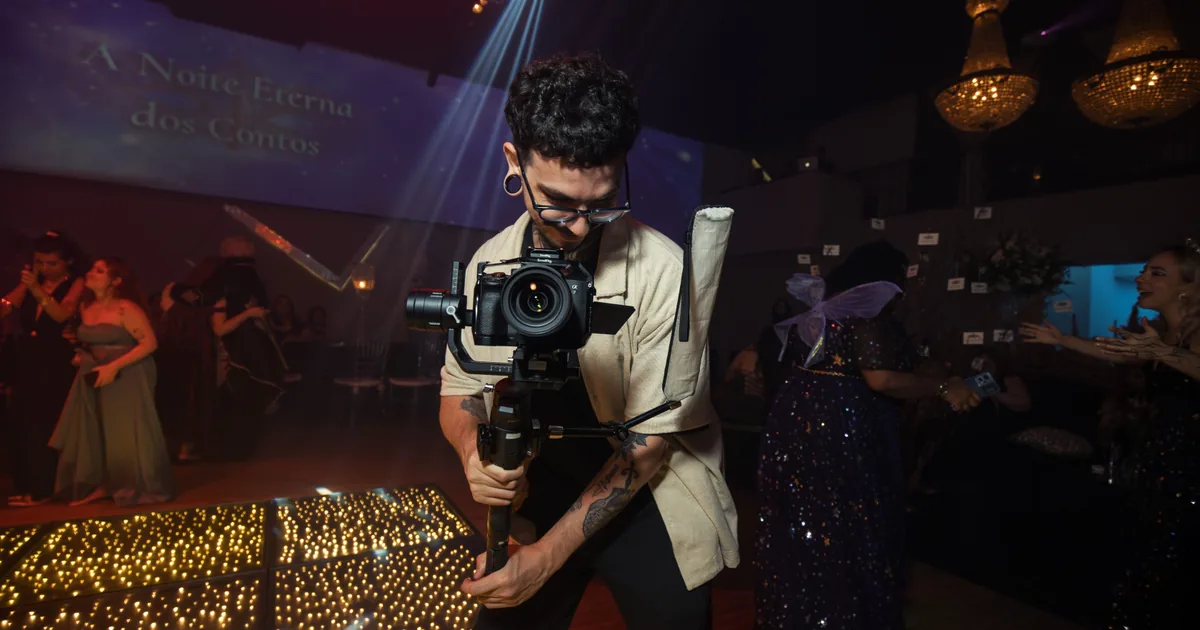
- Weddings: $1,500 to $5,000 for a full day in most markets, with a common middle around $2,500 to $3,500. Big-city and high-demand photographers charge $6,000 to $15,000 and up.
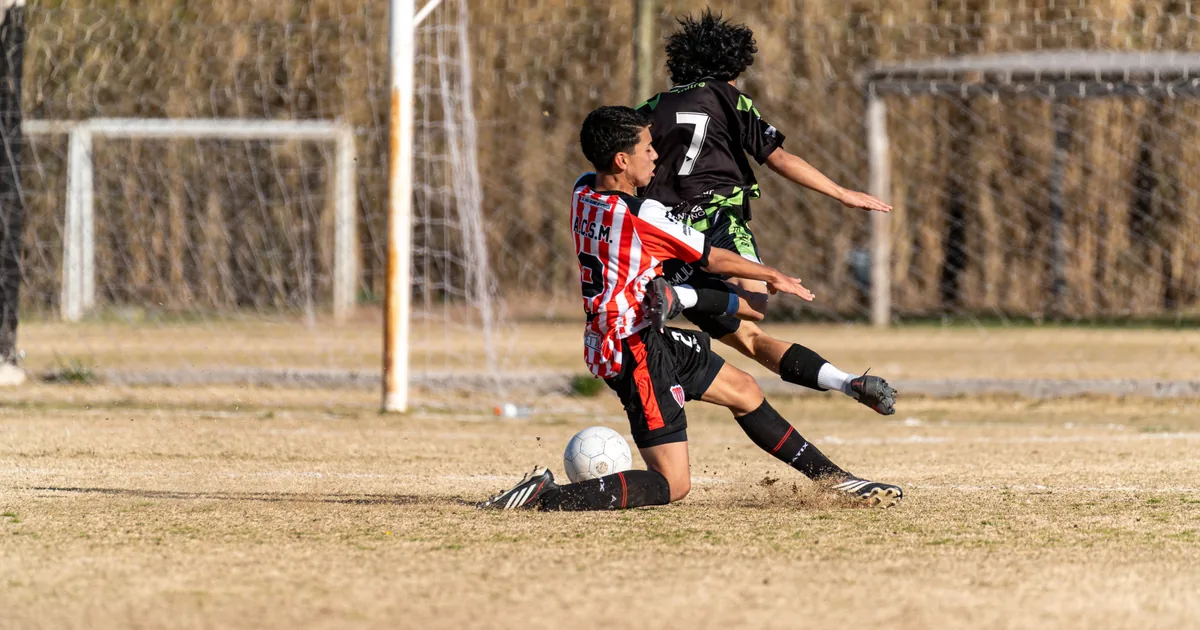
- Events and parties: $500 to $1,500 for two to four hours.
- Real estate: $150 to $400 per property, depending on size and whether floor plans, drone, or twilight shots are included, which is one of the steadiest ways to earn a living with a camera precisely because the pricing is predictable.
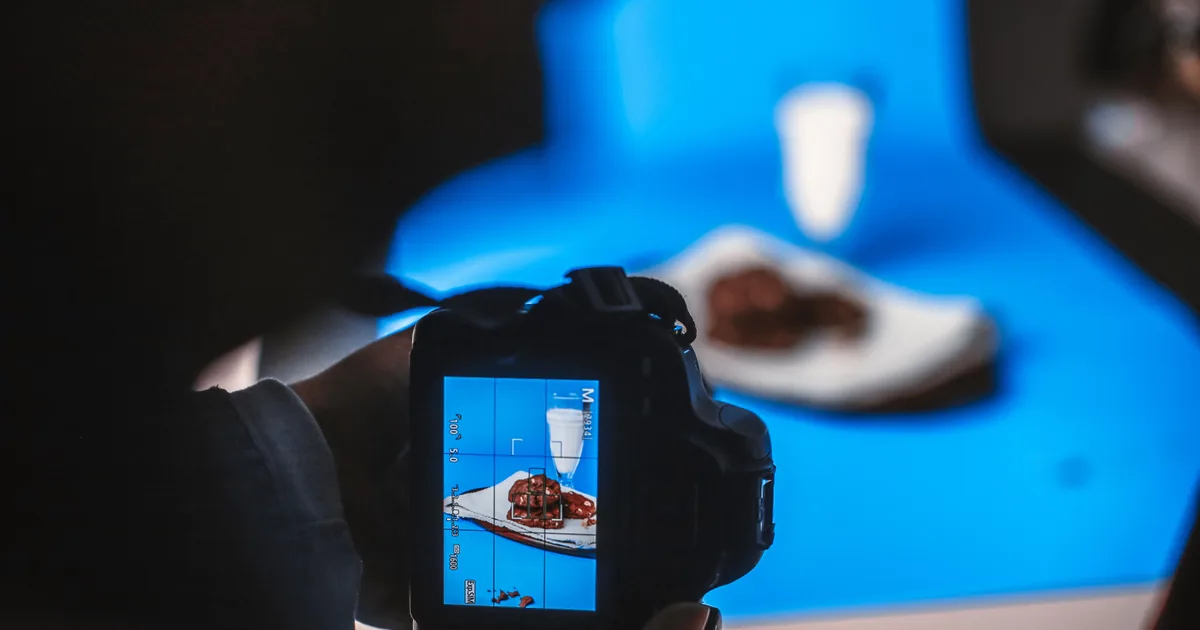
- Product photography: often priced per image, roughly $25 to $150 each, depending on styling and complexity.
Why two photographers quote so differently
Experience is only part of it. The bigger variables:
Time you do not see. An eight hour wedding is more like 30 to 40 hours of work once you add enquiry calls, planning, travel, culling, editing, and delivery. Photographers pricing at $200 a day are not underpricing their Saturday, they are giving away the fortnight.
Equipment and its replacement. Two bodies, three lenses, lights, and a computer capable of processing raw files is $8,000 to $15,000 of kit that wears out and gets replaced.
Business costs. Insurance, software subscriptions, a website, backups, taxes, and a pension. A rough industry rule is that self-employment costs consume a third to a half of gross revenue before anyone is paid.
Risk. A wedding cannot be reshot. Part of what you are buying is redundancy: two cameras, dual card slots, backup lighting, and someone who has handled a church with no light in it before.
What should be in the quote
The number matters less than what it covers. Check these five things and most price confusion disappears:
- How many edited images, and whether they are delivered at full resolution.
- Turnaround time, in writing, and whether that timeline is realistic for the season.
- Usage rights. Personal use is standard, and businesses need commercial usage that is usually priced separately.
- How long the gallery stays online, which is a different question from how long the files are kept.
- What is extra: travel, second shooter, prints, albums, rush delivery, overtime beyond the booked hours.
A cheap package with 15 images and a 30 day gallery can easily cost more than a mid-priced one with 60 images and a year of hosting, once you have paid for the extras.
Why the cheapest quote is a risk, and the most expensive is not automatically better
The genuine risk at the bottom of the market is not skill, it is stability. Someone charging well below cost is not running a sustainable business, and the common failure modes are disappearing before delivery, long silences, and no insurance if something goes wrong at the venue.
At the other end, the price often reflects demand and reputation rather than a better photograph on the day. Look at complete galleries rather than a portfolio of highlights. Anyone can produce ten strong images. The question is whether the whole set from one wedding is consistent, which is the thing you will actually receive.
The questions worth asking before you book
- Can I see two or three full galleries from recent sessions like mine?
- What happens if you are ill on the day?
- What is your turnaround, and what is it in peak season?
- Is the deposit refundable, and what is the cancellation policy at each stage?
- Are you insured, and can you provide proof if my venue asks?
The answers tell you more than the price. A photographer with clear written answers to all five is running a business, and the contract they send should cover the same ground.
How to spend less without regretting it
Real options, in rough order of how much they save:
- Book off-peak. A Friday or a winter wedding is frequently discounted, as is a weekday portrait session.
- Book fewer hours. Six hours of wedding coverage that ends after the first dances captures nearly everything most couples look back at.
- Skip the album at first. You can order one later from the same gallery, and most photographers keep album design available for existing clients.
- Take the digital files without prints, then print yourself at a decent lab.
- Hire a newer photographer with a portfolio you like. Two years in with a consistent style is often excellent value.
What is generally not worth cutting: the number of edited images down to a token handful, and the photographer's second camera at a wedding.
If you are the photographer reading this
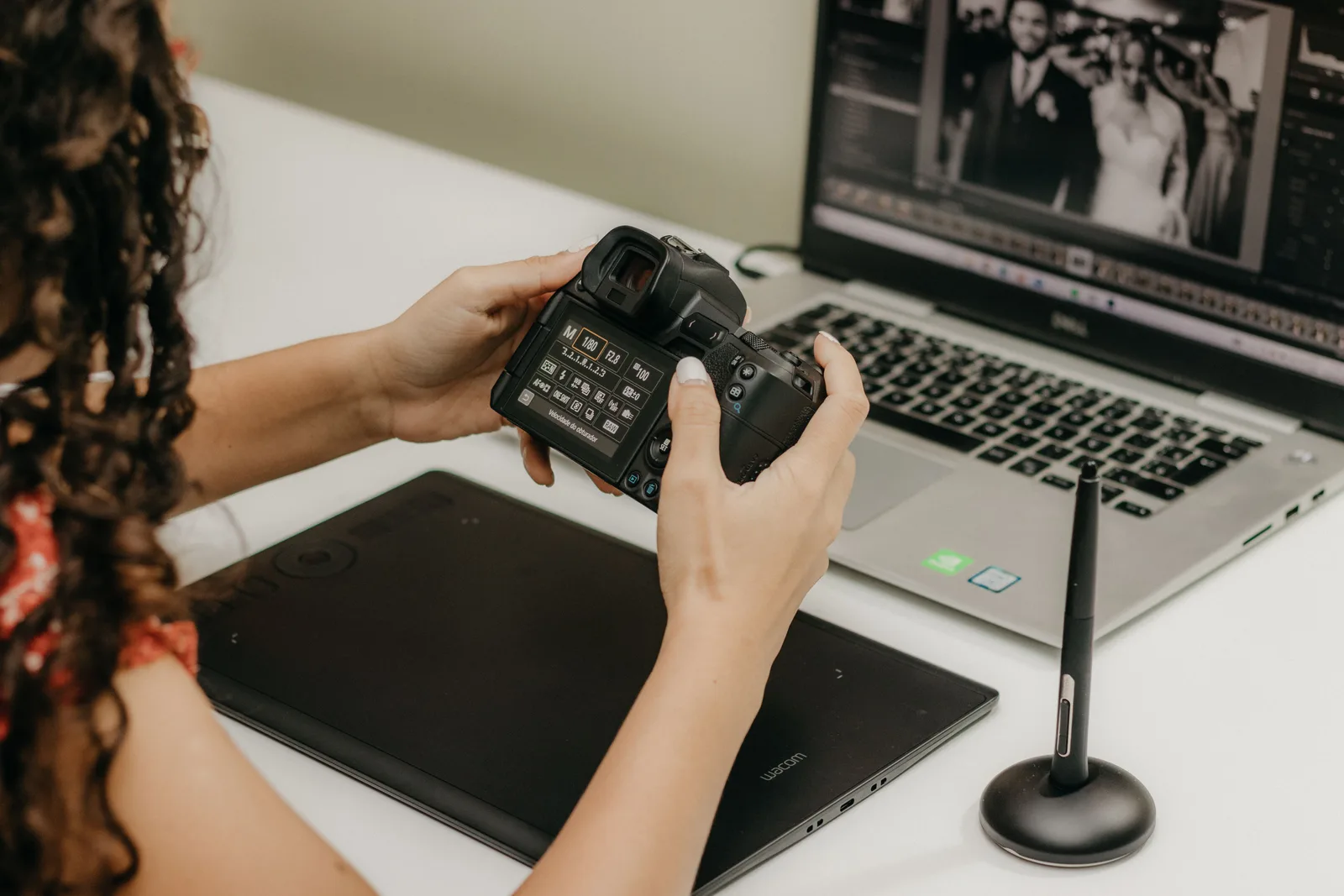
Clients ask the price question first because it is the only variable they know how to compare. The fix is to make the other variables visible: images delivered, turnaround, gallery duration, and rights, all stated plainly on the page next to the number.
Publish a starting price, even if it is a from figure. Enquiries that arrive knowing roughly what things cost convert far better than the ones that came for a mystery, and it saves you the quotes that were never going to book. If your own numbers are guesswork rather than arithmetic, pricing your photography so you actually make money is the calculation, and the hourly rate calculator does the boring part of it.