For a wedding you need two camera bodies with dual card slots, two or three lenses that cover wide to short telephoto, two or three flashes with a trigger, at least twice as many batteries and cards as your average wedding uses, a way to carry two cameras for ten hours, and an emergency kit for the problems that are not yours but become yours. The kit is not what makes a wedding photographer good. It is what stops a broken body or a dead battery from becoming the story of the day.
This is the list in the order you pack it. Lens choice has its own post, and the night before routine of charging and formatting is in the pre-shoot checklist, so here the focus is what goes in the bag and why.
What camera gear do you need for a wedding?
- Two bodies, ideally the same model so the buttons are where your thumb expects them in the dark. If you only own one, rent a second for every wedding until you can buy it.
- Dual card slots on both, set to record to both cards at once (backup or mirror mode, not overflow). A single card failure during the vows is the one disaster with no fix afterwards.
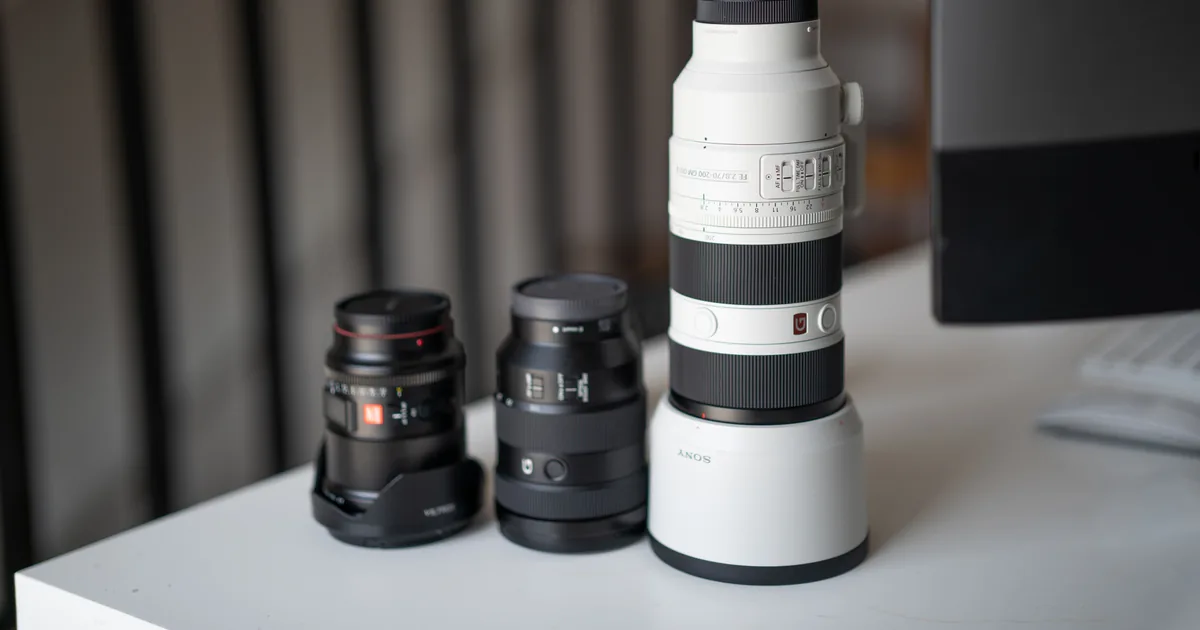
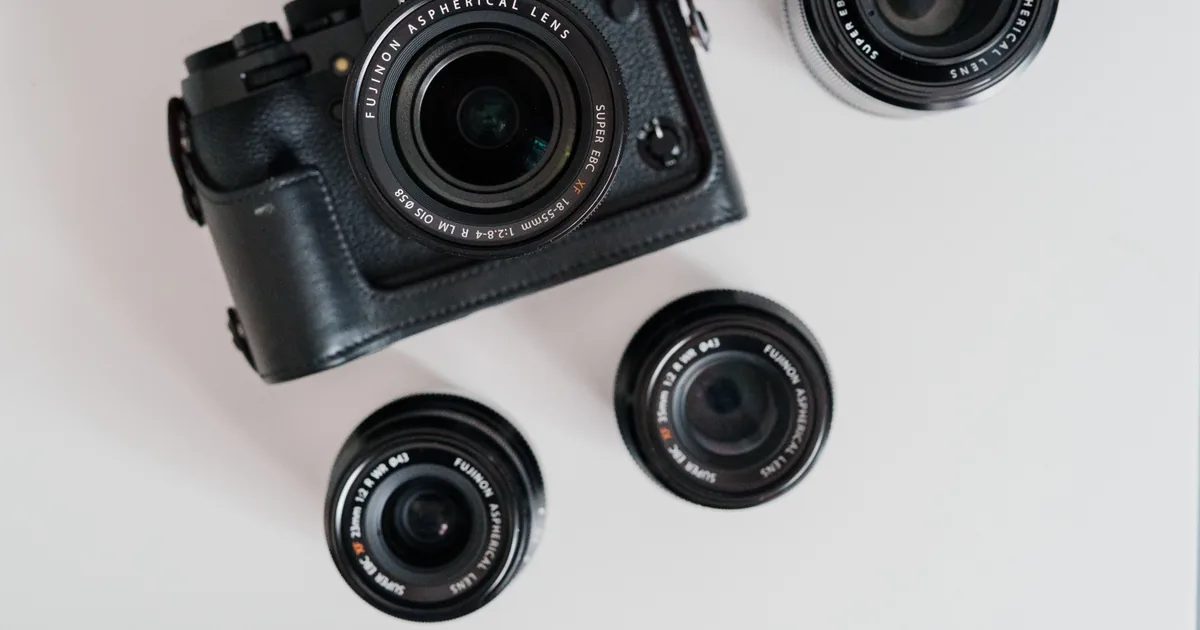
- Two or three lenses that cover wide, standard and short telephoto: a 24 to 70mm and a 70 to 200mm, optionally with a fast prime, or primes such as 35mm and 85mm. The reasoning and the buying order are in the best lenses for wedding photography.
- A macro lens or extension tube for rings and details if your other lenses cannot focus close.
- Lens hoods on everything. They protect the front element when a body swings into a door frame.
How many batteries and memory cards do you need for a wedding?
Count from your own last three weddings, not from a spec sheet. Note how many frames you shot and how many batteries each body went through, then pack twice that. Mirrorless bodies with the screen and viewfinder on all day drain faster than a spec sheet suggests, and a cold outdoor ceremony drains them faster again.
For cards, carry enough that you never have to reuse one on the day. Swap cards at natural breaks (after the ceremony, after the portraits) so no single card holds the whole wedding. A full card goes into a card wallet that stays on your body, not in the bag that sits by the dance floor.
Batteries for everything else go on the same list: AA cells or lithium packs for every flash and trigger, plus a spare set for each.
What flash and lighting gear should you bring?
- Two or three speedlights, one on camera and one or two off camera for the reception.
- A radio trigger for each body, with fresh batteries.
- One or two light stands that fold short enough to fit under a table.
- Gels, at least a half and a full CTO, so the flash matches warm venue lighting.
- A small LED panel for ring shots, details in a dark room, and as a focus aid during the first dance.
- A collapsible reflector for portraits in harsh sun.
How to use them in a dark room is covered in wedding reception flash. Pack them even if the venue looks bright on the walkthrough, because the evening never does.
How do you carry two cameras all day?
A double harness or a belt system with two holsters, so both bodies hang at your hips and neither strap crosses your neck for ten hours. Add a small belt pouch for a spare battery, a spare card and a lens cloth, so the most common swaps happen without walking back to the bag.
Keep the main bag light enough to move quickly between the ceremony and the venue. A rolling case is fine for the car and the reception, but you want a shoulder bag or backpack you can carry across a field.
What goes in a wedding photographer's emergency kit?
This is the part that wins you referrals, because you are often the only person at a wedding carrying a bag of solutions.
- Sewing kit with white, ivory and black thread, and a few safety pins of different sizes
- Double sided fashion tape for necklines, straps and hems
- Stain remover pen and a pack of wet wipes
- Blotting papers and a small pack of tissues for the speeches
- Hair grips and a few clear elastics
- Small scissors for loose threads and price tags on new shoes
- Lint roller for dark suits before the portraits
- Plasters and painkillers, plus blister plasters for new shoes
- Gaffer tape and a few cable ties, for a loose cable, a flash on a pillar or a broken bag strap
- Small torch for finding things on the reception floor
- Power bank and phone cable, which you will lend to someone
- Mints, a cereal bar and a bottle of water for you, because the meal break for suppliers is never guaranteed
- A white or clear umbrella, which can rescue an outdoor portrait in light rain
The kit fits in a small pouch and should stay in the wedding bag permanently.
What paperwork and admin should you pack?
- The timeline printed, with the venue address and the planner's number.
- The family list with names, so you can call out groups in order. The wedding family photo list has the format that keeps that part to twenty minutes.
- The couple's must have shots and any people to avoid photographing.
- Venue rules: flash restrictions, where you can stand in the ceremony.
- Cash or a card for parking, and your phone fully charged.
Your own clothes matter too. Dark, plain clothes that do not compete with the guests, and quiet shoes with soft soles that you can stand in for twelve hours. Pack a spare shirt for the evening in a hot summer.
How do you protect the files before you leave the venue?
Dual slots give you two copies from the moment you press the shutter. Keep them apart: one set of cards in the card wallet on your body, the other in the camera or in a separate pouch. If you can, copy the first cards to a laptop or a portable SSD during a quiet stretch in the evening. Never format a card at the wedding.
At home, the files go onto two drives before you sleep, as described in the backup workflow. The cards stay untouched until the backups are confirmed.
Print this list, laminate it, and keep it in the wedding bag. Pack against it the night before and again as you leave the venue, because the most common lost item is not forgotten at home, it is left on a chair at the reception.