Almost every ruined shoot traces back to something that could have been checked the night before. A dead battery. A card left in the reader. A client who thought the session started an hour later than you did. None of it is dramatic, and all of it is avoidable.
A checklist is not a sign that you are a beginner. Surgeons and pilots use them precisely because they are experts working under pressure, where a small miss is expensive. Here is the one we run before every session.
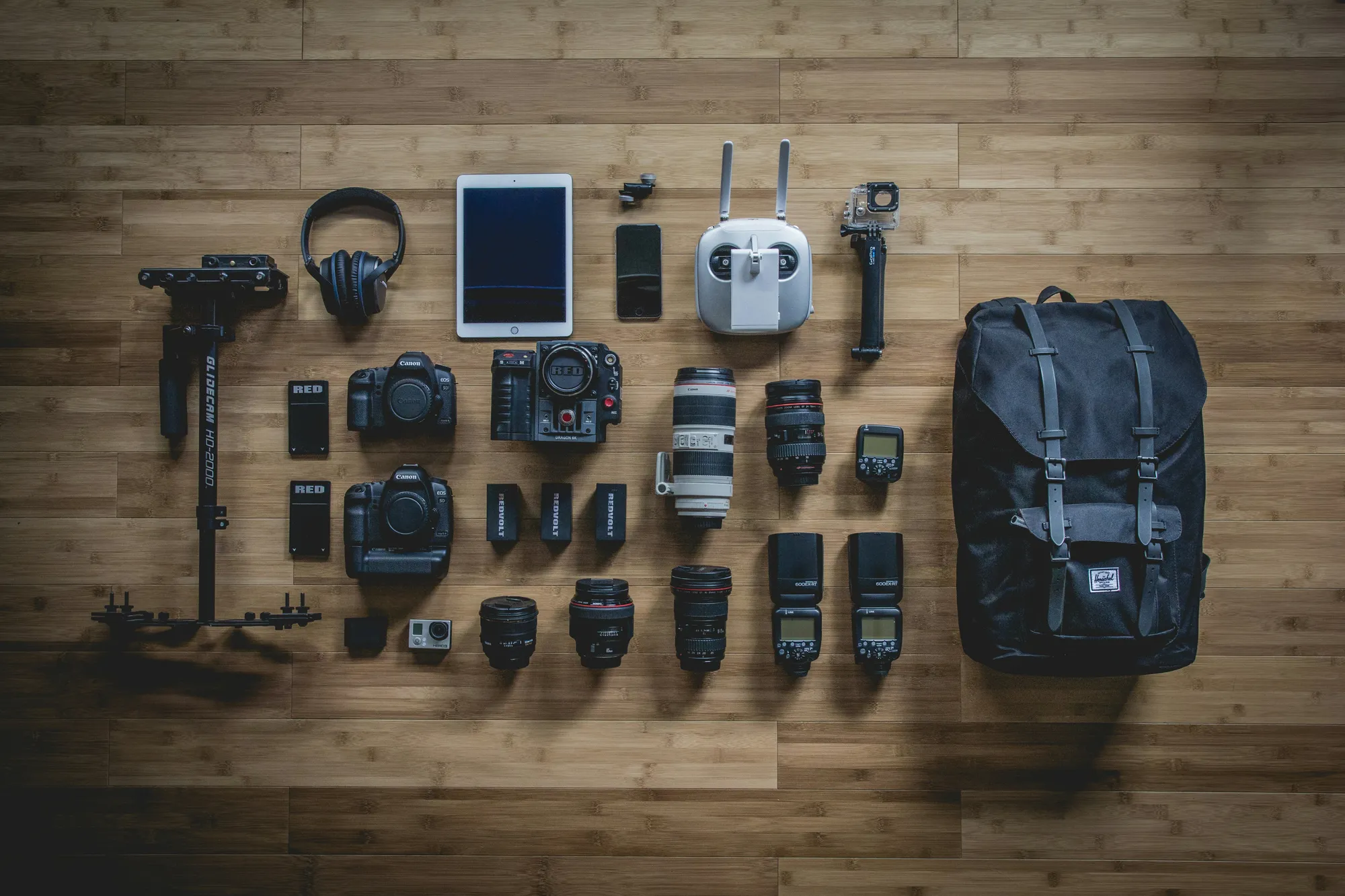
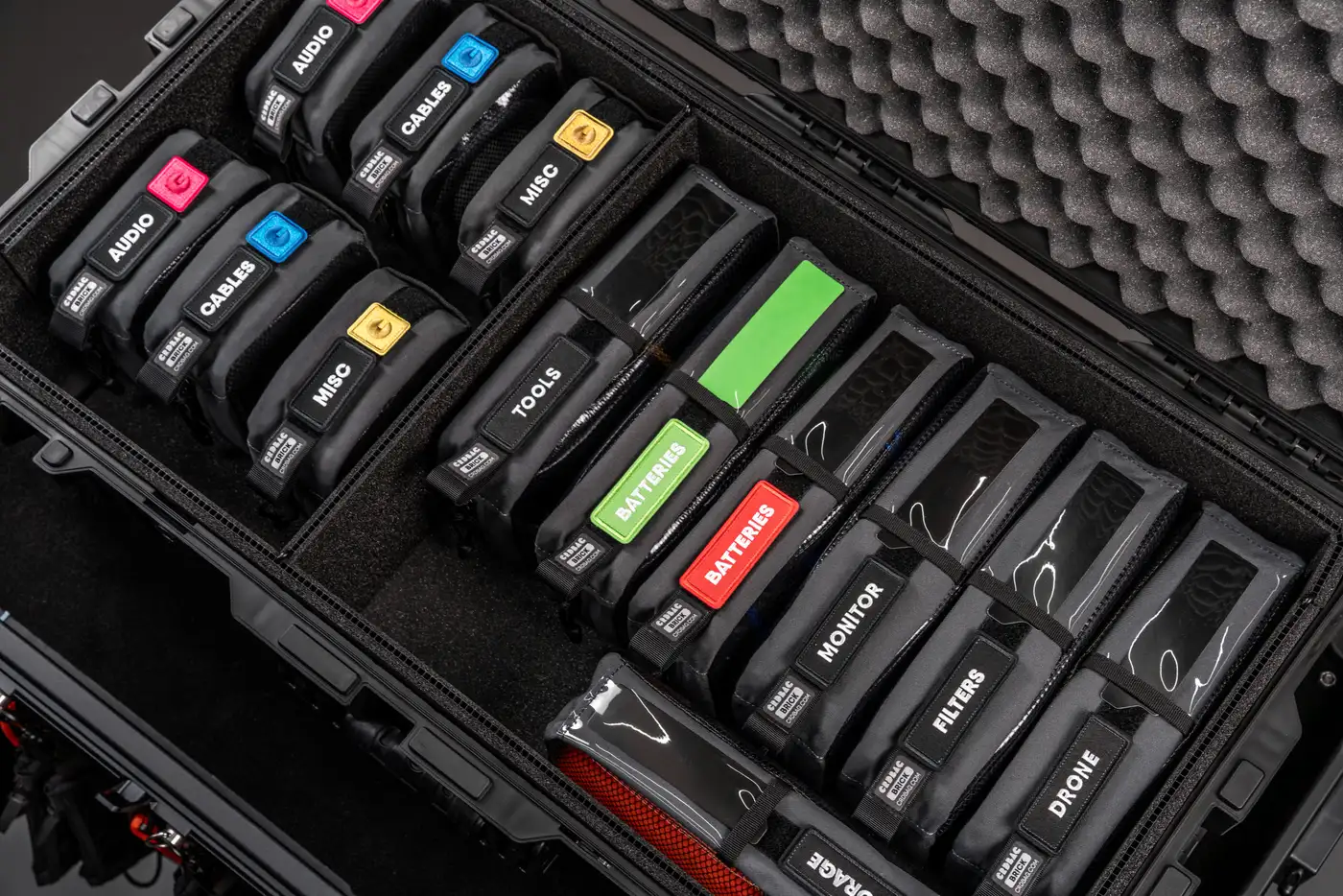
The night before: pack and power
Do this the evening before, never the morning of. Rushing while you pack is how things get left behind.
- Charge every battery, including the spares, and the ones in the flashes.
- Format your cards in-camera, not on the computer, so the file structure is clean and you start with confirmed empty storage.
- Physically put the cards back in the camera. The reader is where cards go to be forgotten.
- Clean your lenses and check the front and rear elements for dust and smears.
- Pack a second body if you own one. Gear fails, and it always fails on the shoot that matters.
Confirm the shoot with the client
The most common disaster is not gear, it is a mismatch about time or place. Send a short confirmation the day before with three things spelled out: the exact start time, the exact location with a map link, and what to bring or wear. Ask them to reply so you know it landed.
A one-line confirmation the day before prevents ninety percent of no-shows and late arrivals. It costs you thirty seconds and buys you the whole day.
If parking, access, or a venue contact matters, put it in that same message. Every question you answer in advance is a question that will not eat into your shooting time. Most of those facts should already be sitting in the questionnaire you sent at booking, so the confirmation becomes a check rather than an interrogation.
Check the conditions
Look up sunset and, if you can, the golden hour window for the exact date and location. Light is your main material, and knowing when it turns good lets you plan the order of the shoot around it. Check the weather too, and have a wet weather plan you can offer without panic if it turns.
For any location you have not shot before, scout it, even if only through a map and a few photos online. Knowing where you will stand before you arrive means you spend the session directing people, not hunting for backgrounds.
Set the camera to a known baseline
Arrive with your camera already at sane defaults so you are never fighting a setting left over from the last job. Before you leave, reset to a baseline you trust:
- Shoot RAW, and if your body has dual slots, write to both for a live backup.
- Auto ISO with a ceiling you are comfortable with, and a minimum shutter speed that will freeze your subject.
- White balance on a sensible preset rather than a stray custom value from yesterday.
- Continuous autofocus for anything that moves, and single for static portraits.
You will adjust once you are on location, but starting from a known state means your first frames are usable instead of a warm-up you have to throw away.
The five-minute arrival routine
When you get there, resist the urge to start shooting immediately. Spend five minutes: greet the client and put them at ease, take a few test frames to confirm exposure and focus, and glance at the back of the camera to make sure the files are actually landing. Those five minutes are the cheapest insurance you will ever buy.
None of this is glamorous. That is exactly why it works. The photographers who look calm and in control on the day are not calmer people, they are people who handled the boring parts the night before.
The simplest way to keep half this list permanently done is to leave the consumables in the bag rather than repacking them each time, which is one of the things worth thinking about when choosing a bag you will still be using in five years.