Most booking software was not built with photography in mind. It was built for a nail salon or a personal trainer, where a booking is just a name and a time slot. A photography booking is a name, a time slot, a package, a deposit, a contract, and a calendar that had better not double book you on a Saturday in June. Bolt a generic scheduler onto that and you end up doing half the work by hand anyway, which defeats the point of having a booking system at all.
Here is what actually matters when you are choosing one.
Start from the moment of yes
The test that matters most is what happens the second a client decides to book. If saying yes means you now have to manually send a contract, wait for a signature, then separately request a deposit, you have reintroduced every delay a booking system is supposed to remove. The tools worth paying for turn "yes" into a signed contract and a paid deposit in the same sitting, on the client's phone, before they have put it down.
Deposits should be automatic, not a follow-up email
A client who says yes and then waits three days for a Venmo request has had three days to change their mind, get a cheaper quote, or simply forget. The deposit needs to be part of the booking flow itself, collected at the moment of confirmation, not a task you remember to do later that week. Whether it is a flat amount or a percentage of the package, it should be configurable once and then handled automatically from then on.
Contracts need to travel with the booking, not live in a separate tool
If your contract lives in one app and your booking lives in another, you are the integration layer between them, manually. That works until you are busy, and busy is exactly when a step gets skipped. Look for a system where the signed contract is attached to the booking record itself, not a file you have to go find and match up later when a dispute comes up. Your cancellation policy belongs in that same signed contract.
Your calendar has to be the real one
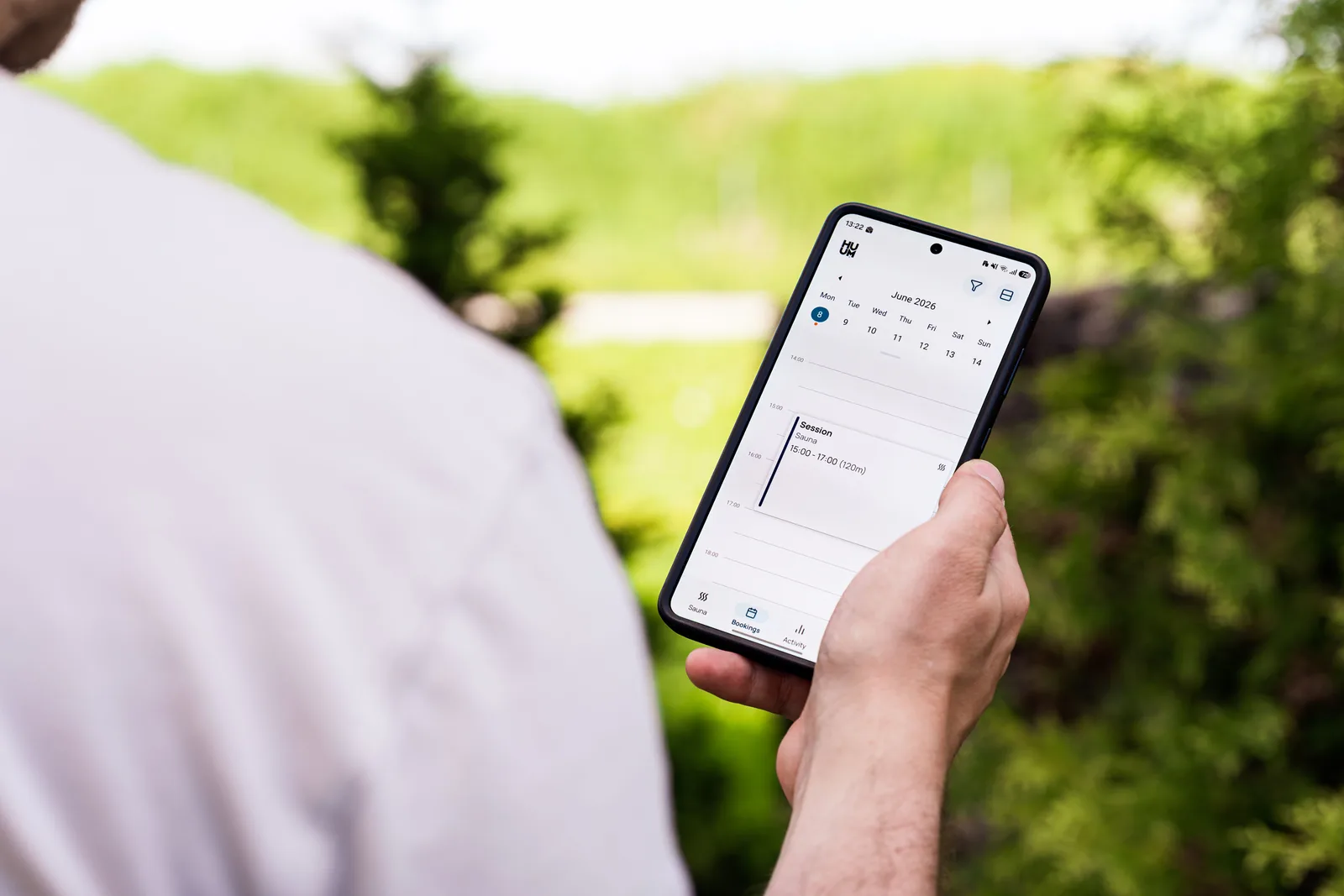
A booking system that keeps its own separate calendar, disconnected from the one you actually check, is how double bookings happen. You need two-way sync with whatever calendar you already live in, so a personal appointment blocks a client from booking that slot and a confirmed session shows up automatically where you will actually see it. One-way sync, where bookings appear on your calendar but your calendar's busy times do not block new bookings, is not good enough.
Fewer logins beat more features
For your clients, the ideal is one place to see everything: the booking they made, the contract they signed, the invoice, and the gallery once it is ready, without a separate password for each. Every extra login is a moment where a client gives up and messages you instead, which puts you right back to doing manually what the system was supposed to handle.
Weigh the switching cost honestly
If you already have a working setup across two or three separate tools, switching everything into one platform is real work, exporting client records, re-training yourself, occasionally chasing down a booking that fell through the cracks during the move. That cost is real and worth naming before you commit to a switch, not discovered halfway through it.
That said, the ongoing cost of staying fragmented compounds quietly. Every manual deposit request, every contract you have to go find, every double booking you catch by luck rather than design, is a small tax you pay every single week for as long as you keep the old setup. A platform that handles booking, deposits, contracts, and calendar sync together, the way Xposure's Studio Manager does, is worth the one-time cost of switching if you are paying that weekly tax already. Do the math on your own calendar before you decide, but do the math on both sides of it.