Private one-to-one photography lessons run $100 to $200 an hour in the US, with experienced teachers in big cities at $250. In the UK the range is £40 to £100 an hour, with tutor marketplaces listing beginners from £15 and London studios charging £500 and up for a full private day. A private half day sits around $350 to $600 (£160 to £300), a full day $600 to $1,200 (£280 to £550).
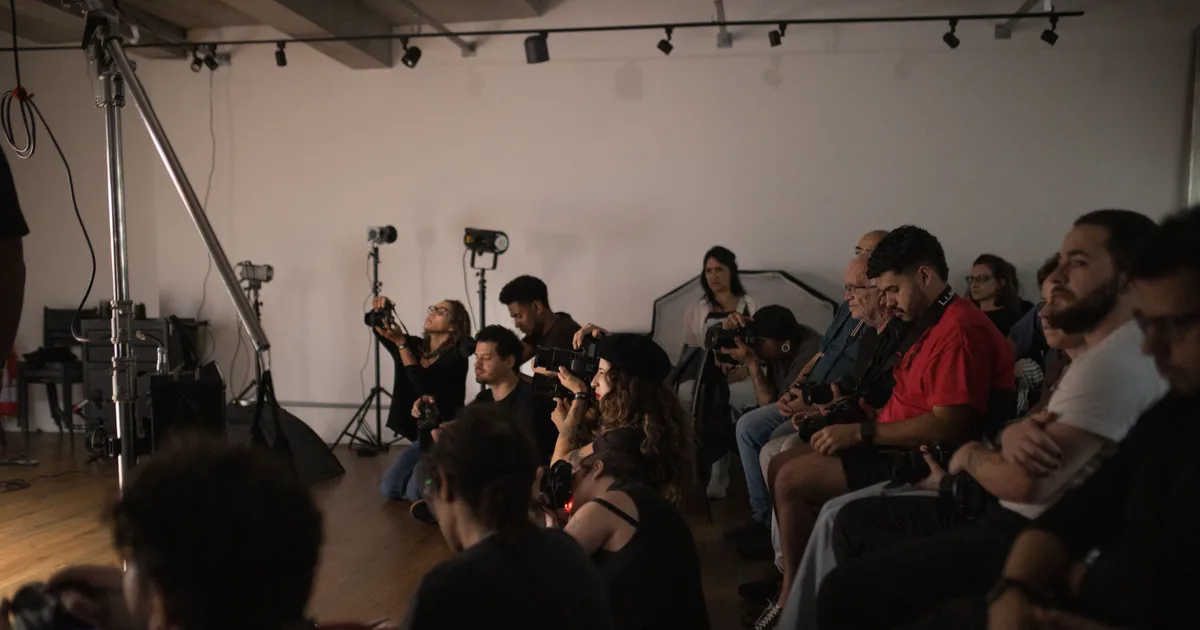
Group workshops are priced per head instead: $95 to $300 for a half or full day beginner class in the US, £60 to £150 in the UK, and several times that for a multi-day landscape or travel workshop with a known name attached.
What should you charge per hour for private photography lessons?
Start from what an hour of your shooting time earns, then decide whether teaching should match it. For most working photographers it should come close. A lesson has no edit, no delivery and no gallery, but it does have prep, travel and the follow-up email answering the question the student forgot to ask.
A sensible ladder:
- Newer photographers teaching camera basics: $75 to $100 an hour (£35 to £50). Below $75 you are competing with free video courses and losing.
- Working professionals with a portfolio in the subject: $125 to $175 an hour (£55 to £80).
- Recognised specialists (published landscape, established wedding or studio lighting): $200 to $250 an hour (£90 to £150).
Online lessons over a video call usually run 20 to 30 percent below in person, because nobody travels. Run your number through the effective hourly rate calculator before you publish it. The hourly pricing breakdown explains why a paid hour carries unpaid ones behind it, and teaching is no exception.
Should you set a minimum lesson length?
Yes. Set a two hour minimum for in person lessons. A one hour lesson spends 15 minutes on menus and settings before the student has taken a photo, and the travel time is the same as for three hours.
Two hours is enough to cover exposure, shoot a short walk, and review the results on the back of the camera. A student who balks at two hours is usually better served by a group class, so point them to one rather than dropping the minimum. Online, one hour works fine as a minimum because nobody is driving.
How much should a group photography workshop cost?
Price the workshop from a target total, then divide by realistic attendance, not maximum capacity.
Say you want $1,200 for a Saturday beginner workshop, including prep, a venue and a printed handout. Capacity is eight. If you price at $150 a head assuming eight people and six turn up, you made $900. Price at $199 and you clear your target at six, with two more seats as margin.
Typical per head ranges:
- Two to three hour beginner class (indoor, small group): $75 to $150, £45 to £90.
- Half day field workshop (city walk, golden hour, a park): $125 to $250, £70 to £150.
- Full day with a venue, models or lighting: $250 to $450, £150 to £300.
- Multi-day landscape or travel workshops: $400 to $900 a day per person before accommodation, which is billed separately.
Keep groups at six to ten. Past ten, nobody gets their settings checked and the reviews start to say so.
Should you sell lesson packages or single sessions?
Sell both, but push the package. A bundle of three two hour lessons at a 10 to 15 percent discount does two things: the student actually progresses, and you stop selling one lesson at a time.
A working structure:
- Single lesson: two hours at your full rate.
- Three lesson course: six hours, 10 percent off, booked as three dated sessions up front.
- Five lesson mentoring: ten hours plus one portfolio review by email, 15 percent off.
Put an expiry on the bundle, usually three to six months from purchase. Without one you end up owing a session to someone who bought in spring and resurfaces the following winter.
Should you charge more for business mentoring than camera lessons?
Yes. Teaching someone to shoot in manual and teaching them to price, book and run a photography business are different products with different buyers. A hobbyist pays for the first out of disposable income. A new professional pays for the second because it should earn back its cost.
Mentoring for photographers typically runs $150 to $350 an hour, or a package of three to six calls with written notes in between. Be careful who you mentor in your own city: you are training a competitor, so many photographers only mentor outside their area, or only online.
What should you put in the booking terms for lessons?
Lessons get cancelled more often than shoots, because nothing is riding on them. A bad week, a cold, a camera that has not arrived. Your terms need to cover that without making a hobbyist feel trapped.
- Payment: private lessons paid in full at booking, or a 50 percent deposit for anything over $300. Workshops paid in full, since you are booking a venue and a model on the strength of it. The deposit guide covers how to word the non-refundable part.
- Rescheduling: free with 48 hours' notice for a private lesson, once. After that, the session counts as used.
- Workshop cancellations: full refund up to 14 days out, credit to a future date after that, no refund inside 72 hours unless you can fill the seat.
- Weather: for outdoor lessons, you decide the day before and offer a new date, not a refund.
The cancellation policy tool will generate the wording if you would rather start from a draft.
Do you need insurance to teach photography?
Check your policy before the first lesson. Public liability that covers your shoots often covers teaching, but some policies exclude instruction or limit it to a set number of people. A group workshop in a park, with eight strangers stepping backwards for a better angle, is exactly the situation it exists for. Venues will often ask for a certificate before they let you hire a room.
If you rent models for a lighting workshop, get a model release that covers students' use of the images as well as your own, and say in the booking terms that students may use their workshop images in a personal portfolio only.
Set each lesson up as a package with a fixed duration, a deposit and a contract the student signs by typing their name, and send a questionnaire asking what camera they own before the first session.
Before you publish lesson prices, write three packages with fixed durations: a two hour private lesson, a three lesson course and a group workshop date with a seat limit. Put each on a booking page with its price, its deposit and the terms attached.