Your first ten clients are not on Instagram. They are in your phone already, and in the twenty local businesses within a mile of you that are currently photographing their own work badly. Everything else in the marketing advice pile, hashtags, ads, a better website, a newsletter, only starts working once those ten exist and have left reviews behind them.
That is the actual problem with starting out. It is not that you are unknown, it is that you are unproven, and the only cure for unproven is a small number of real jobs done properly. Here is how to get them without waiting for anyone to find you.
Write the list of forty before you do anything else
Open your contacts, your messages, and whichever social app you actually use, and write down forty names of people who would recognise your name if it appeared on their screen. Old colleagues, your dentist, the person who cuts your hair, your sister's friend who just got engaged, the guy who runs the coffee place you go to.
Then message them individually. Not a story post, not a broadcast, not "open for bookings". Something closer to this:
Hi Sam, I have started taking on portrait work and I am booking a few sessions in October at $150 while I build the portfolio. If you have been meaning to get photos of the kids, I would love to be the one who does it. Happy to send some recent work.
Forty personal messages usually produce three to six bookings and about ten "maybe in the spring", which is a better first month than most photographers get from a year of posting. The reason it works is not the discount. It is that the message is addressed to one person and names a specific thing you want.
Be the person for one thing, in one place
"Photographer" is not something anyone searches for or recommends. "The newborn photographer in Bristol" and "the guy who does headshots for the estate agents on the high street" are. When a friend of a friend asks for a recommendation, people can only pass on a name they can attach to a sentence.
Pick the sentence before you pick the logo. It can change in a year, and it usually does. Choosing a niche is mostly about which work you can get repeatedly in the town you actually live in, not which work looks best on a mood board.
Charge from the first booking, even when the number is small
The instinct is to work free until the portfolio is good enough. Free clients are the worst clients you will ever have, because nothing was agreed and everything was assumed: they turn up late, they bring six extra people, they ask for the files in a week and then ask for different files, and none of it is unreasonable because they are not paying for anything.
Set a floor instead. $150 to $200 for a short portrait session is low enough to win the booking and high enough to change the relationship, because now there is a scope. If you genuinely have nothing to show yet, trade deliberately rather than work free: the work you make for yourself belongs in the portfolio you build without clients, and the work you make for a client gets invoiced. When you are ready to set real numbers, the pricing method matters more than the first figure you pick.
Local businesses book on a schedule, and couples do not
A family books a photographer every two or three years. A restaurant needs photographs every time the menu changes, an estate agent needs them every time a listing goes up, a gym needs them for every intake, a clinic needs headshots every time somebody joins. Commercial work at the small end pays modestly and repeats, which is exactly what you need in year one.
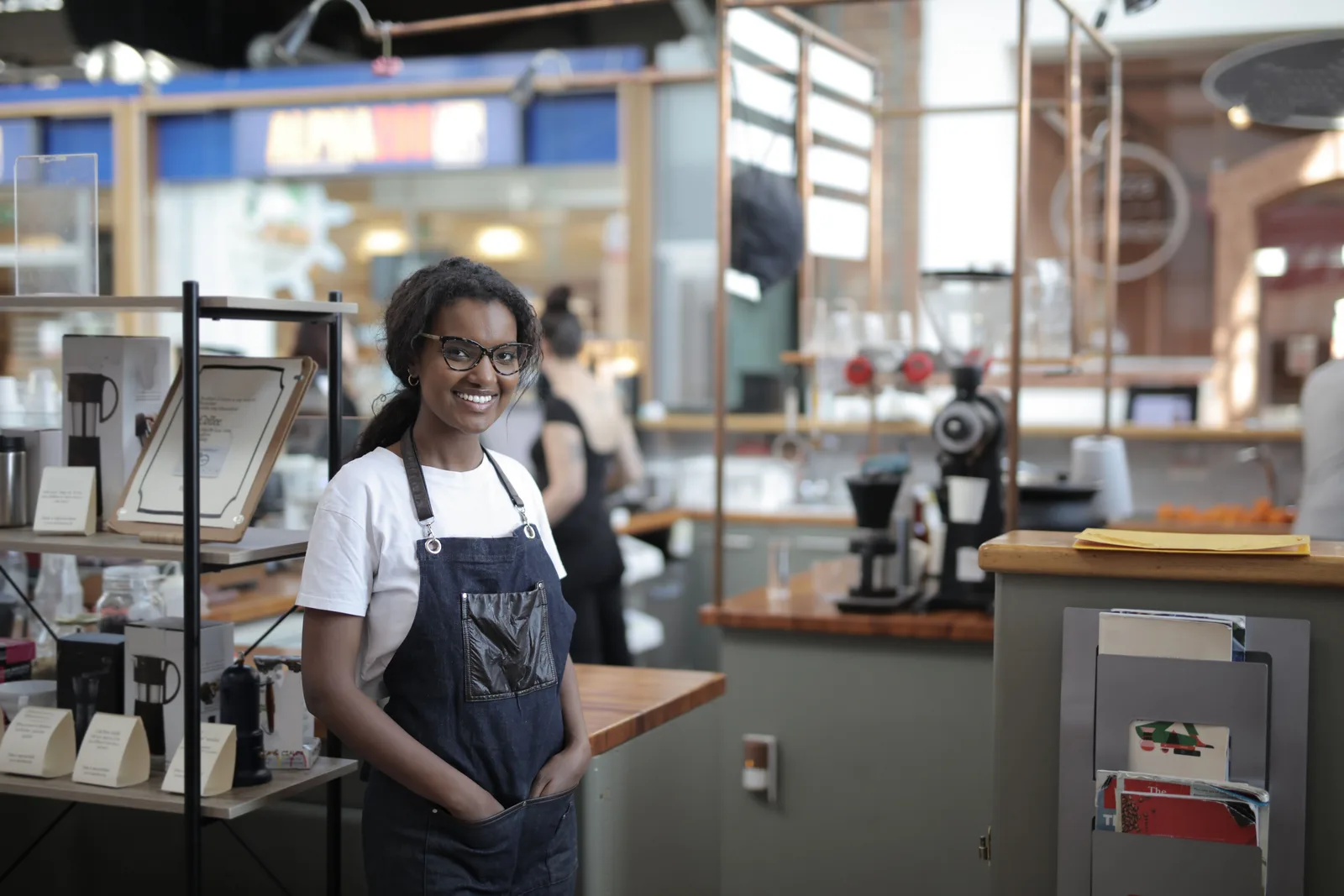
Find twenty businesses whose own photos are visibly bad, which takes an afternoon of looking at Google Business Profiles and Instagram grids. Then email the owner, not an info@ address if you can avoid it, with three sentences and three images:
Hi, I am a photographer based two streets away. I noticed the photos on your listing are phone shots taken at night, which is doing the room no favours. I can shoot the space and eight dishes in a morning for $300 and get them to you the next day. Three recent examples attached.
Twenty of those produce two or three replies and usually one booking, and the one booking often turns into three a year. Follow up once, eight days later, one line long. Then stop.
Reply faster than whoever they emailed before you
Most enquiries go to three or four photographers at once, and a startling number of those photographers reply in two days or not at all. Answering within an hour, with a price range and two suggested dates, wins bookings from photographers with better work than yours. How to reply to a new lead is worth stealing wholesale, because the shape of the first reply decides most of it.
Remove the back and forth where you can. A page where someone picks a package, picks a date, and pays a deposit converts the people who were never going to send a second email. Work out what you are actually earning per booking first with the effective hourly rate calculator, because a busy diary at the wrong price is how the second year goes wrong.
Ask for the review while they are still excited
The window is the day they see their photos, not two weeks later. Send the gallery link and the review request in the same message, name the platform you want it on, and make it one click. Five Google reviews is the point at which strangers start contacting you instead of the other way round, and it is the cheapest asset in this entire list.
The same moment is when you ask who else might need photographs. Referrals without turning into a salesperson covers the wording. Behind all of it is the map of how clients actually find photographers online, which is worth reading once you have something for them to find.
What does not work in the first year
- Running ads before you have a portfolio and a booking page. You are paying to send strangers to a dead end.
- Racing to the bottom on freelance marketplaces. The clients there are shopping on price and will not follow you up when you raise yours.
- Waiting until the gear is better. Nobody has ever chosen a photographer because of the body they shoot on.
- Posting "now taking bookings" to an audience of other photographers.
- Discounting quietly when someone hesitates. It teaches the next person to ask.
Ten clients is the whole goal of the first year. Get them from the list of forty, the twenty businesses, and the reviews the first few leave behind, and the year after starts with people arriving on their own instead of being found. When they do arrive, the thing that loses them is friction: three emails to agree a date, another to send a contract, another to ask for a deposit. A booking link that takes all three in one go, which is what Xposure does, turns the enquiry you answered at 9pm into a confirmed session by five past.