Photography only, six to eight hours covering the mass and the reception, runs $1,200 to $2,500 with an established photographer in most US markets. Add a pre-quince portrait session and an album and you are at $2,000 to $3,500. Photo and video together, which is what most families are actually shopping for, sits at $2,500 to $5,500 in Dallas, Houston, Phoenix or Los Angeles. The cheap end is real: El Paso and the Rio Grande Valley still have photographers quoting under $1,000 for eight hours.
The useful comparison is a wedding, not a birthday party. A quinceañera has a religious ceremony, a formal entrance, choreographed dances, a court of damas and chambelanes, family formals and a 200 guest reception. If you would charge $3,000 to shoot that as a wedding, a $900 quince price means you are discounting the same day by 70 percent because the guest of honour is fifteen.
What parts of the day does a quinceañera photographer cover?
List them in the quote, because families price by what they see in the package:
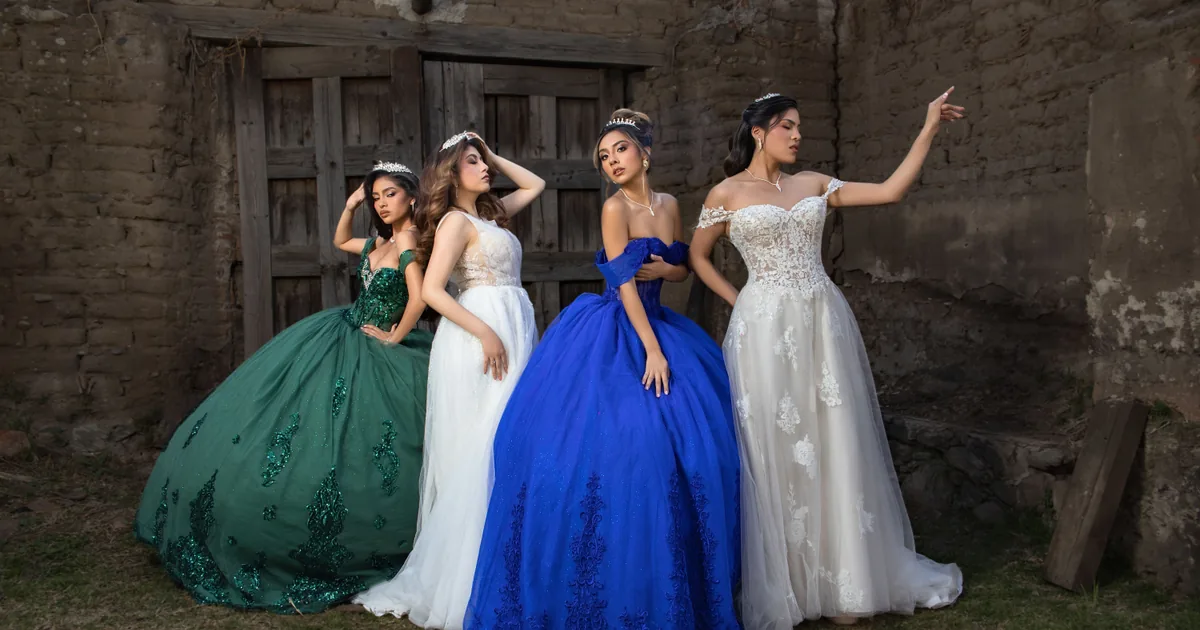
- Pre-quince session: portraits in the dress, often at a park, a mission or downtown, two to six weeks before.
- Getting ready: hair, makeup, the dress, the tiara and the shoes laid out.
- Misa de acción de gracias: the thanksgiving mass, with the blessing, the rosary, the bible and the bouquet left for the Virgin.
- The entrance: the quinceañera and her court announced into the reception.
- The waltz: the vals with the chambelanes, then with her father.
- Changing of the shoes: her father swaps her flat shoes for heels.
- The last doll: la última muñeca, handed over and often passed to a younger sister or cousin.
- The surprise dance, the toast and the cake, then dancing until the end.
Miss the shoe change because you were editing on a laptop in the car and the family will remember it longer than any portrait you made. Get the program from the planner or the choreographer a week out and write the times on your shot list.
How should you price coverage hours and the gap between mass and reception?
Price by hours in three tiers, the way families compare quotes:
- Four hours: reception only, from the entrance through the dances and cake. $800 to $1,400.
- Six hours: mass plus the reception's key moments. $1,200 to $2,000.
- Eight hours or more: getting ready, mass, portraits, full reception. $1,800 to $3,000.
The trap is the gap. A 1pm mass and a 7pm reception is a ten hour day with four hours of nothing in the middle. Either the family books portraits with the court in that gap, which earns its place in your top package, or you charge a split coverage fee of $150 to $300 for the day you cannot sell to anyone else. Never quote "six hours" without asking when the mass ends and the reception starts.
How much should a pre-quince session cost?
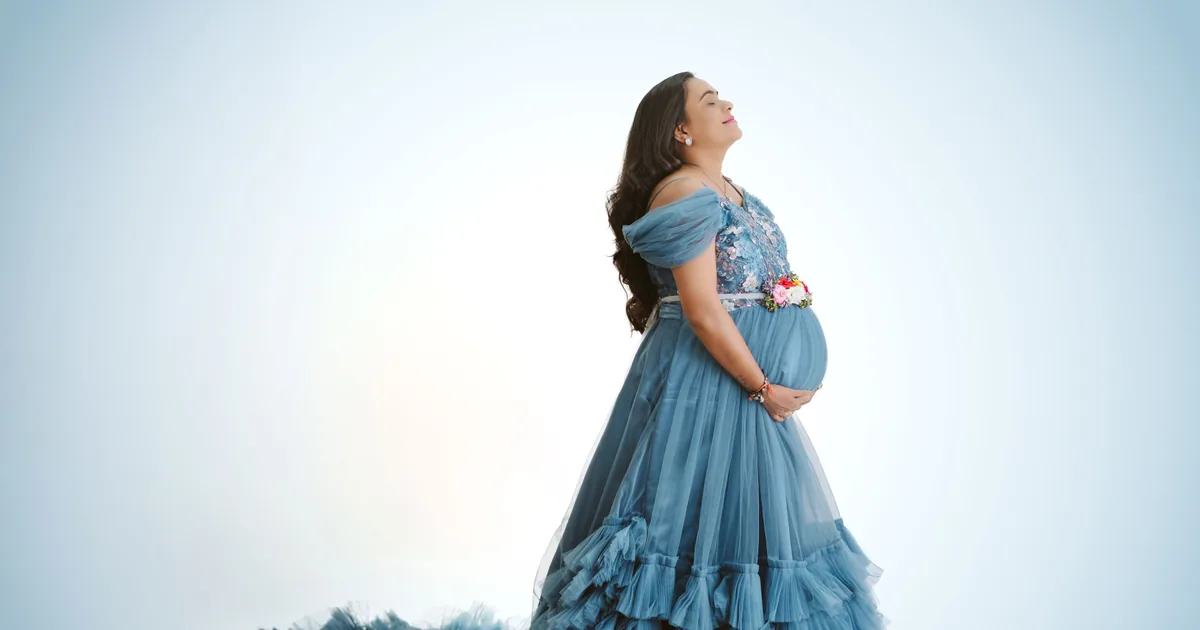
Standalone, $350 to $600 for an hour to two hours, one location, the dress plus one casual outfit, 25 to 40 edited images. Photographers who travel to a landmark or book a studio with a backdrop charge $800 to $1,200.
Include it in your middle and top packages rather than selling it separately. The pre-quince images go on the welcome sign, the invitations and the slideshow at the reception, so the family needs them three to four weeks before the party. Book the session date at the same time as the event date, and tell them the turnaround: "The edited session arrives within 10 days, in time for the printer." The posing side overlaps with senior pictures, so borrow that price list for outfit changes and extra locations.
Should an album be part of the package?
Yes, in at least one tier. Albums still sell to quince families in a way they mostly stopped selling to couples, partly because the grandparents want something to hold. A 10x10 layflat with 30 pages costs $200 to $350 from a pro lab. Sell it at $600 to $900 inside a package, or $900 to $1,200 on its own after the event, and charge for the design hours it takes.
Parent albums or a small 8x8 copy for the padrinos sell well at $250 to $400. State the design rounds in the contract: one round of changes included, each further round $75. Without that line, the album drags on for months while three relatives argue about the cover.
Do you need to offer video, and how do you price it?
Most families ask for "foto y video" in the first message, and a photographer who cannot answer loses the enquiry to one who can. You have three options:
- Hire a videographer and sell one bundle. Pay them $800 to $1,500 for the day, add $300 to $600 for coordination and the extra risk, and quote the bundle $1,000 to $2,000 above your photo package.
- Partner and refer with a videographer who quotes separately. Less money, no liability for footage you did not shoot.
- Shoot both yourself. Do not, unless you are quoting a reception only package. Nobody holds a camera on the waltz and a gimbal on the father at the same time.
Typical video deliverables are a three to five minute highlight film and a full edit of the mass and dances. A same week teaser reel for social media is worth $150 to $300 as an add-on, because the quinceañera wants to post it.
How do payment plans and deposits work for quinceañeras?
Families budget for a quince over a year or more, and many expect to pay in installments. Build it into the contract instead of negotiating it each time:
- A non-refundable retainer of 25 to 33 percent, or a flat $300 to $500, to hold the date.
- Monthly installments of the remainder, set out with dates.
- The full balance due 14 days before the event, not on the day.
Collecting money at the reception is how photographers end up chasing $1,200 in February. Padrinos often sponsor parts of the party, and "the padrino de foto is paying" is a common answer. Fine, but the contract is signed by a parent or guardian, because the quinceañera is a minor and cannot sign one. The general rules on how much to hold are in how much deposit to take, and the refund ladder belongs in your cancellation policy.
Should your contract and emails be in Spanish?
If you work in Texas, California, Arizona, Florida or Chicago, offer both. The quinceañera often writes to you in English, her mother reads the contract in Spanish, and the abuela asks about the album on WhatsApp. A contract the paying parent cannot read is a dispute waiting to happen. Have a native speaker translate it once, not a translation tool, and state which version governs.
Keep the important lines identical in both: the hours, the deliverables, the installment dates, the retainer, and the turnaround. "La entrega es en 6 a 8 semanas" heads off the "¿ya están las fotos?" message in week two.
What church rules change how you shoot the mass?
Most Catholic parishes publish guidelines, and they differ between churches in the same diocese. Common rules: no flash during the liturgy, no photographer in the sanctuary, no movement during the consecration, sometimes no choir loft. Some limit you to the processions in and out.
Ask for the parish name at booking and read its rules. Bring a fast lens and expect ISO 6400. Plan the altar portraits for after the mass, with the priest's permission, and add 15 minutes for them to the timeline. Families blame the photographer, not the parish, when the blessing comes out dark.
Where do you start?
Write three packages: reception only, mass plus reception, and full day with the pre-quince session and an album. Price the top one against your wedding collections, then add a video bundle on top of each. Put the retainer on the booking itself, so the date is held when the money arrives and the balance goes out as one pay link with a reminder before it is due. That is the kind of thing a booking platform built for photographers should handle for you.