The working numbers first. A clean product shot on a white background runs $25 to $60 an image (roughly €20 to €55), less per image once a client sends 50 products at once. A styled lifestyle image with props and a set runs $75 to $250. A full shoot day for a small brand sits at $1,000 to $3,000, a half day at $600 to $1,600, and anything with models, a location or paid advertising use goes up from there.
Those ranges are wide because "product photography" covers two different jobs. One is a production line: the same light, the same angles, 40 mugs in a day. The other is closer to a small editorial shoot, where one image might take an hour to style. Price them the same way and one of them will lose you money.
Should you charge per image, per product or by the day?
All three work. The right one depends on how predictable the job is.
- Per image suits small orders and clients who know exactly what they want: "12 photos of our three candles." It is easy to compare, which is also its weakness, because the client will compare it.
- Per product (per SKU) suits ecommerce catalogues. You quote a fixed set, say a front, back, side and detail shot, for one price per product. The client thinks in products, not frames, and a set of four angles at $80 reads better than $20 an image even though it is the same money.
- By the day suits styled and lifestyle work, where the number of finished images depends on how long each setup takes. Quote the day, state a realistic output ("8 to 12 finished lifestyle images"), and price extra images above that.
Whatever you pick, put a minimum on it. A client with two products still costs you the setup, the test shots and the admin. A $400 to $500 minimum booking stops a $90 job from taking a morning.
How much should white background ecommerce photos cost?
This is the volume end: $25 to $60 an image, or $60 to $150 per product for a set of three or four angles. The per-image price falls with quantity because your setup is done once. A practised photographer with the lighting locked can shoot 25 to 40 simple products in a day at four angles each, and the edit is mostly consistent cropping and a clean background.
What pushes the price up within that range:
- Reflective or clear products. Glass, polished metal and jewellery need flagging, extra passes and often a focus stack. Add 50 to 100 percent.
- Multiple colourways. Eight colours of the same bag look like one product to the client and eight to you. Price per colour.
- Ghost mannequin clothing. Two exposures per garment and a composite in the edit. Quote it separately.
- Marketplace specs. Amazon's main image rules ask for a pure white background (RGB 255, 255, 255), the product filling about 85 percent of the frame, and at least 1,000 pixels on the longest side so zoom works. Hitting that exactly on every file is real retouching work, so name it in the quote.
If you are still building the setup, product photography at home with a window and a board covers the light and the shot list. This post is about what to charge once someone is paying you for it.
How much should lifestyle product photography cost?
Styled images, with the product on a kitchen counter, in a hand or on a model, run $75 to $250 each, and day rates are the more honest way to sell them. A single setup with a surface, props and a light change can take 45 minutes before the first frame is right, so a day produces 8 to 15 finished images, not 60.
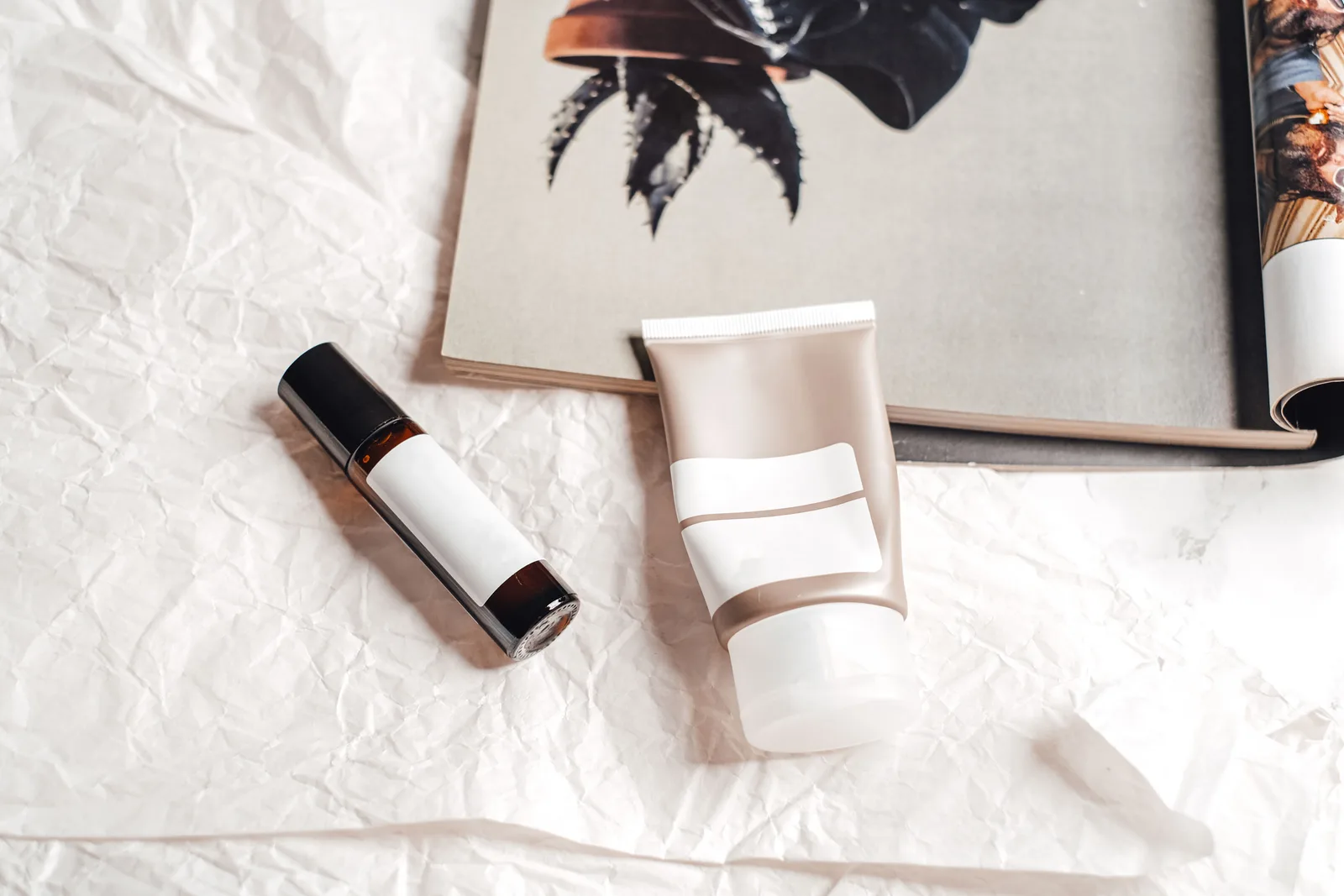
Three things belong on the quote as separate lines because they are not your fee:
- Props and surfaces, billed at cost or with a small handling fee. Budget $100 to $300 for a small brand.
- Models, paid at their own rate, plus the release. Hand models and full lifestyle models are very different numbers.
- Studio or location hire, if you are not shooting in your own space.
Who pays for retouching and clipping paths?
The client does, and it should be visible. Basic cleanup (dust, colour match, crop, background to true white) belongs in the per-image price. Anything beyond that is priced per image: removing a label, fixing a dent, compositing a cap onto a bottle.
Clipping paths are the one people argue about. Outsourced clipping costs roughly $0.30 to $2 an image for simple shapes and $3 to $10 for complex ones like chairs, bikes or jewellery chains. If you send them out, mark them up. If you do them yourself, price your own time, not the outsourcing rate, because an hour of pen tool work is still an hour. The per-image rates for this kind of work are laid out in how much to charge for photo editing.
Rush turnaround is a line of its own: 25 to 50 percent on top for delivery inside 48 hours.
Do you charge extra for usage and licensing?
Yes, and product clients expect it more than any other clients do, because every image is commercial use. The clean approach is to include a licence for the client's own website, marketplace listings and organic social in the base price, then quote separately for paid ads, packaging, print advertising, retail displays and anything used by a distributor or retailer.
A reasonable starting point is 25 to 100 percent of the creative fee for paid advertising use over one year, more for packaging that will sit on a shelf for years. The detail of how to write media, term and territory into a quote is in photography usage rights. Leaving usage out of the quote does not make it free; it just means you gave it away.
What does a real product photography quote look like?
A skincare brand wants 30 products on white for their shop and Amazon, plus six styled images for social and a launch ad. A quote that holds up:
- 30 products on white, four angles each, marketplace ready: 30 x $75 = $2,250
- Six styled lifestyle images: 6 x $150 = $900
- Props and surfaces at cost: $150
- Paid ad licence for two of the lifestyle images, one year: $300
- Total: $3,600 (around €3,300), 50 percent to book
The work behind it: one day on white, half a day styled, about a day and a half of editing, and an hour of emails. Call it three and a half days, which is roughly $900 a day after props. Put your own days and costs through the effective hourly rate calculator before you send a quote like this, because the editing is usually where the margin goes.
What do you say to "we have 200 products and a small budget"?
Take the volume and change the product, not the rate. Offer a stripped set at the lower end of the range: one angle per product, white background, basic cleanup, delivered in batches. At $25 an image that is still $5,000 for 200 products, and it may be the best paying week of your quarter because the setup never changes.
What you do not do is quote $8 an image because the number is big. Your time scales with the count, so a discount of more than 20 to 30 percent for volume is money you are paying to do the job.
Then deliver it the way a web team can use it: split by product line, so nobody hunts through 800 frames for the blue bottle, and in one place the client can download from without creating an account. A PIN-protected gallery per collection, with the whole set downloadable in one go, is the kind of thing a platform built for photographers already handles.