London photographs badly at the wrong time of day and beautifully at the right one, and the difference is usually about ninety minutes. The list below is organised around that. Each spot comes with when the light lands, what to bring, and what the shot actually is, because "go to Tower Bridge" is not useful advice on its own.
Times are for late spring through early autumn. In December, sunset is at four in the afternoon, which makes half of this list easier and the other half harder.
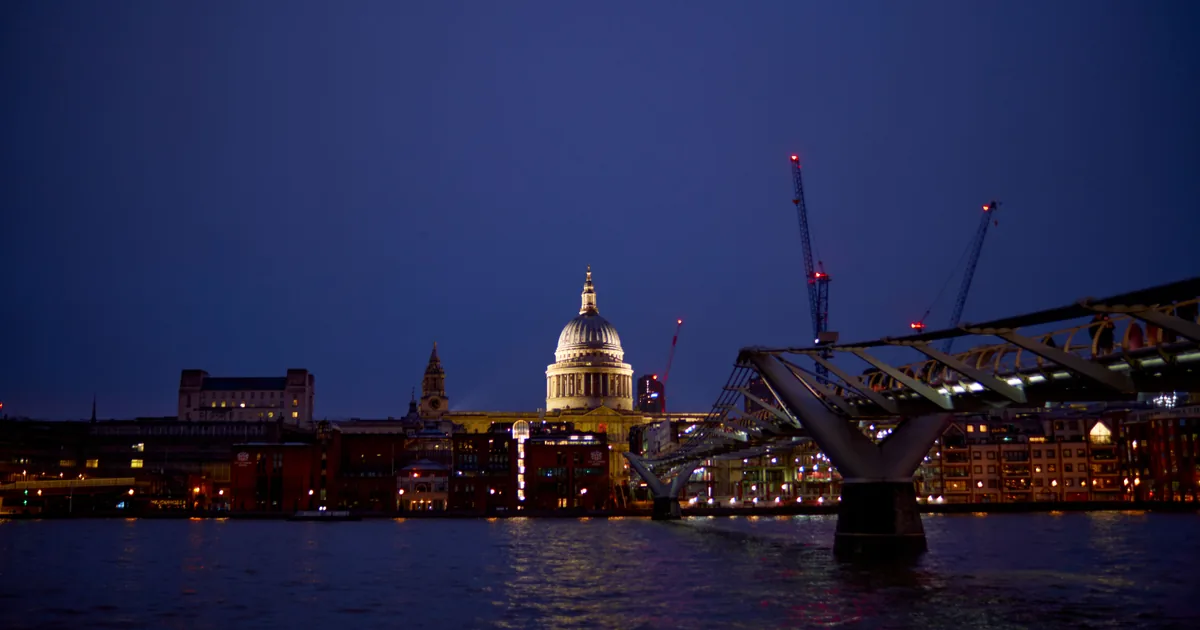
Millennium Bridge, for St Paul's straight down the middle
The bridge lines up with the cathedral dome, and standing in the centre of the span gives you a symmetrical frame with leading lines you did not have to compose. Shoot north, towards St Paul's, at first light. By nine the bridge is a commuter route and every frame has eleven people in it.
A 35mm or 50mm holds the dome without the sides of the bridge collapsing into distortion. Wider than 24mm and the cathedral shrinks into the background.
The South Bank, for sunset over Westminster
Walk the stretch between Waterloo Bridge and Westminster Bridge in the hour before sunset. The sun sets behind the Houses of Parliament from this side of the river, which is the only reason this walk beats the north bank for photographs.
Best single position: the middle of Westminster Bridge looking upriver, or the steps below the London Eye when the tide is out and you can get down to the foreshore.
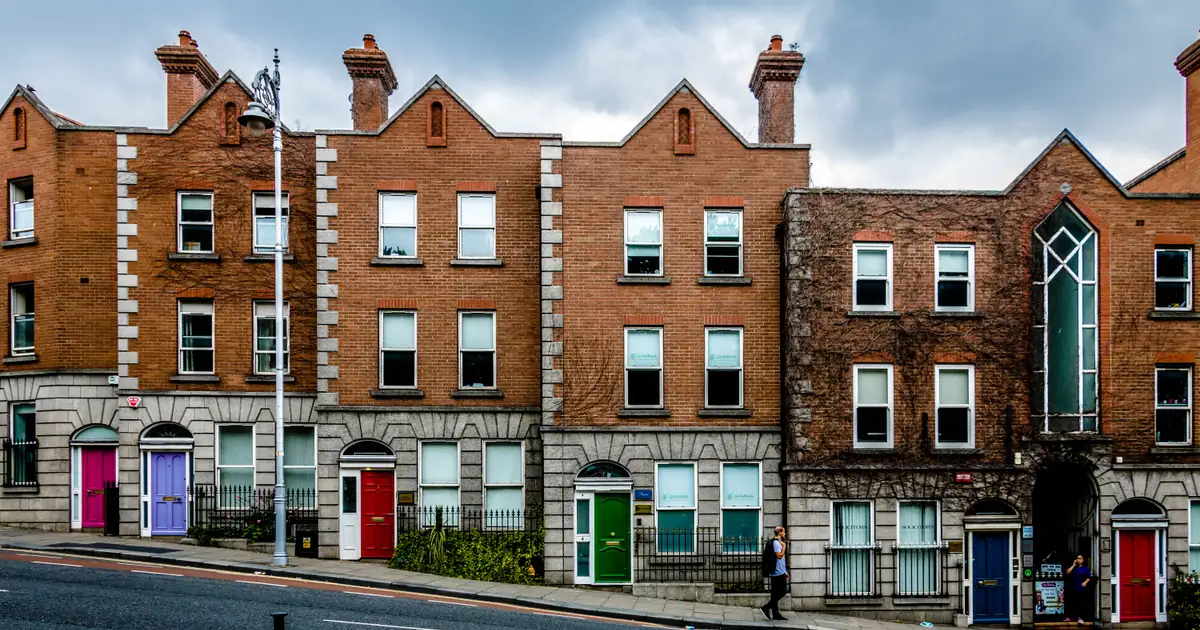
Notting Hill, early, for the pastel houses
Lancaster Road and St Luke's Mews are the ones you have seen. They are also residential streets where people live, and by eleven on a Saturday there is a queue of people photographing someone's front door.
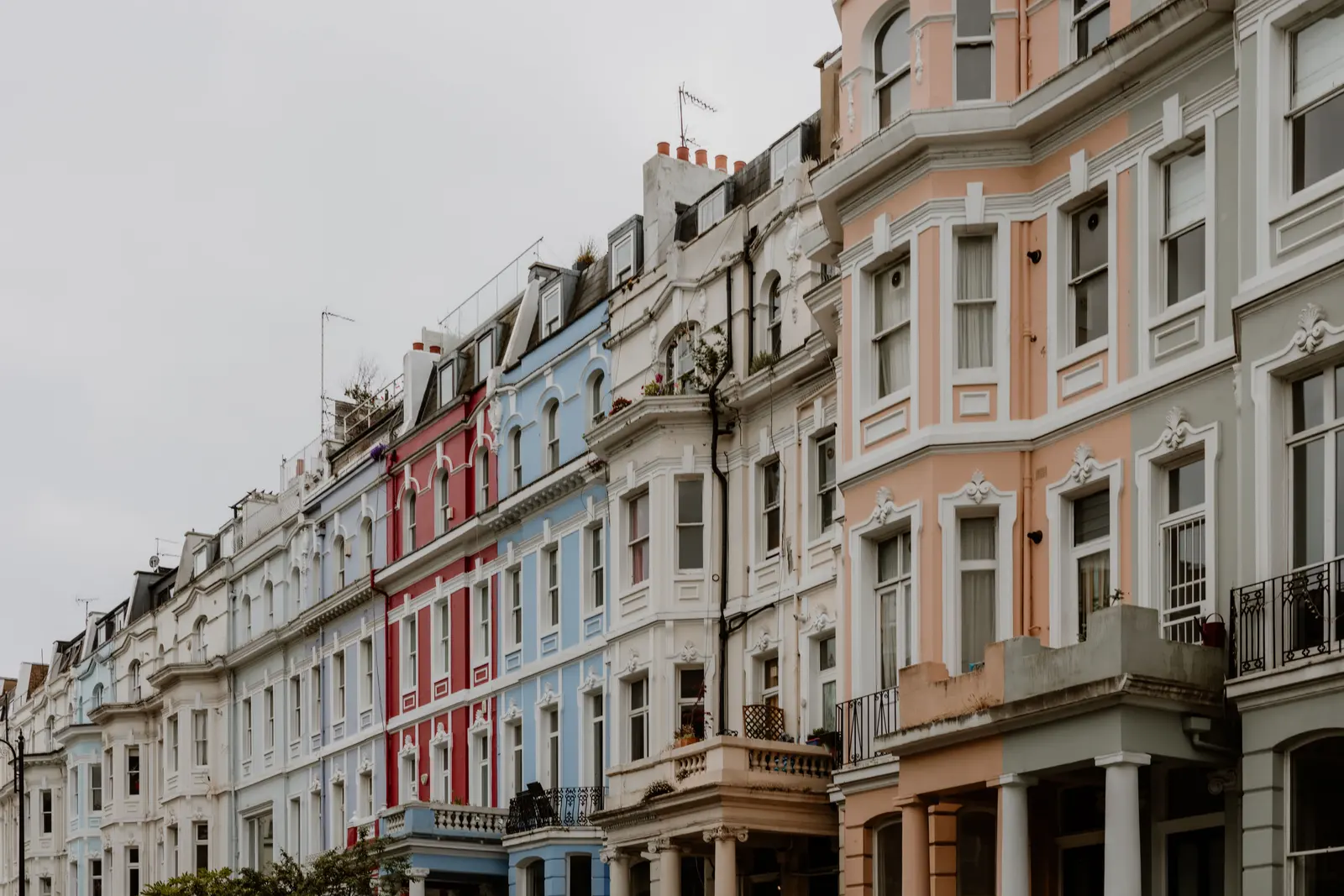
Go before eight. The light is soft, the street is empty, and you will not be the fourth person on the doorstep. Stay on the pavement, do not lean on the railings, and move on when someone comes out.
Leadenhall Market, for covered Victorian colour
Painted ironwork, cream and burgundy, and a glass roof that turns the whole arcade into a giant softbox. It works in rain, which makes it the most useful location on this list for a British afternoon.
Weekends are quiet because the City empties out. Weekday lunchtime is a crush.
Neal's Yard, for the one saturated frame
A small courtyard of painted walls in Covent Garden that gives you colour when the rest of the city is grey. It is tiny, so a 24mm or 28mm gets you the whole thing, and midday actually works here because the surrounding buildings bounce light down into it.
Primrose Hill, for the skyline without a ticket
The classic wide view of the city, free, open, and best about twenty minutes after sunset when the sky still has colour and the buildings have switched their lights on. A 70-200mm compresses the skyline into something far more dramatic than a wide lens will give you here.
Sky Garden, for the view from inside
Free to visit if you book a slot in advance, and the only high viewpoint in the city that does not charge. Shoot through the glass with your lens flush against it and cup your hand around the barrel to kill reflections. Late afternoon slots put the light behind Tower Bridge.
Little Venice and Regent's Canal, for a quieter London
Narrowboats, bridges, and towpath greenery from Warwick Avenue through to Camden. Overcast days are ideal because the canal is a corridor of shade at midday anyway. Good for portraits where you want London without a landmark announcing itself.
Shad Thames, for Tower Bridge from below
The riverside streets on the south bank east of the bridge, with iron walkways overhead and the bridge appearing at the end of the alley. Horselydown Old Stairs gets you down to the water at low tide. Check tide times before you go, which is also the difference between a foreshore shot and standing in the river.
Barbican, for concrete and geometry
Brutalist estate, elevated walkways, and reflecting ponds. A grey day suits it better than sunshine. Residents live here, so keep to the public walkways and keep it quiet. Good for editorial portraits when you want texture rather than prettiness.
Coal Drops Yard and Granary Square, for modern lines
The King's Cross redevelopment gives you clean architecture, water fountains lit after dark, and covered spaces for rain. It is also one of the few central spots where nobody minds a camera at all.
Greenwich Park, for the classic city view
Stand at the Royal Observatory and the whole of Canary Wharf sits framed between the trees, with the Old Royal Naval College in the foreground. Best in the hour before sunset with a longer lens.
Practical notes before you go
Photography in public streets is legal in the UK, including of people, and you are not obliged to delete anything at a stranger's request. What changes the rule is private land. Canary Wharf, King's Cross, More London by Tower Bridge, and most shopping centres are privately owned, and security there can and will stop a shoot with a tripod, a reflector, or an assistant.
That is the actual dividing line: casual handheld photography passes almost everywhere, and anything that looks like a production needs permission. If you are shooting a paid client session on private land, ask first.
Two more things that matter more than the location list. Check sunrise and sunset times for the actual date rather than assuming, because London's day length swings by more than eight hours across the year, and the time of day does more for a photograph than the postcode. And if you are shooting clients rather than the city itself, send them a location plan in advance, which is a question worth including in the questionnaire you send at booking.
Pick three spots that are within a walk of each other rather than five spread across the city. A session that spends ninety minutes on the Tube gets you tired clients and one usable location, and the light will have moved on without you.
The locations on a map
- Millennium Bridge: first light, St Paul’s down the middle
- Westminster Bridge and the South Bank: sunset over Parliament
- Lancaster Road, Notting Hill: before 8am, and stay on the pavement
- Leadenhall Market: works in rain, quiet at weekends
- Neal’s Yard: midday is fine, bounced light
- Primrose Hill: 20 minutes after sunset
- Sky Garden: book a free slot, late afternoon
- Little Venice: overcast, canal shade
- Shad Thames: check the tide for the foreshore
- Barbican Estate: grey days, keep to public walkways
- Coal Drops Yard: after dark, nobody minds a camera
- Royal Observatory, Greenwich: hour before sunset, longer lens
Same approach, different city: Paris rewards the early alarm even more, and it has one rule about photographing the Eiffel Tower at night that catches commercial shoots out. New York has the same privately owned plaza problem on a much larger scale, and security there is considerably less relaxed about a tripod.