Prague is a city of towers photographed from other towers, and it rewards two things: getting up early, and going out in weather other people avoid. Autumn fog sitting in the river valley with the spires poking through is the reason photographers keep coming back.
Here is where to be, and when.
Charles Bridge, at 5am or not at all
The most photographed structure in the country, and by nine in the morning it is a solid mass of people, painters, and musicians.
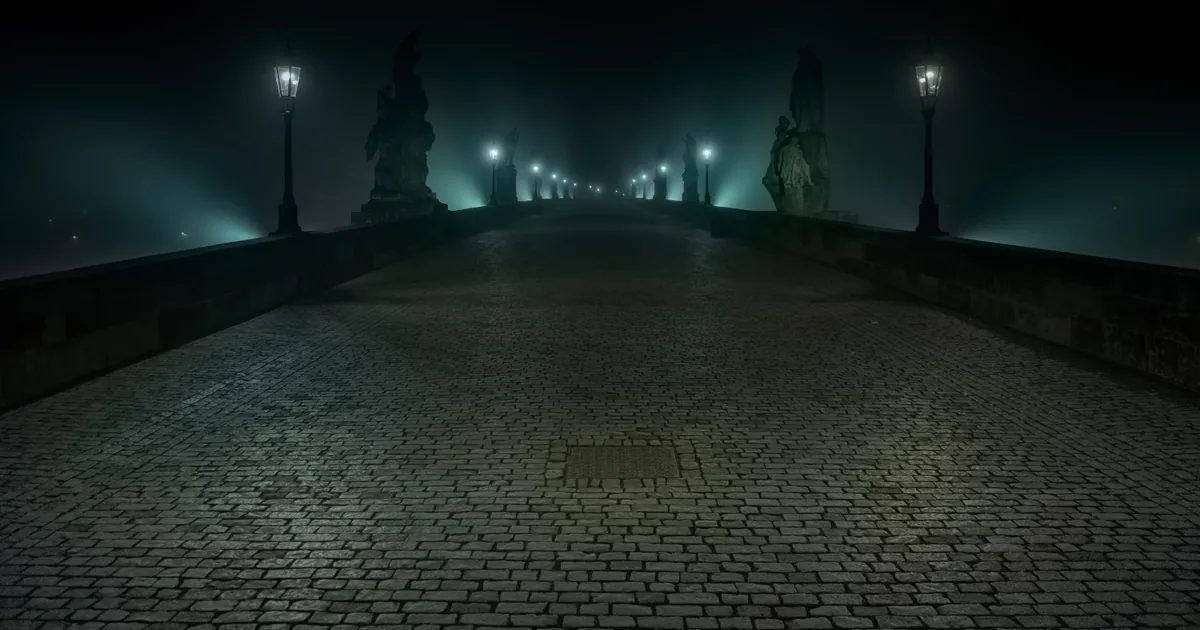
At first light, in summer, you can have it nearly empty: the statues, the tower at the Old Town end, and mist coming off the Vltava. Shoot along the length of the bridge with a wide lens for the tunnel of statues, then from the riverbank below for the bridge as a whole with the castle behind.
The riverbank angle at Novotného lávka is the classic postcard, and it is better at blue hour when the bridge is lit.
Old Town Square, from the tower
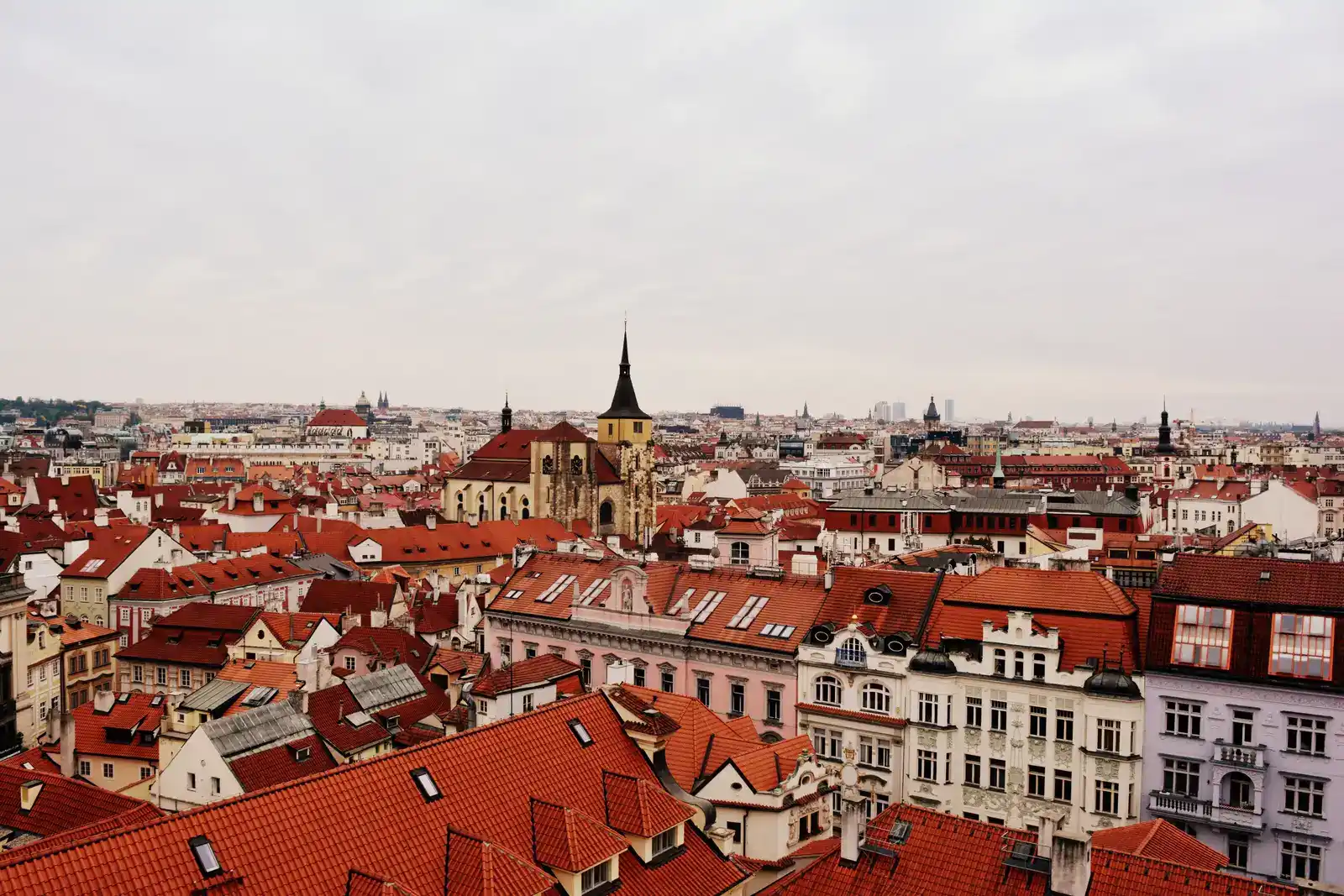
The square itself is difficult at ground level because it is always full. The photograph is from the top of the Old Town Hall tower, looking down on the Church of Our Lady before Týn and the pattern of rooftops.
Early morning slots, before the astronomical clock crowd builds.
Letná Park, for the wide city view
The best panorama in Prague: the whole line of bridges across the Vltava from above, with the Old Town behind them. Free, open, and a fifteen minute walk from the centre.
Sunrise, and especially in autumn when fog fills the valley. A longer lens compresses the bridges into stacked arcs.
Vyšehrad, for the version nobody photographs
A fortress on a rock south of the centre, with ramparts, a neo-gothic church, and a view back along the river towards the castle. Quiet, local, and the light in the evening is beautiful up there.
Worth an evening on its own.
Prague Castle and Golden Lane
The castle complex is enormous and mostly photographs badly up close because it is too big to frame. St Vitus Cathedral's interior, with its stained glass, is the exception, and the Mucha window is the frame everyone wants.
Golden Lane, the row of tiny coloured houses, is inside the ticketed area and requires a ticket even for a photograph.
Better castle photographs are taken from elsewhere: Letná, the riverbank, or the Petřín slopes.
Petřín Hill and the mirror maze
The funicular or a walk up through orchards, to a lookout tower and the view back over the city. Spring blossom on the slopes here in April is one of the best short seasons in European photography.
Malá Strana rooftops and Nerudova Street
The steep cobbled street running up to the castle, with house signs and shopfronts and the tower at the top of the frame. Shoot from the bottom looking up in the morning, when it is still in shade and the crowds have not started the climb.
Kampa Island and the Čertovka canal
The waterwheel, the low houses, and a canal locals call the Devil's Stream. Quiet in the mornings, and it gives you a completely different scale from the monuments across the river.
Dancing House and the modern city
Gehry's curved building on the riverbank, and a rooftop terrace to shoot from. It is the counterweight to a set of photographs that is otherwise entirely gothic, and its glass reads well at blue hour.
The Vltava at dawn, in fog
Autumn and early winter mornings, from any of the bridges or the embankment. Swans, mist, and the castle appearing and disappearing. This is the single most distinctive Prague photograph available and it is entirely a matter of turning up in unpromising weather.
Practical notes
Tripods are restricted in the interiors of most monuments and churches, and Charles Bridge gets crowded enough that using one after about seven in the morning is antisocial rather than prohibited.
Commercial and wedding shoots at castle and monument sites require permits, and this is enforced at the castle complex. A handheld camera is fine everywhere public.
Churches charge photography fees in some cases and prohibit it in others. Check at the entrance.
The city is small and hilly. Almost everything on this list is walkable, and almost all of it involves stairs. Plan a session route that goes down rather than up.
Winter is the photographer's season. Short days mean the good light happens at civilised hours, and fog, snow, and low sun do more for these buildings than a clear summer noon ever will. It is the clearest example of why the hour and the weather beat the location list in a city this photogenic, and if you do end up shooting at midday, the shade and backlight techniques will save more frames than another viewpoint.
The locations on a map
- Charles Bridge: 5am, or accept the crowd
- Novotného lávka: blue hour, the postcard angle
- Old Town Hall Tower: early slot, rooftops from above
- Letná Park: sunrise, and autumn fog
- Vyšehrad: evening, and almost nobody there
- St Vitus Cathedral: stained glass, no tripod
- Petřín Hill: April blossom on the slopes
- Nerudova Street: morning, before the climb to the castle starts
- Kampa Island: quiet mornings, the waterwheel
- Dancing House: blue hour, glass reflections
For a city with the same weather logic and a very different skyline, Edinburgh is at its best in the months everyone else avoids.