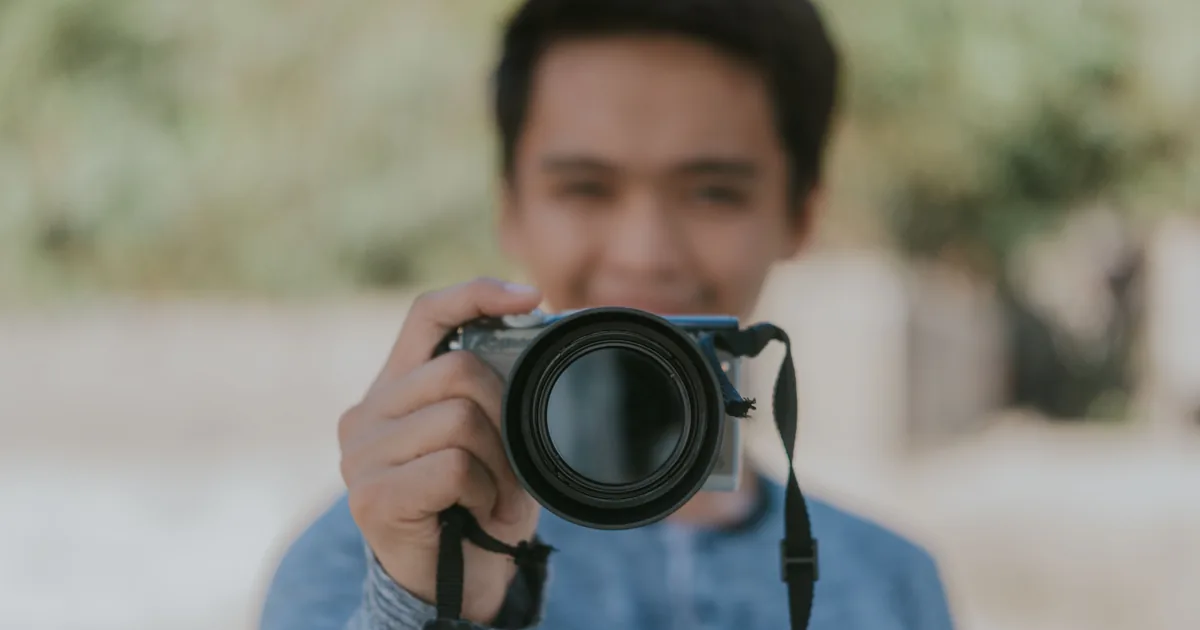
The camera is the least important part of a portrait. That is not encouragement, it is a buying strategy: put the money in the lens, buy the body used, and spend what you save on getting people to relax in front of you.
That said, three things on a camera genuinely affect portrait work. Everything else is marketing.
The three specs that matter
Eye autofocus. The single biggest practical advance for portrait photographers in the last decade. A camera that locks onto an eye and holds it while someone moves changes your hit rate at wide apertures from frustrating to reliable. Any recent mirrorless body has it. Older DSLRs do not, and that is the main reason to prefer mirrorless for this work.
Enough resolution to crop, not more. 24 megapixels is plenty for portraits, prints included. 45 megapixels gives you cropping room and punishes you with storage, slower culling, and every skin texture rendered in forensic detail. If you shoot volume, high resolution actively costs you time.
Colour you like out of the camera. Skin tones are the whole job. Different manufacturers render them differently, and this is worth more than a spec comparison. Borrow or rent before committing to a system, because you will be looking at those tones for years.
Sensor size, and the honest version
Full frame gives you about a stop of low light advantage and shallower depth of field at the same framing. That is the entire difference in practice.
An APS-C camera with a fast lens produces portraits nobody can distinguish in a gallery. The 56mm f/1.2 on APS-C and the 85mm f/1.8 on full frame give a very similar look, and both are excellent.
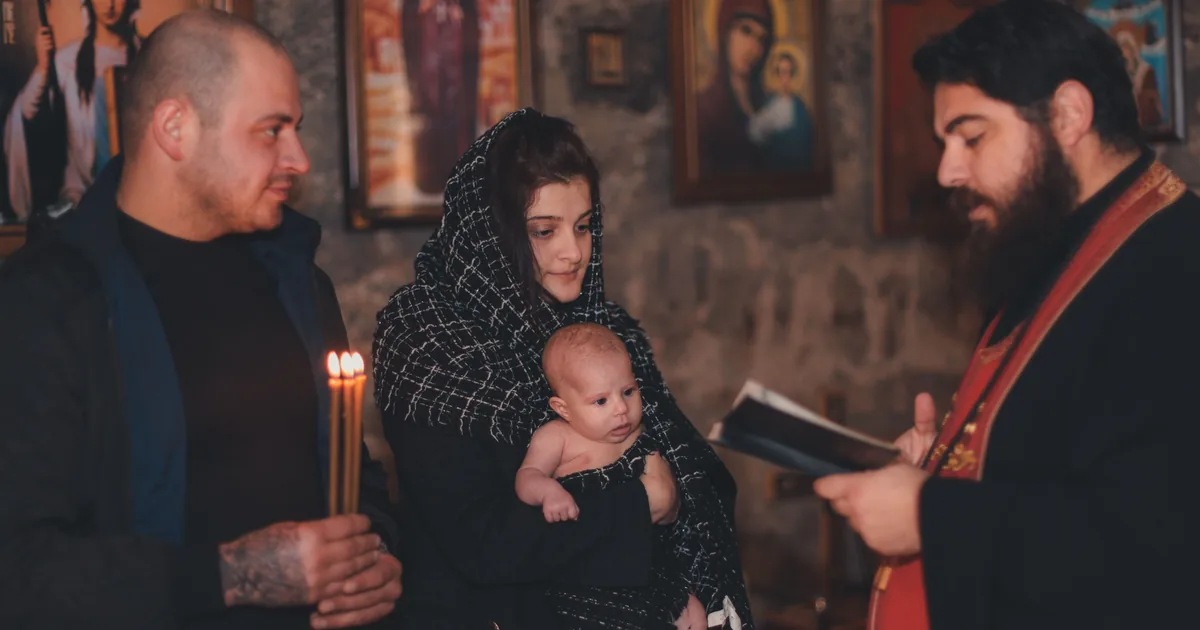
Where full frame genuinely helps: dark churches, receptions, and anywhere you are pushing ISO. Where it does not: a portrait session in daylight, which is most portrait work.
What to buy at three budgets
Around $700, used. A used APS-C mirrorless body from the last few generations plus a fast 50mm equivalent prime. Something like a Sony a6000 series body, a Fujifilm X-T series, or a Canon R-series APS-C, paired with a 35mm f/1.8 on crop. This kit takes professional-quality portraits and the limitation will be you, not it.
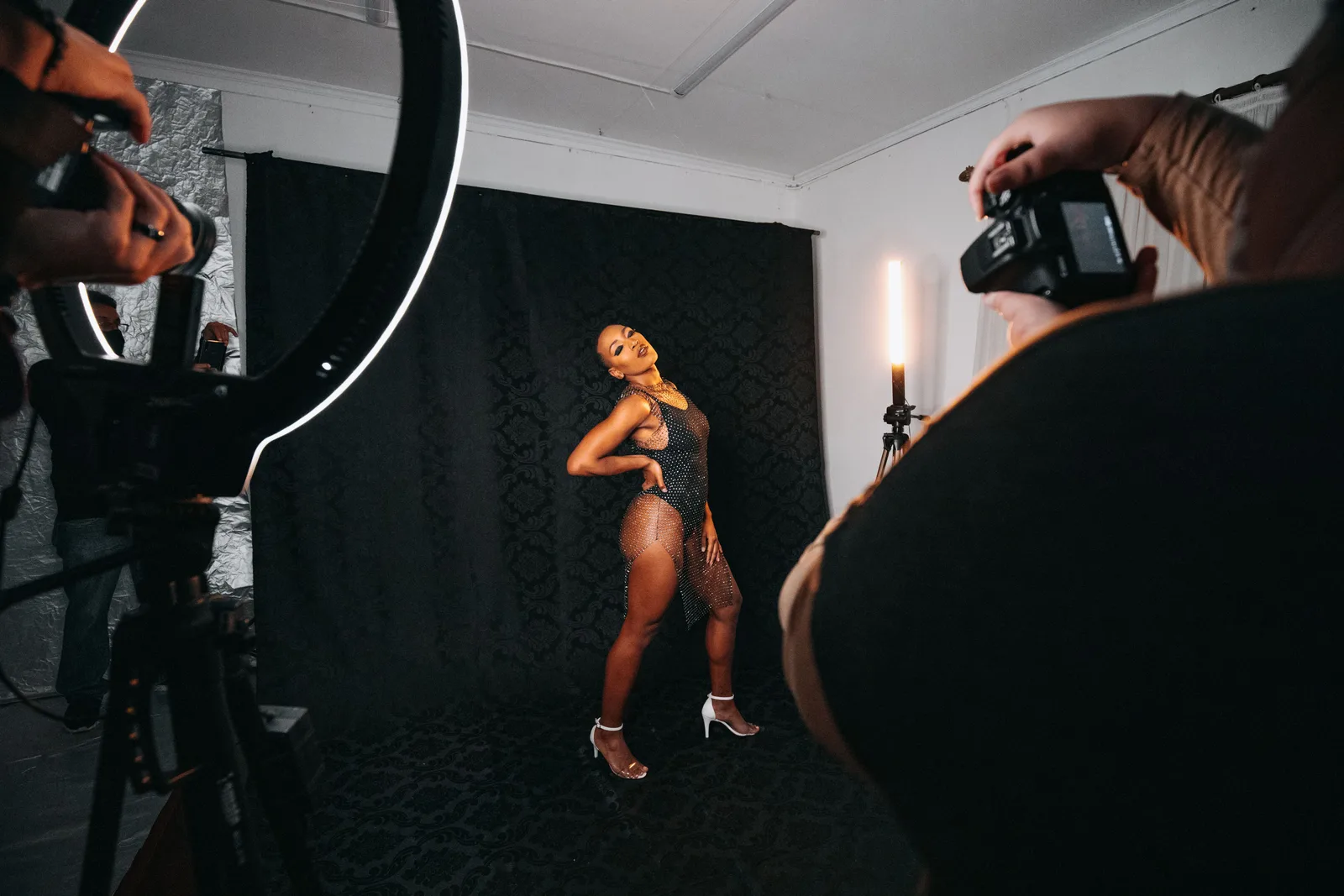
Around $1,500. A used full frame mirrorless body plus an 85mm f/1.8. The Sony a7 III, Canon R6 or R8, and Nikon Z5 or Z6 lines are all long-serving workhorses that sell used at sensible prices. This is the sweet spot for anyone charging for portraits.
Around $3,000. A current-generation full frame body with better autofocus and buffer, plus two lenses, typically a 35mm and an 85mm. Buy here when you are shooting weddings and events where the autofocus and the second card slot are doing real work.
Above that you are paying for speed, weather sealing, and video, which are professional insurance rather than better portraits.
Two card slots, and when to insist
For portrait sessions, one card is an acceptable risk. For weddings and anything unrepeatable, two slots writing the same files simultaneously is not optional, and it is the main reason to skip the cheapest full frame bodies if you shoot events.
That habit is one half of a workflow that keeps client files alive, and the other half is what happens after the shoot.
Put the money in the lens instead
If you have $1,200 to spend, a $600 used body with a $600 lens beats a $1,200 body with a kit zoom, every time and by a wide margin.
The portrait lens shortlist is short:
- 85mm f/1.8 on full frame, or the 56mm f/1.2 class on APS-C. The classic.
- 50mm f/1.8. Cheap, sharp, and versatile enough for environmental portraits.
- 35mm f/1.8. For portraits that include the room, and the most useful single lens if you only own one.
- 70-200mm f/2.8. Overkill for a portrait session, invaluable for events, and it produces beautiful compression at 135mm.
Skip the f/1.2 exotica until you are certain the look is what your clients are paying for. At f/1.2, on a person, one eye is often sharp and the other is not.
Things not to pay for
- Burst rate above about 8 frames per second. Portraits are not sport, and a high frame rate mostly gives you more near-identical files to cull.
- 8K video, unless you are selling video.
- The newest generation when the previous one sells used for 40% less and differs by a marginal autofocus improvement.
- A second body of the same model, before you own a second lens.
The equipment that actually improves portraits
Spend $200 here before spending it on a body:
- A reflector, a five-in-one, which fixes shadowed faces in midday sun and costs almost nothing.
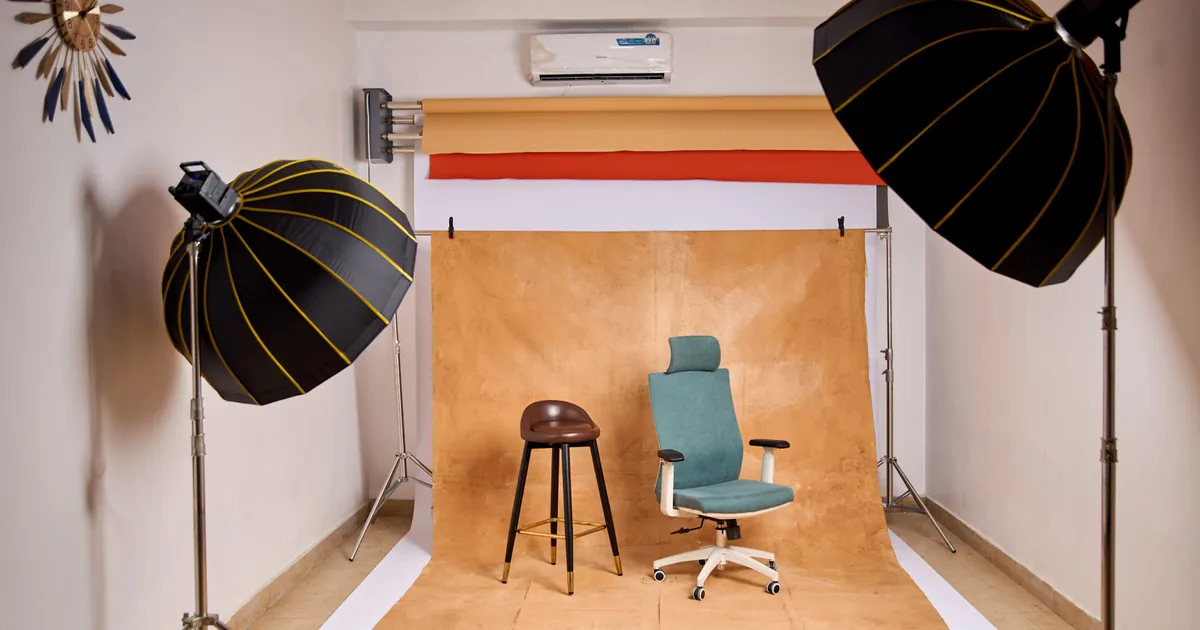
- A speedlight and an umbrella, which turns any dark room into a usable studio.
- A calibrated monitor, so the images you deliver look the way you edited them.
And spend the time on light and direction. The gap between a good portrait and a mediocre one is where the light is coming from and whether the subject felt comfortable, and both of those are free. Posing people who feel awkward and knowing which hour to shoot in will improve your work more than any upgrade in this article.
One exception where the body genuinely matters more than usual: animal eye detection has transformed photographing dogs, cats, and horses, where the subject will not hold still and the eyes are the whole photograph.
Buy the used body, buy the 85mm, and rent anything you are tempted by for a weekend before you commit. The camera you already own is very likely capable of everything your clients want.