Pet photography is portrait photography with a subject who does not take direction, cannot be told to hold still, and will decide when the session is over. The technical settings are simple. Everything else is about working with the animal's temperament instead of against it.
Start with the settings, then stop thinking about them
- Shutter speed 1/500s minimum, and 1/1000s or faster for anything running. Motion blur in a dog's face is the single most common reason a frame gets binned.
- Continuous autofocus with animal eye detection if your camera has it. Most recent bodies do, and it is transformative for this genre specifically.
- f/2.8 to f/4. Wide enough to separate the animal from a busy garden, narrow enough that a nose and both eyes are sharp. At f/1.4 you get one whisker.
- Auto ISO with a floor on shutter speed. You will be moving between shade and sun constantly and you will not have time to adjust.
- Burst mode, and accept the culling cost. Ears and tongues change position faster than you can react.
Get down to their level
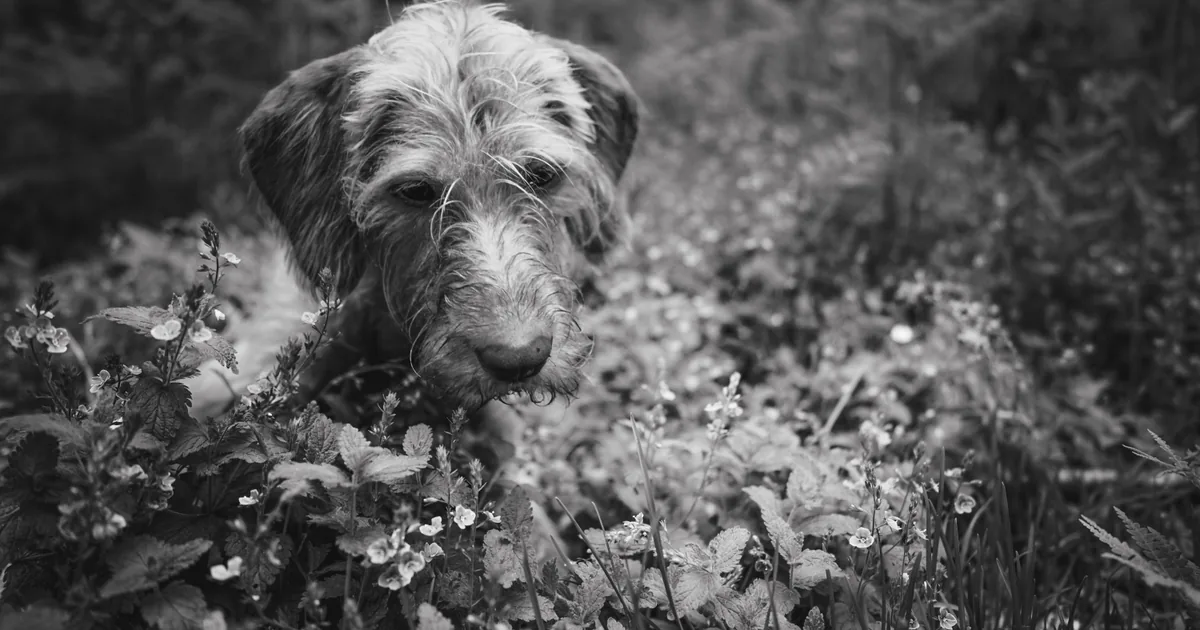
The most important single change: shoot from the animal's eye height, not from standing. A photograph taken from six feet up looks like a phone snap of a pet. The same dog photographed from ground level looks like a portrait.
For small dogs and cats this means lying down. Bring something to lie on, and expect to get filthy. For horses, it means shooting from slightly below the eye line rather than up at the head, which stops the nose dominating the frame.
The exception is the deliberate overhead shot of a dog looking straight up at you, which works precisely because it breaks the rule.
Focus on the eyes, always
Same as any portrait, and more important because fur is textureless. If the eyes are sharp, the photograph works. If the nose is sharp and the eyes are not, it does not, and no amount of editing fixes it.
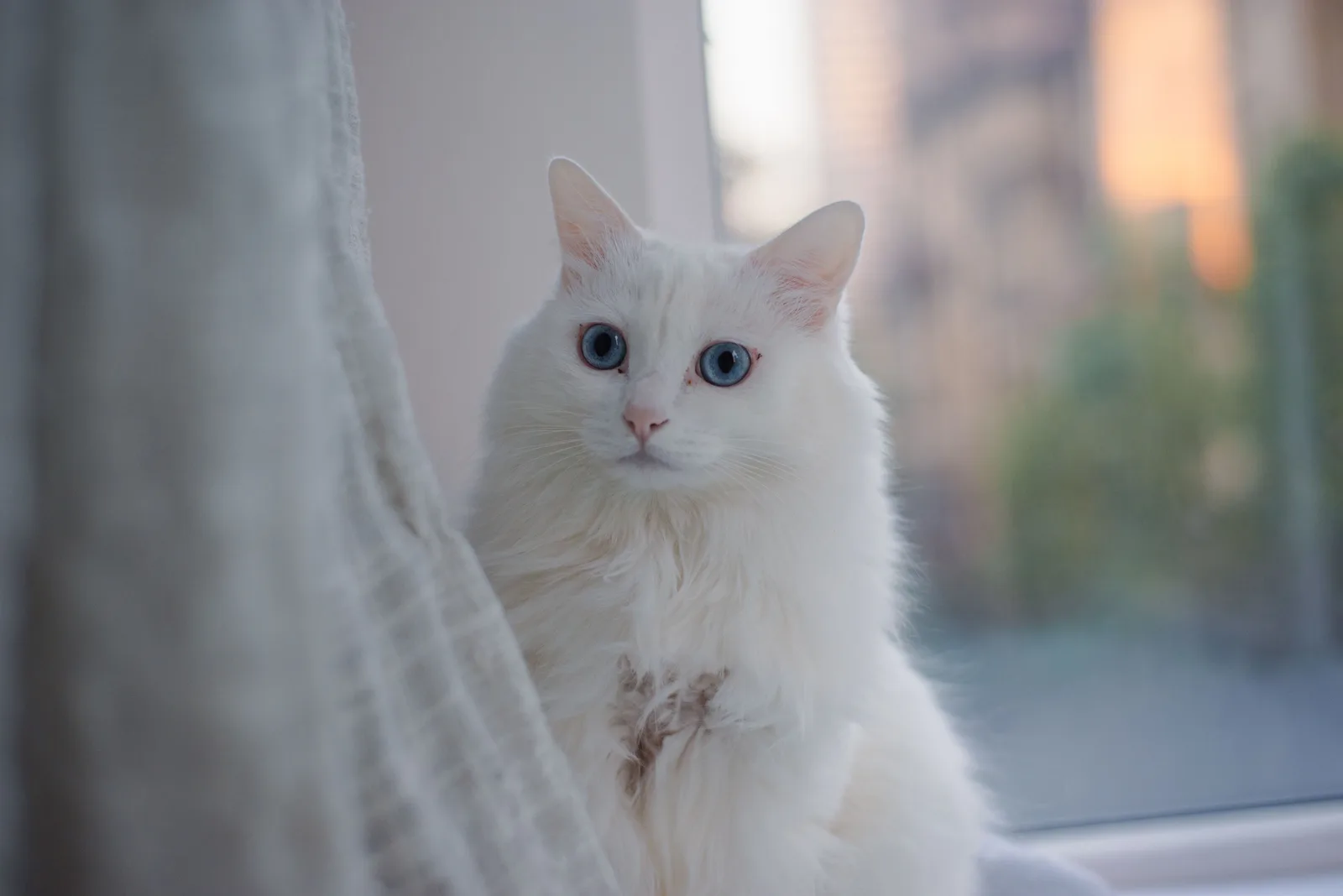
Dark dogs are the technical challenge of this genre. A black labrador in shade is a black shape with no visible detail. Fixes: overexpose by two thirds of a stop to a full stop, shoot in soft directional light rather than flat light, and get a catchlight in the eyes from an open sky or a reflector. Then lift the shadows carefully in the edit.
Shoot where the animal already relaxes
Studio-style pet sessions work for some animals and terrify others. The reliable approach is to photograph a pet somewhere it already feels safe: its own garden, its regular walk, its spot on the sofa by a window.
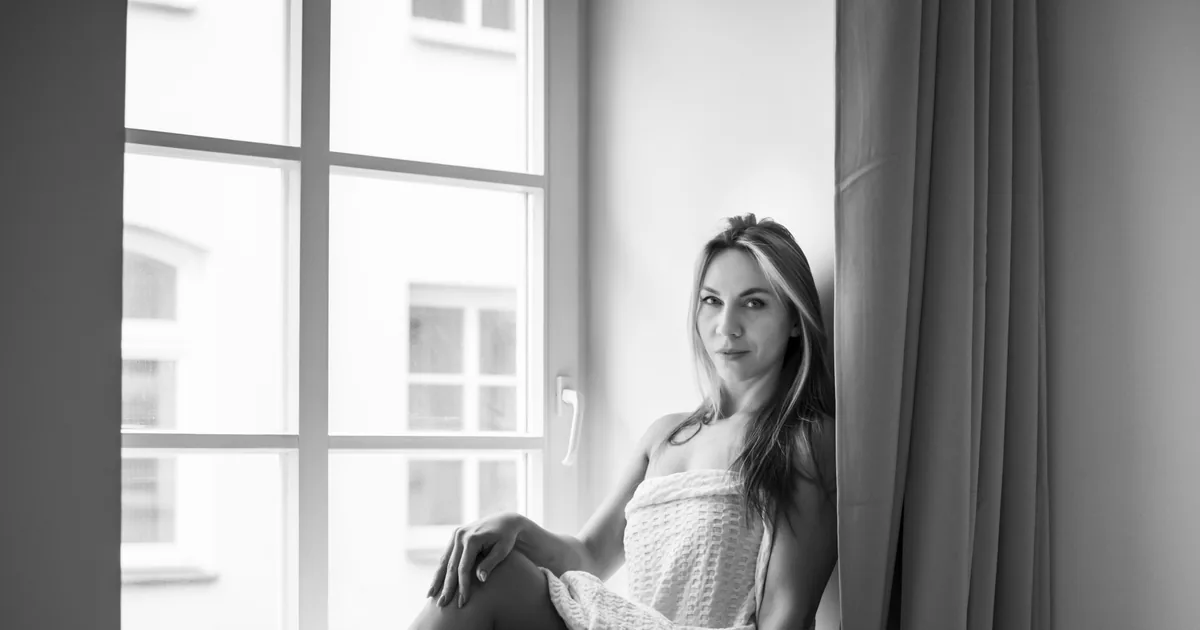
Home sessions with a big window produce beautiful, calm photographs. Outdoor sessions produce energy and movement. Ask the owner which one describes their pet and plan the location accordingly rather than deciding in advance.
Work with the owner, they are your assistant
The owner knows what the animal responds to. Use them.
Have them stand just behind your shoulder holding a toy or a treat to direct the gaze. Ask them for the specific words that get attention: not "here boy" but the one word that makes the ears go up. Ask for a favourite squeaky toy and save it for the last ten minutes, because it works spectacularly once and then stops working.
Also photograph the owner with the pet. That is nearly always the image they print, and it is the one people forget to plan for.
The timing that makes sessions work
Forty five minutes, maximum. Most dogs give you twenty good minutes.
Shoot in this order:
- The calm portraits first, while the animal is still settled and before excitement takes over.
- The action and running shots in the middle, when they have warmed up.
- The tired frames at the end, which are frequently the best of the session, because a dog that has run for twenty minutes will finally sit still and look at you.
For puppies and kittens, halve everything. They sleep, they wake, they are chaos, and the session runs on their schedule.
The specific animals
Dogs: the easiest, and the treat-and-toy method covers most of it. Shoot the mid-air catch with a fast burst and continuous focus.
Cats: do not chase. Set up near where the cat already sits, use a window, and wait. A wand toy above the lens gets the gaze. Cats will not perform, and any session built around making them do something will fail.
Horses: work from a distance with a longer lens, 85mm to 200mm, which avoids the distorted nose and keeps you out of the way. Ask the owner about handling before you start, never stand directly behind, and shoot the head at a slight angle rather than straight on. Golden hour on a horse's coat is the reason this genre exists.
Multiple pets: photograph them individually first, then together, with the owner holding attention. Expect a low keeper rate and budget the time for it.
The business side
Pet sessions convert to prints at a high rate (the numbers are in how much to charge for pet photography), because people who commission photographs of their animals genuinely want them on the wall. Deliver a tight, well-ordered gallery rather than four hundred nearly-identical frames of a dog running, since choice paralysis is what kills print sales in every genre.
Two practical additions that owners ask for constantly: a clean profile-style frame that works cropped square, and at least one of the pet with each family member.
And be gentle about the end-of-life sessions, which are a real and meaningful part of this work. Those clients are booking for a reason, they usually say so in the enquiry, and how you reply to that first message matters more than usual. Shoot quickly, keep it short, deliver fast.