Chicago is the best architecture city in North America to photograph, and the reason is geometry. A tight grid, a river running through the middle of it, and a lake to the east that gives you an unobstructed horizon and a clean sunrise over water.
Here is where to be, and when.
The Riverwalk, mid-morning and blue hour
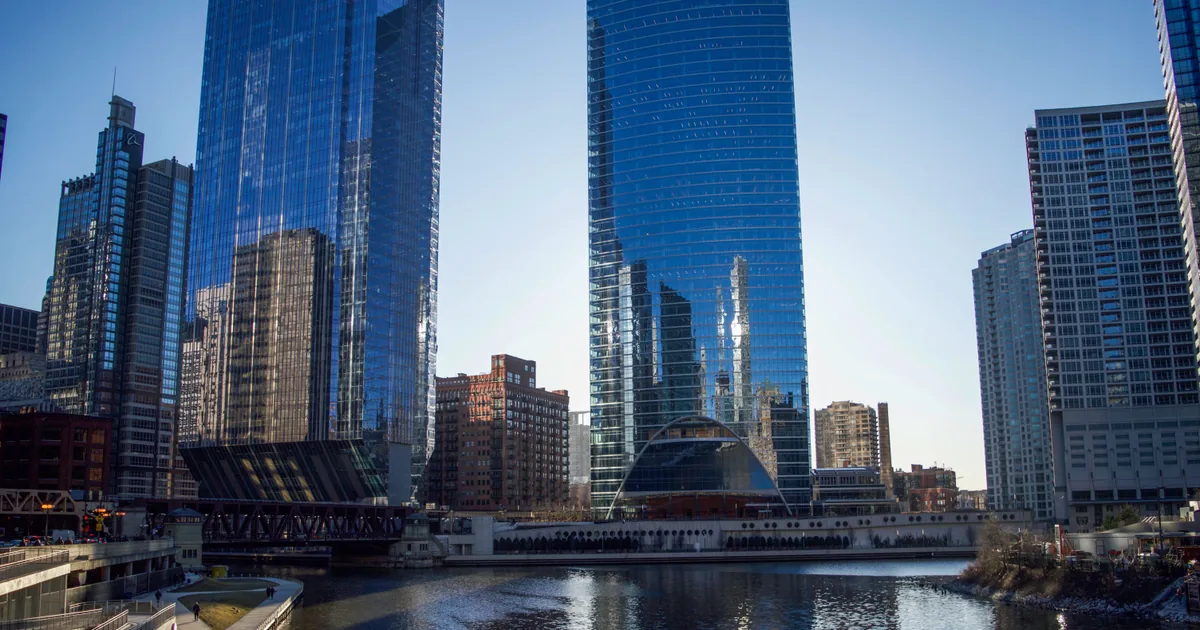
The path along the south bank of the main branch gives you the skyline from below, with bridges overhead. Shoot east from around Wabash for the classic stacked-towers view, with the Wrigley Building and the Tribune Tower.
Blue hour is when this works best: office lights on, water dark, and the bridges lit.
The bascule bridges, from above
Standing on any of the drawbridges gives you the corridor of buildings running away in both directions. DuSable Bridge at Michigan Avenue is the one everyone uses. Two bridges west is emptier and nearly identical.
Cloud Gate and Millennium Park
The bean, which is either a cliché or an unavoidably good photographic object depending on your mood. It is empty around sunrise and impossible by ten.
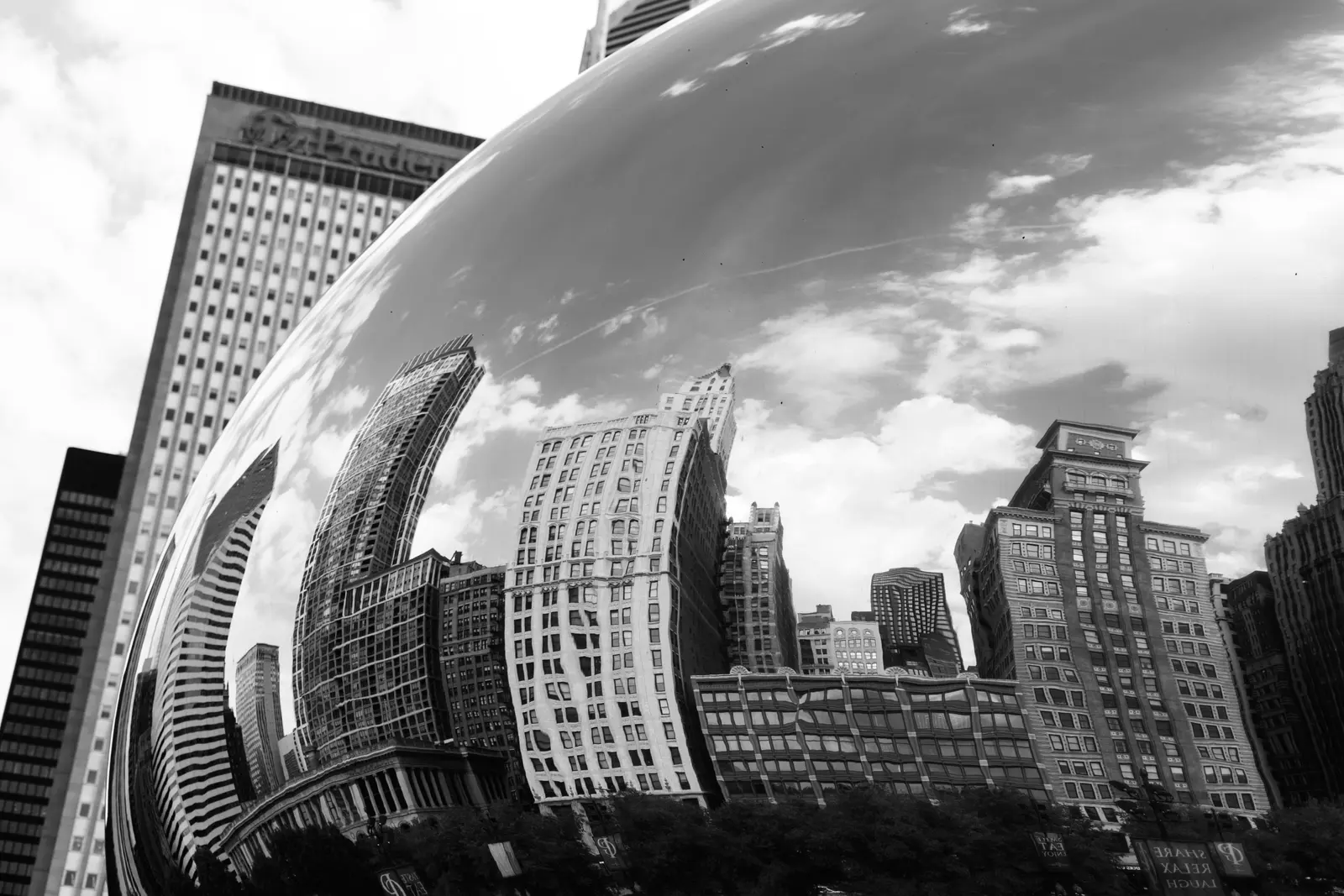
Underneath, the reflections in the arch are the interesting frame rather than the straight-on portrait. Nearby, the Pritzker Pavilion's steel ribbons and the BP Bridge give you curved metal against the skyline.
The Lakefront Trail at North Avenue Beach
The postcard skyline view, from the curve of the beach looking south. It is the frame that appears on every Chicago cover, and it is best at sunrise, when the sun comes up over the lake and lights the whole city front.
Adler Planetarium, for the other skyline angle
South of the loop on a spit of land, giving you the entire downtown across the water. Sunset lights the buildings from the west and blue hour turns them into a wall of light. Considerably less crowded than the beach.
The L platforms and the Loop
The elevated tracks running between buildings are the most distinctively Chicago material available. Shoot from a platform looking down the tracks, or from street level looking up through the steel with a train passing.
Quincy station retains its nineteenth century woodwork, and the tight corner at Wells and Lake gives you trains turning between buildings.
The Chicago Cultural Center
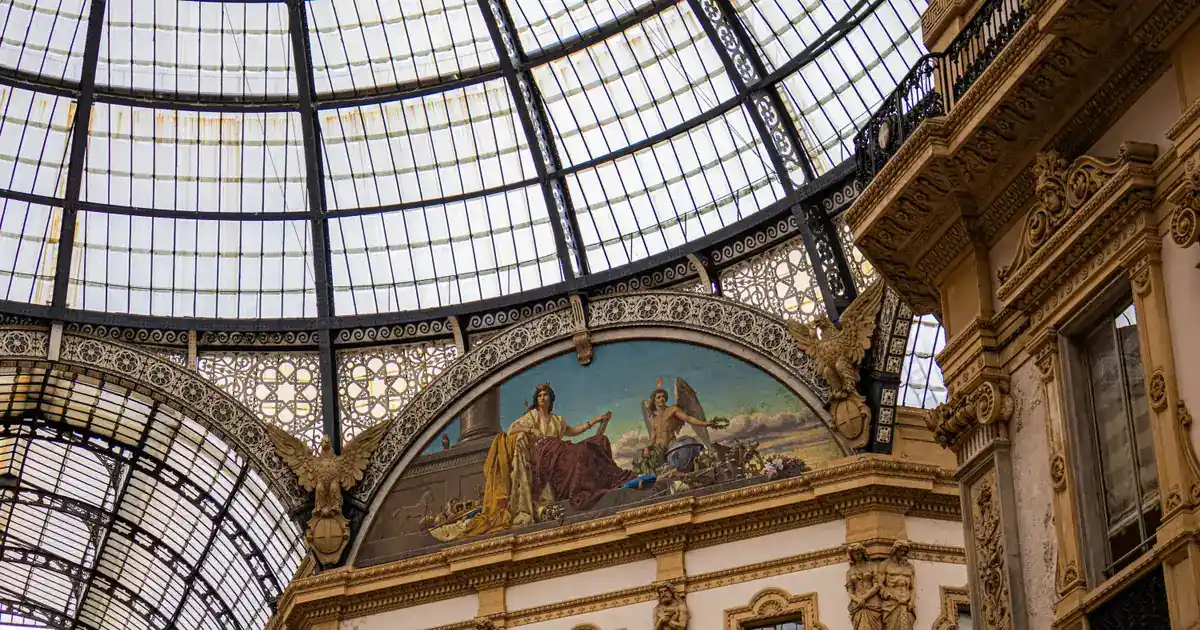
A free public building with a Tiffany glass dome, marble staircases, and mosaics. It works in any weather, it is quiet, and it is one of the best interiors in the city for portraits.
Pilsen and the neighbourhood murals
The murals around 16th Street give you colour and scale, and the neighbourhood streets are the part of the city that does not appear in the architecture photographs. Worth a session on its own.
The observation decks
The former Hancock building's observatory, or the Willis Tower's ledge. Bring a rubber lens hood, press it flush to the glass, and shoot at blue hour. The bar on the 96th floor of the Hancock costs the price of a drink instead of a ticket, and the view is the same.
The Bahá'í House of Worship, Wilmette
Forty minutes north on the L: a white filigree dome surrounded by gardens, unlike anything else near the city. Free, quiet, and beautiful in late afternoon light.
Practical notes
Public sidewalks are fine for handheld photography. Millennium Park, the parks system, and privately owned plazas have their own rules for professional shoots with equipment, and permits are required for anything that looks like a production.
The wind is not a joke on the lakefront or in the canyon streets. A tripod needs weight and a light stand needs a sandbag.
Winter is brutal and photogenic. Frozen lake edges, steam rising off the river, and low sun down the grid. Dress for it properly.
The grid runs true east to west, which means twice a year the sunset lines up straight down the cross streets. Worth planning for, and a reminder that the hour and the angle beat the location.
The locations on a map
- Chicago Riverwalk: blue hour, skyline from below
- DuSable Bridge: bridge corridor, both directions
- Cloud Gate, Millennium Park: sunrise or nothing
- North Avenue Beach: sunrise, classic skyline
- Adler Planetarium: sunset and blue hour
- Quincy L station: restored platform detail
- Chicago Cultural Center: free, all weather, Tiffany dome
- Pilsen murals, 16th Street: colour and scale
- 360 Chicago observatory: blue hour, shoot through glass
- Bahá'í House of Worship: late afternoon, forty minutes north
For the same lake-and-towers material with a different skyline, Toronto is the comparison, and its waterfront islands give you a view Chicago has no equivalent of.