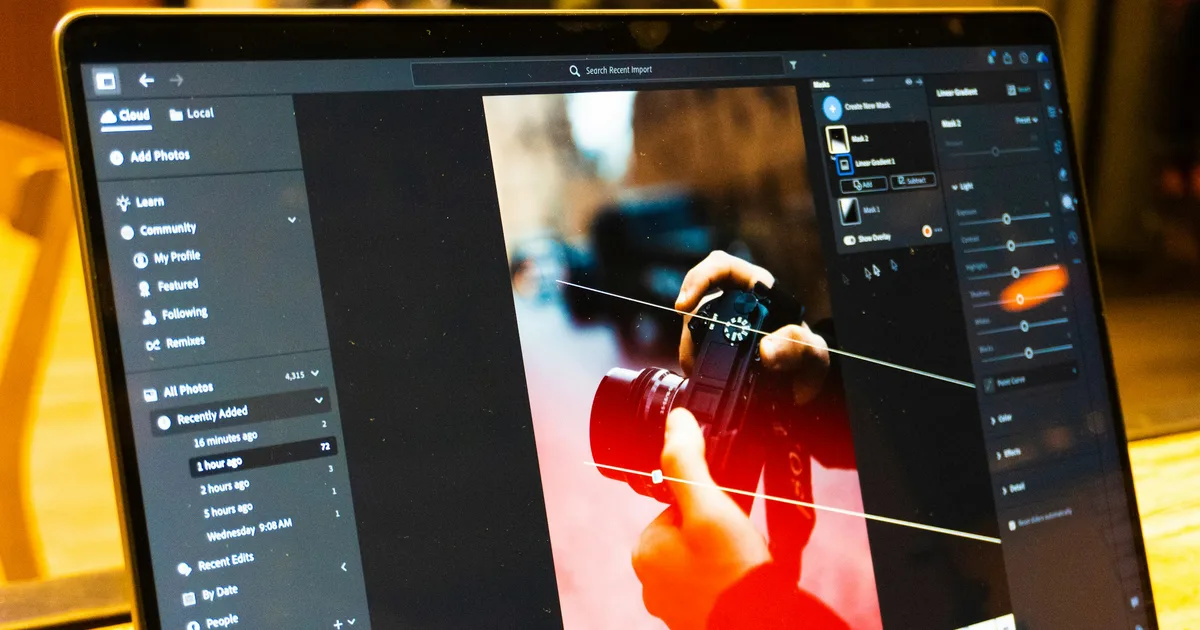
Shooting is the fun part. Culling is where the day quietly disappears. A thousand-frame wedding take can eat an entire evening before you have made a single edit, and the frustrating part is that most of that time is not spent choosing. It is spent deliberating, revisiting, and second-guessing choices you already made an hour ago.
Speed here is mostly habit, not talent, and habits are learnable. These five have saved the most time.
1. Make one pass, not five
The single biggest time sink is treating culling as a ranking problem. You go through rating one to five stars, then filter to threes and above, then compare the threes against each other, then start again because the ratings no longer mean what they meant at the beginning.
Go through the take exactly once and make a binary call on each frame: in or out. Not "maybe." A maybe pile is just a decision you have agreed to make twice, and it will be harder the second time because you will have lost the context of the moment you shot it in.
If a frame genuinely stops you for more than two seconds, reject it. The ones worth keeping announce themselves.
2. Cull to the story, not the pixels
Sharpness is cheap and moments are not. A slightly soft frame with real emotion in it beats a technically perfect one where nothing is happening, and no client has ever asked whether the focus landed on the front eyelash.
Pick for the story first, then quality-check the survivors. Zooming to 100% on every frame during the first pass is the most common way photographers turn a forty-minute job into a three-hour one. Save pixel-peeping for the shortlist, where it takes minutes instead of hours.
3. Use the whole keyboard
Learn the shortcuts for flag, reject, and next, and set your hand down so it never has to leave them. If you are reaching for the mouse on every frame you are paying a tax on every one of a thousand images, and it compounds.
Two settings are worth finding in whatever software you use: turn off the animation or transition between images, and make sure you are reviewing embedded previews rather than forcing a full raw render for each frame. Waiting half a second per photo for a render sounds trivial and costs you eight minutes per thousand frames, plus the concentration you lose every time you wait.
4. Kill the near-duplicates early
When you shot six frames of the same pose, choose one and reject the other five immediately, while you still remember which moment you were actually reaching for. Duplicates are where indecision compounds: the longer you keep all six, the more times you will look at them, and the harder the choice gets as they blur together.
The useful mental trick is to ask which frame you would defend if the client asked why you picked it. If none of them, the whole cluster goes.
5. Deliver the tight set
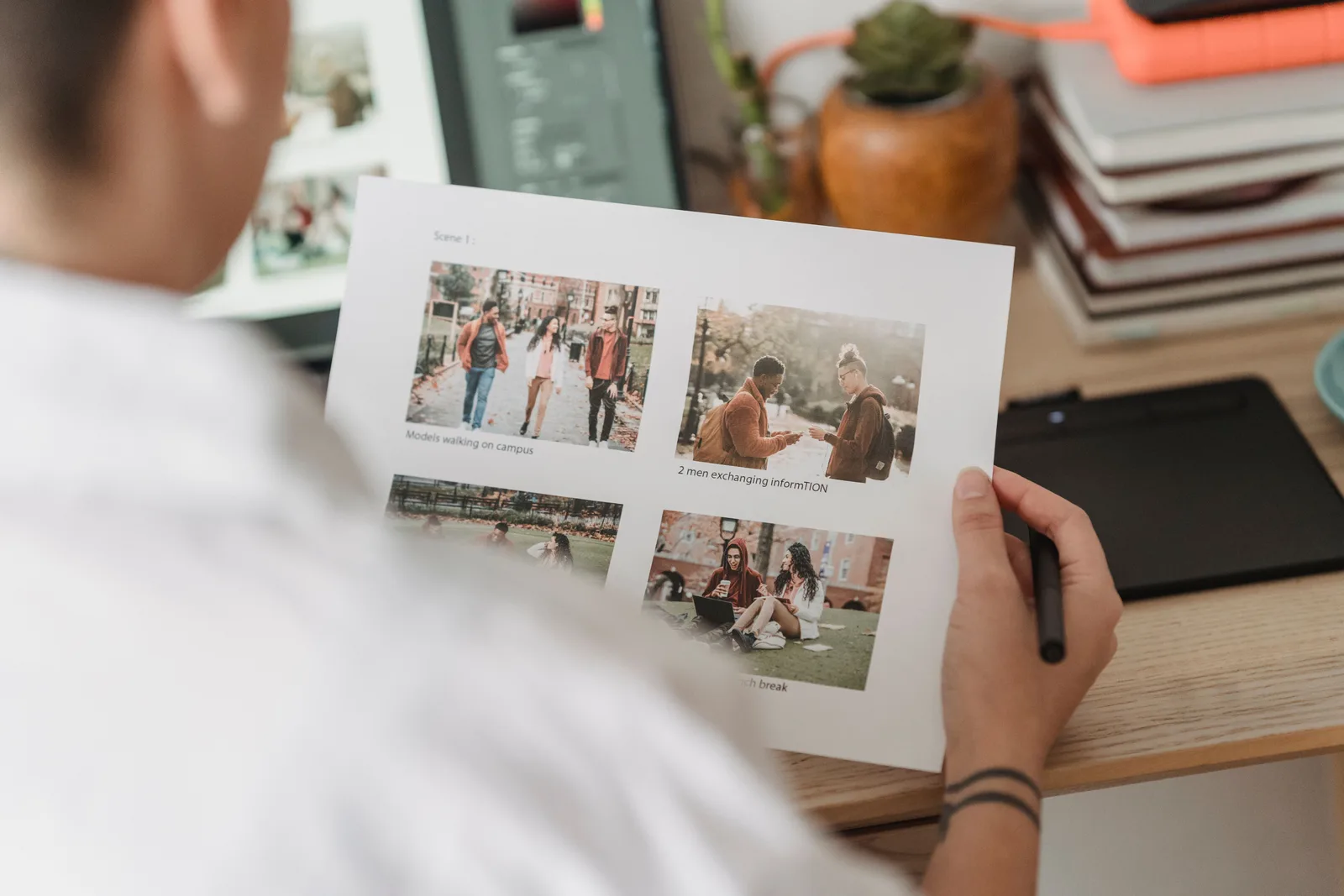
The last habit is the one that pays off everywhere else. Clients do not want every frame, they want your eye. A confident forty beats a hedged two hundred, and the tight set makes every downstream step faster: fewer files to edit, fewer to export, a gallery that loads quickly, and a client who finds your best work instead of scrolling past it.
It also protects the decisions you just made. Padding a gallery with the safety shots you rejected an hour ago quietly undoes the entire cull, and it is worth making sure nothing in your delivery workflow, like a plan that caps image counts and tempts you to pick by number rather than by judgement, pushes you back the other way.
Speed here is also what keeps your quoted turnaround honest, and clients notice that more than they notice the edit. It is worth knowing what they are actually expecting while they wait, because the gap between four weeks and seven is where the anxious emails start.
Culling well is really just deciding quickly and trusting the decision. The speed comes from the trust, not the shortcuts. Do it enough times with a genuine one-pass discipline and the thousand-frame take stops being a wall you have to climb after every shoot.
Software helps at the margins once the habits are in place. A fast browser or an AI first pass will strip out the closed eyes and the near-duplicates, and the wider set of AI editing tools can take the base pass on a gallery, but neither of them knows which frame tells the story. That decision stays yours, and it is the one that takes the time.