Book maternity sessions between 30 and 36 weeks. Earlier and the bump does not read clearly in photographs. Later and you are asking someone who cannot breathe comfortably to stand in a field for an hour, with a real chance of the baby arriving before the shoot.
Everything else about maternity photography follows from that one constraint: your client is tired, warm, and probably self conscious, and the session has to be built around that rather than around your ideas.
Keep it to 45 minutes
Plan a shorter session than you would for a standard portrait. Forty five minutes of shooting, an hour on site including changes.
Structure it so the hardest work happens first: standing poses and anything involving walking in the first twenty minutes, seated and supported poses after, and finish with whatever is easiest. Someone at 34 weeks gets less comfortable as the hour goes on, not more.
Have somewhere to sit at every location, and check where the nearest toilet is before you start. Both of those sound trivial and both decide how the session feels.
Posing that actually flatters
The core principles are simple and they solve most frames.
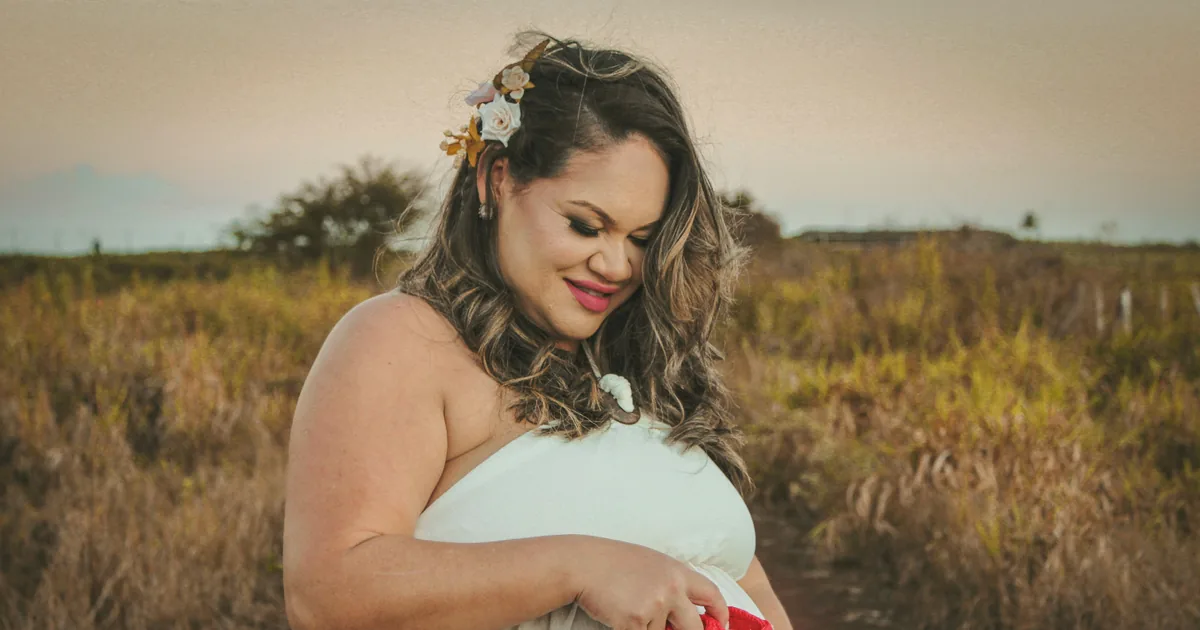
Angle the body, do not shoot square on. A three quarter turn towards the light gives the bump a defined edge instead of a flat shape. Square to the camera makes everyone look wider, including the parts your client is not trying to celebrate.
Hands frame the bump, they do not squeeze it. One hand under, one hand on the upper side, relaxed fingers. Hands flat and pressed look tense and change the shape.
Shift weight onto the back foot and bring the front knee slightly forward. It lengthens the line and stops the hips locking.
Chin forward and slightly down. This is the one that fixes most portraits of anyone, and it matters more when someone is carrying weight they are not used to.
Long sleeves and a defined waistline photograph better than loose fabric, because a shapeless dress on a bump reads as a shapeless dress.
For couples, put the partner behind with a hand on the bump and the other on her shoulder or waist, both looking down or at each other rather than at the camera. Foreheads together is the reliable frame in this genre for a reason.
Light it softly
Backlight is your default. Sun behind, exposing for the face, gives a rim of light around the bump and hair and hides the harsh edges that low sun creates on skin.
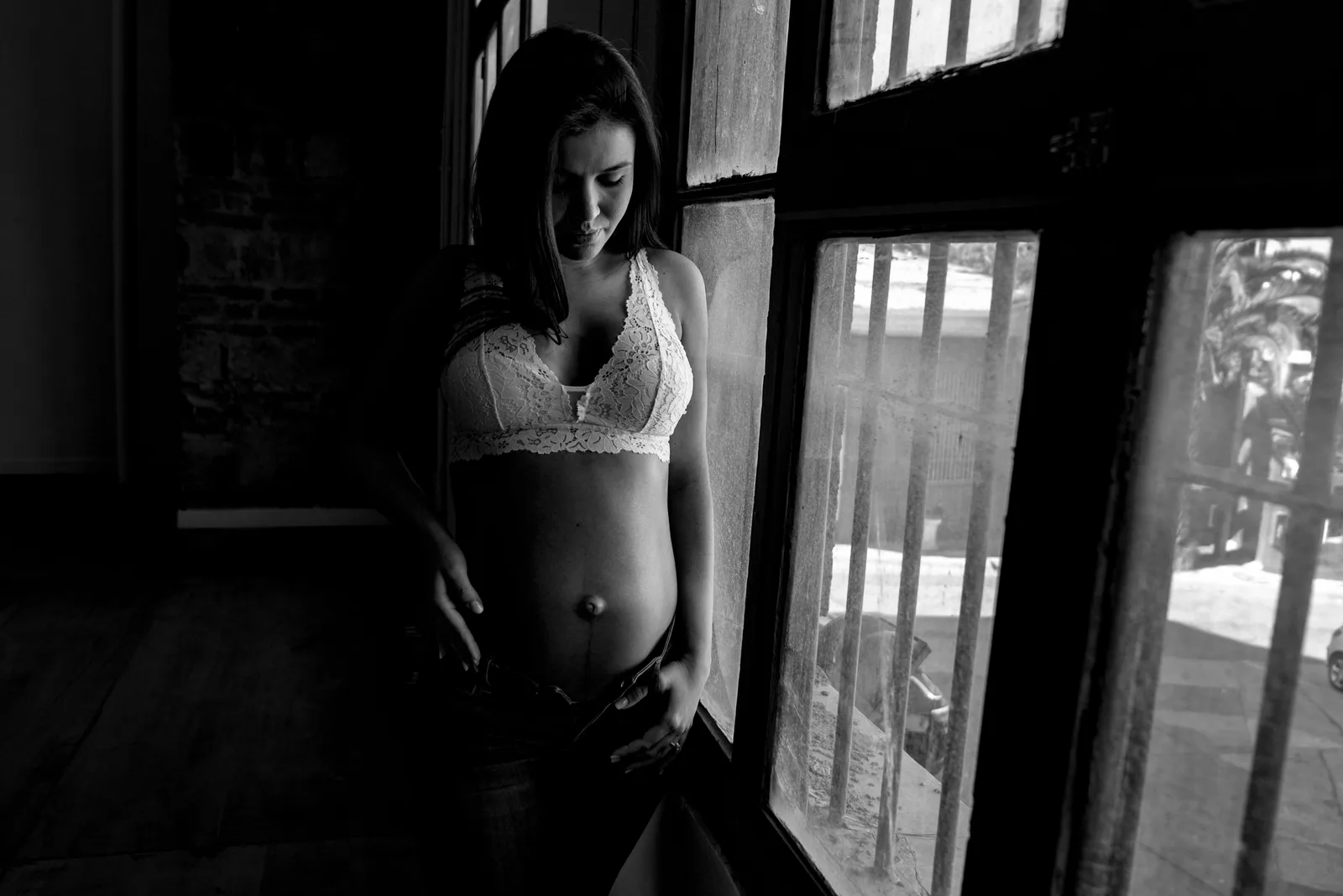
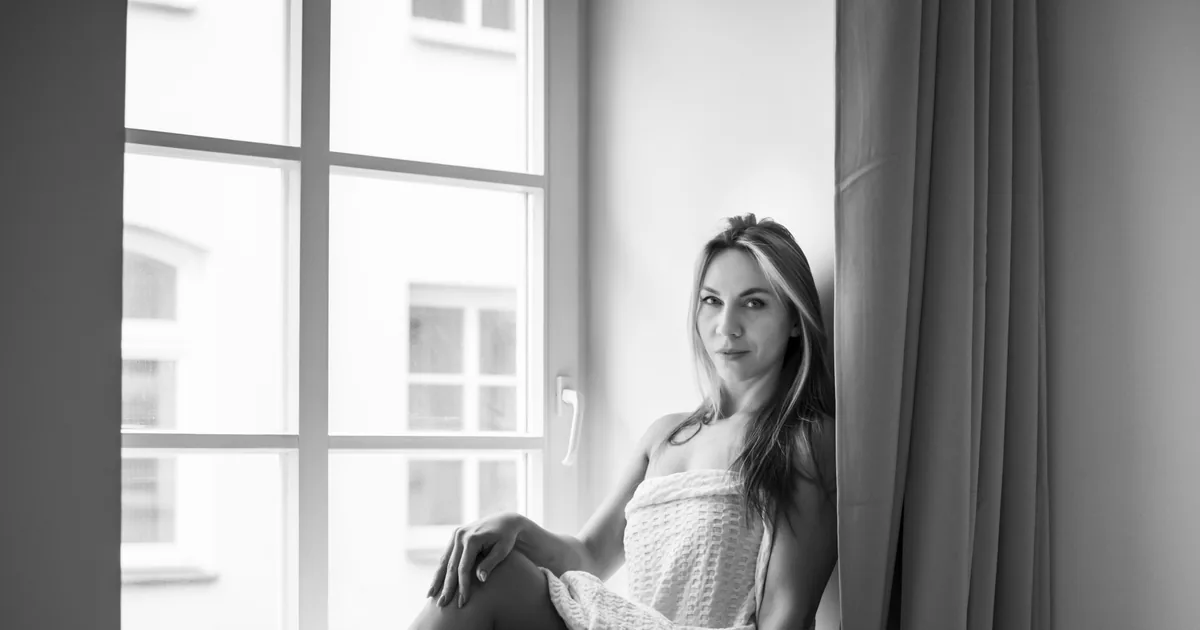
If you are indoors, one large window with the client turned into it does everything. Avoid overhead room lights entirely, since a downward source emphasises exactly the shadows you are trying to soften.
The hour before sunset is the standard slot for outdoor maternity work, and for the usual reasons, though if your client is exhausted by evening a morning session with open shade is a better trade.
What to tell them to wear
Send this at booking, not the week before:
- A fitted dress in a solid colour, with a defined waistline above the bump.
- Long floaty sleeves or a wrap for movement and for anyone self conscious about their arms.
- Nothing with a busy pattern, which competes with the shape you are trying to show.
- Comfortable shoes for arriving, nice ones for the photographs.
- Two outfits maximum, and only if there is somewhere reasonable to change.
Client wardrobes rarely contain a maternity dress that photographs well at 33 weeks, and many photographers keep a small collection of dresses in a few sizes for this reason. If you do, say so at booking, because it removes the single most stressful part of the preparation.
Include the people who will be in the photographs later
Partners and older siblings belong in part of the session. Older children get about fifteen minutes of genuine cooperation, so shoot them first and let them run afterwards.
The frames that families actually print are usually the ones with everybody in them rather than the solo silhouette. Get both.
The practical safety points
Nobody should be lying flat on their back for extended periods late in pregnancy, which rules out several poses that look fine on a mood board. Propped at an angle is fine, flat is not.
Avoid anything requiring balance on uneven ground, steps without a handrail, or climbing. And build in breaks without making a thing of it: change lenses, ask about names, offer water.
Ask at booking whether there are any complications or restrictions you should plan around, in the same neutral way you would ask about mobility for any other session. Some clients are on activity restrictions and would rather not have to raise it themselves.
Have a plan for early arrivals
Babies come early. Build it into your booking terms: if the baby arrives before the maternity session, the retainer moves to the newborn session rather than being lost. It costs you nothing, it removes a real anxiety for the client, and it is a far better conversation than an argument about a cancellation policy with someone who has just given birth.
While you are there, book the newborn session at the same time, provisionally, for around days five to twelve. Maternity clients become newborn clients almost automatically if you make it easy, and newborn work has its own set of rules worth being ready for.
Delivering it
Turn these around quickly. A pregnant client waiting six weeks may well have a baby before she sees the photographs, and the moment has moved on.
Deliver a tight edit, include a few in black and white, and make sure at least one is a clean vertical that works as a print and an announcement. That single frame is the one the family keeps, and the rest of the gallery exists to support it.