In person sales (IPS) means you charge a modest session fee, usually $150 to $300 (£100 to £250), that covers the shoot and nothing else. A week or two later the client comes back for a viewing and ordering appointment of 45 to 90 minutes, sees the images on a screen or projected at size, and buys prints, wall art, albums and digital files from a price list. IPS studios and the coaches who teach the method commonly quote averages of $1,000 to $3,000 a client (£800 to £2,500), against a few hundred for the same sessions delivered as a shoot and share gallery. Treat those as figures from people selling the method, not a survey.
That is the honest case for it. The honest case against: every client costs you an extra appointment, a planning call before the shoot, sample products on the wall and the ability to sell face to face. For some genres and some photographers that trade is excellent. For others an online gallery that sells prints does most of the job with none of the appointments.
How does an in person sales session actually work?
There are three conversations, not one.
- The planning call before the shoot. You ask where the photos will hang, measure the wall or ask for a phone photo of it, and show sample sizes. A client who has already pictured a 30 x 40 inch canvas over the sofa orders one. This call does more for the sale than the viewing does.
- The shoot. Composed with the finished product in mind: a wide frame for the wall, a sequence for an album, a vertical for the hallway.
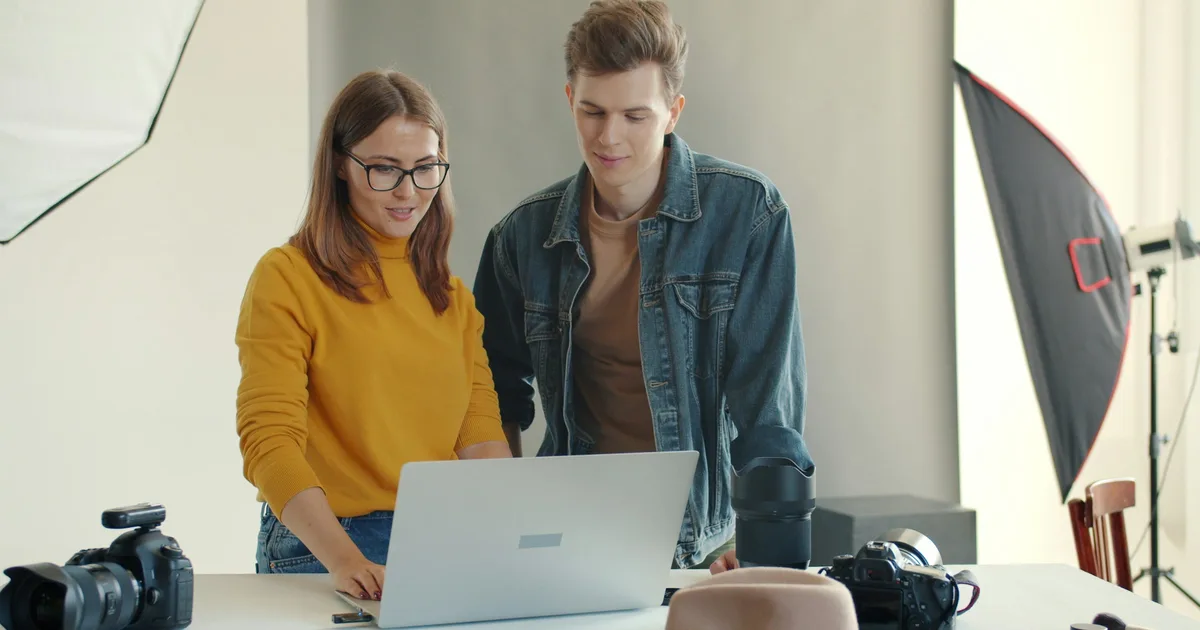
- The viewing. Images shown in a slideshow first, then narrowed to favourites, then placed on a photo of their wall at true scale. The client orders and pays on the day.
Some photographers do the viewing the same day as the shoot, straight from a light edit. It cuts a visit and catches the client while the session is fresh, but you sell from images that are not fully retouched, so say so.
What does a typical IPS order look like?
Most IPS price lists are built so the obvious choice is a collection, not single items. A common structure for a family or newborn studio:
- Single wall piece (canvas or framed print, 20 x 30 inches): $400 to $900, £300 to £700.
- Wall gallery of three: $1,200 to $2,500.
- Album (10 x 10 inch, 20 spreads): $800 to $1,800, with the digital files often included at that level.
- Digital files alone: priced high, often $1,000 to $2,000 for the full set, so a product collection looks like better value.
Many studios also set a minimum order, typically $500 to $1,000, disclosed before the booking. That one line removes the client who books a $150 session expecting the files to be included.
For setting the individual print prices, the print pricing guide goes through lab cost and markup for each product.
What are the downsides of in person sales?
The time. A planning call, a viewing and the ordering and delivery afterwards add three to five hours per client on top of the shoot and edit. At a $1,500 average that is well paid. At $500 it is not.
Then the setup costs: sample canvases, a framed print or two, album samples and a projector or large screen, usually $1,000 to $3,000 before the first sale. A viewing room helps, though many photographers run viewings in the client's home with a laptop and a tablet.
And the sell itself. IPS rewards photographers who are comfortable naming a price to someone's face and staying quiet after. If that makes you miserable, it will show in the appointment, and the averages above will not be yours.
Clients notice too. Some arrive having read reviews that called the viewing pushy. Clear pricing before booking is the protection: a published minimum, a price guide sent with the confirmation, and no surprise at the appointment.
Which photography genres suit IPS best?
IPS works where the product is the point and the client wants something physical: newborn, family, senior portraits, boudoir, pet portraits and some maternity work. These clients buy for a wall or an album, buy once a year at most, and are deciding with you, not with a group chat.
It works badly for weddings beyond the album (couples expect the gallery online), for events, for headshots and for anything commercial, where the client wants files and a licence. Large family groups who need ten households to choose their own prints are also easier online.
Where do online gallery sales fit?
Online sales are the default for most photographers now, and they are not a second-best option if you set them up properly. The difference from IPS is that the gallery has to do the selling you would do in the room:
- Prints are visible and priced inside the gallery, not on a separate shop page.
- The gallery opens with the strongest images, so the first screen sells wall art.
- There is a reason to buy now: an early order discount or a coupon that expires two weeks after delivery.
- Relatives can buy, because grandparents order prints when they can see the gallery too.
Online orders run smaller per client but cost you almost no extra time, and they reach people who would never come to a viewing. The guide to galleries that sell prints covers the layout and timing in more detail.
Can you combine in person and online sales?
Yes, and many studios do. The common hybrid: run IPS for the main client, then open the online gallery afterwards for the extended family and anyone who wants small prints, with the main client's wall art already sold. Another works the other way round, online first, with an optional design consultation for clients who want a wall piece or album.
Whichever model you run, be clear about what the client owns. If digital files are included, a print release tells them where they can print them. If you want the prints to come from your lab, price them so that is the easy choice. The quality gap is real, and the guide to choosing a lab covers what to test before you sell anything.
For the online side, a client gallery that sells prints, canvas and albums at your own prices, with each order reviewed by you before it goes to the lab, covers the families who will never book an appointment.
If you have never tried IPS, run it with your next five portrait clients before committing: one planning call, one viewing, one printed price list, and record the order and the hours each took. Compare that with your last five online galleries.